Local Drum Circle Guide: Find Your Rhythm and Community
Discover the transformative power of rhythmic community and learn how to find or join a local drum circle that fits your style and experience level.
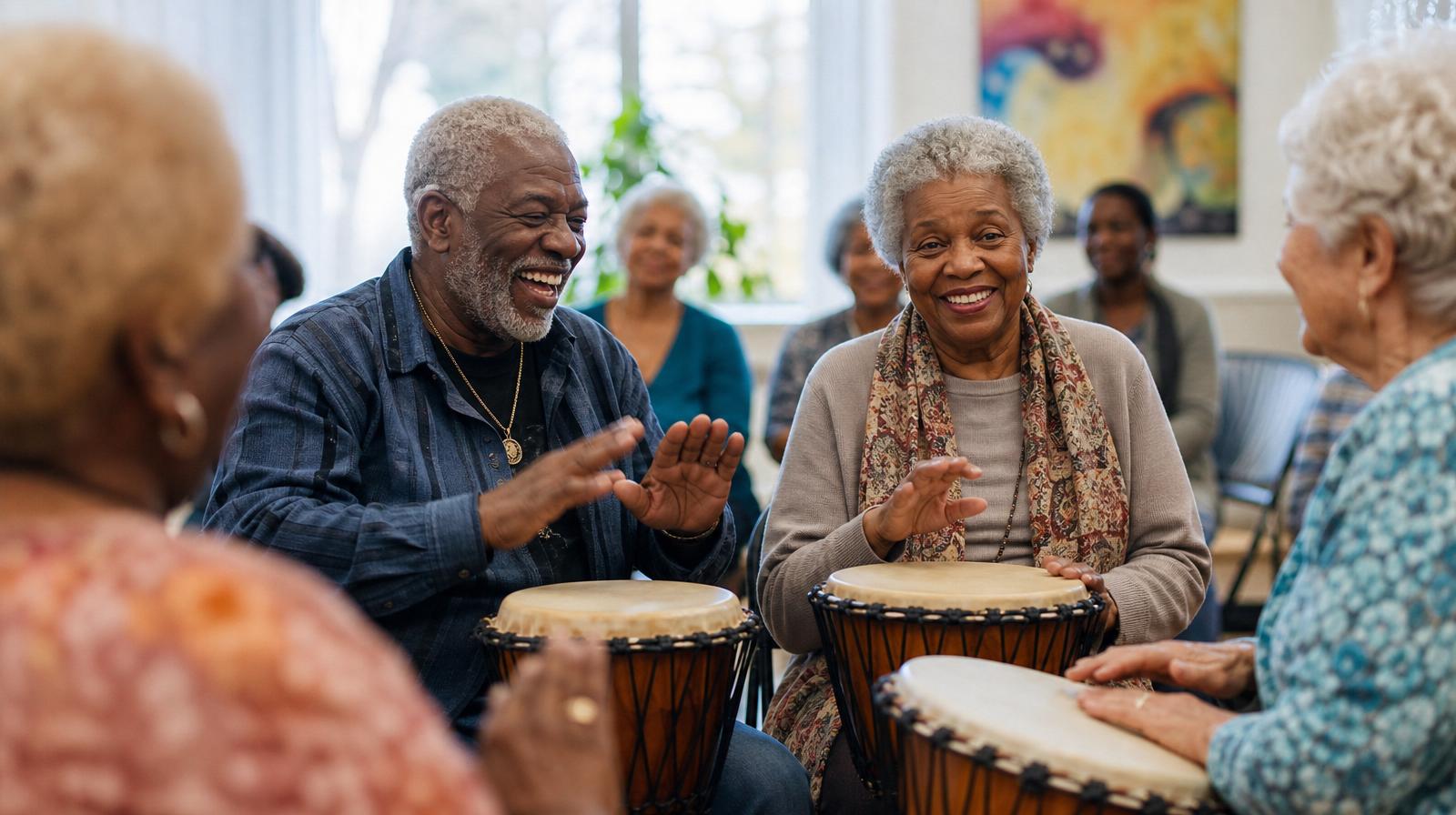
There is something primal and deeply restorative about the sound of a drum. When that sound is multiplied by twenty, fifty, or even a hundred people, it becomes a collective heartbeat. If you have ever felt a pull toward the rhythmic pulse of a djembe or the deep resonance of a dunun, you are likely looking for a local drum circle.
Finding a local drum circle is about more than just playing an instrument; it is about finding a community. Whether you are a seasoned percussionist or someone who has never touched a drumhead, the circle is a place where every voice—and every beat—matters.
What Exactly is a Local Drum Circle?
A drum circle is a gathering of people who come together to play hand-drums and percussion instruments in a group setting. Unlike a band or an orchestra, there is often no sheet music and no audience. The participants are the performers, and the music is created in the moment through improvisation.
While some circles are led by a professional facilitator who guides the energy and tempo, others are "organic" or "anarchic," where the rhythm evolves naturally. You might see a variety of instruments including:
- Djembes: West African goblet drums known for their sharp slaps and deep bass.
- Congas and Bongos: Afro-Cuban staples that provide melodic richness.
- Doumbeks: Goblet-shaped drums from the Middle East with crisp, metallic tones.
- Frame Drums: Ancient drums played with the fingers, often used in spiritual or meditative circles.
- Percussion: Shakers, cowbells, woodblocks, and tambourines that add texture to the groove.
The Benefits of Joining a Local Drumming Community
Beyond the joy of making music, joining a local drum circle offers significant mental and physical health benefits. Research has shown that group drumming can reduce stress, boost the immune system, and even help manage chronic pain.
In a world that is increasingly digital and isolated, the drum circle offers a tactile, face-to-face connection. It is a space where social barriers dissolve. In the circle, it doesn't matter what your job is or where you come from; what matters is the shared pulse. Many people find that attending local events regularly provides a sense of belonging that is hard to find elsewhere.
How to Find a Local Drum Circle Near You
If you are ready to start your journey, the first step is knowing where to look. Drum circles happen in a variety of venues, each offering a different vibe:
- Public Parks and Beaches: Many cities host informal full-moon drum circles or Sunday afternoon gatherings. These are usually free and open to everyone.
- Community Centers and Churches: These venues often host facilitated circles that are family-friendly and structured for beginners.
- Music Stores and Studios: Local drum schools frequently organize student circles to help players practice their skills in a group setting.
- Wellness Centers: Some circles focus on the therapeutic aspects of rhythm, often incorporating meditation or sound healing.
The easiest way to navigate these options is to use a dedicated directory. You can browse our comprehensive list of local drum circles to find a group that matches your location and interest level.
Drum Circle Etiquette for Beginners
Walking into your first circle can feel intimidating, but remember that the drumming community is notoriously welcoming. Following a few simple guidelines—often called "drum circle etiquette"—will help you feel like a pro from the start.
- Listen First: Before you start playing, listen to the established rhythm for a minute. Try to find the "heartbeat" or the foundational pulse before adding your own flair.
- Respect the Facilitator: If there is a leader in the center, pay attention to their signals. They may use hand gestures to indicate a volume change, a stop, or a "call-and-response" section.
- Ask Before Borrowing: Most drummers are happy to let you try their instruments, but always ask first. Some drums are delicate or have deep personal significance to the owner.
- Leave Space: You don't have to play every single beat. Sometimes the most powerful thing you can do is leave a little silence so the rhythm can breathe.
- Support the Groove: If the circle is playing a steady 4/4 beat, try to support it rather than playing a solo that distracts from the collective sound.
Improving Your Skills: Teachers and Retreats
While many people enjoy the casual nature of a local drum circle, you might find yourself wanting to dive deeper into the technique of specific instruments. Learning the proper way to hit a djembe (bass, tone, and slap) will not only make you sound better but will also protect your hands from injury.
Consider reaching out to drum teachers in your area for one-on-one lessons. If you want a more immersive experience, look into drumming retreats. These retreats often take place in beautiful natural settings and offer intensive workshops that can transform your playing in just a few days.
What to Bring to Your First Circle
You don't necessarily need a drum to attend your first local drum circle. Many facilitators bring a "community bag" filled with extra shakers and drums for newcomers to use. However, if you want to bring your own, a small djembe or a simple frame drum is a great starting point.
Don't forget the essentials: a comfortable folding chair (if the venue doesn't provide seating), plenty of water, and perhaps some ear protection if you have sensitive hearing. Most importantly, bring an open mind and a willingness to play.
Conclusion: Your Seat is Waiting
The rhythm is already inside you—it’s in your heartbeat and your stride. A local drum circle is simply a place to let that rhythm out and share it with others. Whether you are looking for healing, musical growth, or just a fun way to spend a Saturday night, the circle has a place for you.
Find a drum circle near you and start your rhythmic journey today.
Frequently asked
- Do I need to be a musician to join a local drum circle?
- Not at all! Most community drum circles are designed for all skill levels, including absolute beginners. The focus is on participation and community rather than musical perfection.
- What should I do if I don't own a drum?
- Many circles provide extra instruments for newcomers to borrow. You can also start with a small hand-held percussion instrument like a shaker or cowbell, which are inexpensive and easy to carry.
- Are drum circles kid-friendly?
- Most public and community-centered drum circles are very family-friendly. It is always a good idea to check the specific event description on the Drum Circle Directory to ensure it is appropriate for children.
Find a drum circle near you
Browse hundreds of circles, teachers and rhythm community gatherings.
Explore drum circles