Local Drum Circles: Finding Your Rhythm and Community
Discover the transformative power of rhythm and learn how to find the perfect local drum circle for your skill level and musical interests.
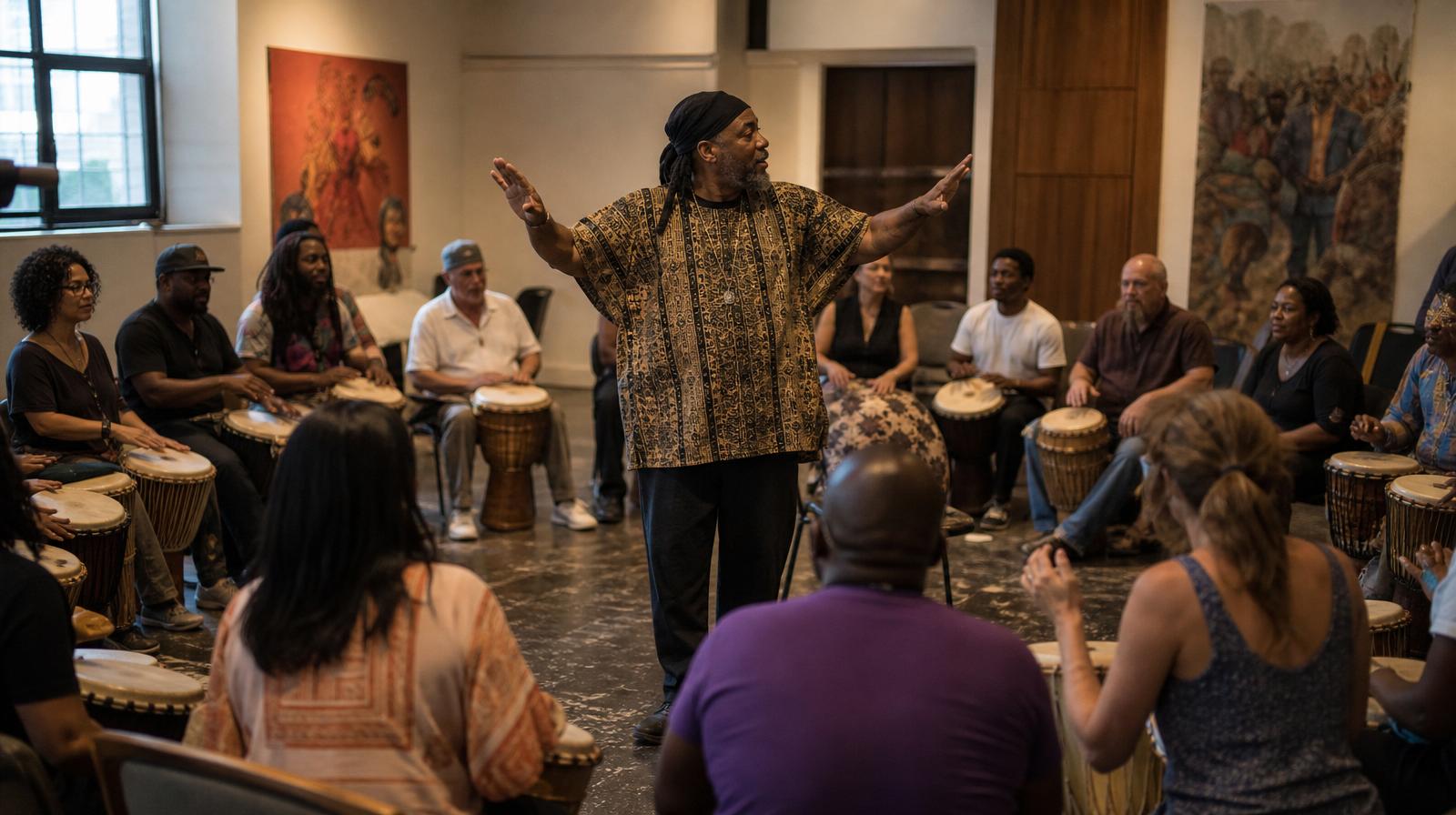
There is a primal magic that happens when a group of people gathers in a circle to play hand drums. The air thickens with sound, the heartbeat of the group synchronizes, and for a few hours, the stresses of modern life fade into the background. Whether you are a seasoned percussionist or someone who has never touched a djembe, local drum circles offer a unique space for connection, expression, and healing.
Finding a community to drum with is one of the most rewarding steps you can take in your musical journey. In this guide, we will explore what to expect at a circle, the types of instruments you might see, and how to locate the best gatherings in your area.
What Exactly is a Drum Circle?
At its core, a drum circle is a group of people playing hand-percussion instruments together. Unlike a band or an orchestra, there is often no sheet music and, in many cases, no formal rehearsal. The music is created in the moment, born from the collective energy of the participants.
Local drum circles generally fall into two categories:
- Facilitated Drum Circles: A trained facilitator leads the group, using signals and games to guide the rhythm, dynamics, and tempo. These are excellent for beginners because the facilitator ensures the music stays cohesive.
- Community/Improvisational Circles: These are more organic and free-form. The rhythm starts with one person and others layer their beats on top. These often happen at parks, beaches, or community centers.
Essential Instruments You Will Encounter
When you walk into a local drum circle, you will see a beautiful variety of instruments from around the world. Understanding these can help you decide what you might want to play.
- The Djembe: This goblet-shaped drum from West Africa is the most popular instrument in modern circles. It offers three distinct sounds: the deep bass, the mid-range tone, and the high-pitched slap.
- Congas and Bongos: Afro-Cuban staples that provide melodic, driving rhythms.
- The Doumbek: A goblet drum from the Middle East, often played with the fingers for intricate, snapping sounds.
- Frame Drums: Large, shallow drums like the Irish Bodhrán or the Native American hoop drum, often played with a mallet or hand.
- Dunun: Large cylindrical drums from West Africa that are played with sticks, providing the "heartbeat" or melody line of the rhythm.
- Small Percussion: Don't forget the shakers, cowbells, woodblocks, and tambourines. These "toys" are the glue that holds the rhythm together.
If you are still learning the basics of these instruments, connecting with drum teachers can help you find your voice before joining a large group.
How to Find Local Drum Circles Near You
Finding a group is easier than it used to be, but it still requires a bit of local detective work. Most circles are hosted in public spaces or community hubs.
- Public Parks and Beaches: Many cities have long-standing traditions of full-moon drum circles or Sunday afternoon gatherings in the park.
- Community Centers and Churches: These venues often host indoor circles, which are great for year-round playing.
- Music Stores and Schools: Local drum schools frequently organize student circles to help players practice in a group setting.
- Online Directories: The most reliable way to find a vetted group is to search the drum circles listings here on Drum Circle Directory, where you can filter by location and type of event.
Drum Circle Etiquette for Beginners
If it is your first time attending a local drum circle, you might feel a bit nervous. Following a few simple rules of etiquette will help you feel like a pro in no time.
- Listen First: Before you start playing, listen to the established rhythm for a minute. Try to find the "pulse" and enter softly.
- Support the Beat: You don't need to play a complex solo. Often, the best thing you can do is hold down a steady, simple beat that supports the rest of the group.
- Leave Space: Music is made of sound and silence. You don't have to play every single second. Leaving "holes" in the rhythm allows other instruments to be heard.
- Ask Before Borrowing: Never pick up someone else's drum without asking. Many drummers treat their instruments as sacred objects.
- Follow the Facilitator: If there is a facilitator, watch them for cues to stop, start, or change volume.
The Health and Wellness Benefits of Group Drumming
Beyond the fun of making music, local drum circles offer significant health benefits. Research has shown that group drumming can reduce stress, lower blood pressure, and boost the immune system. The act of drumming releases endorphins and promotes a sense of "alpha state" relaxation.
For many, these circles are a form of "rhythm therapy." They provide a safe space to release emotions and connect with others without the need for words. This is why you will often find drumming as a core component of drumming retreats focused on wellness and personal growth.
Preparing for Your First Circle
What should you bring? If you have a drum, bring it! If not, don't worry—many community circles have "loaner" instruments available for newcomers. It is always a good idea to bring a comfortable chair (like a camp chair), plenty of water, and perhaps some ear protection if you have sensitive hearing.
Check local events listings before you go to see if there is a specific theme, such as a family-friendly circle or a traditional West African rhythm workshop.
Conclusion: Join the Global Beat
Local drum circles are more than just musical gatherings; they are vibrant hubs of community and culture. They remind us that we are all connected by the same universal pulse. Whether you want to master the djembe or just want to shake a maraca under the full moon, there is a place for you in the circle.
Find a drum circle near you at /drum-circles.
Frequently asked
- Do I need to own a drum to join a local drum circle?
- Not necessarily. Many facilitated and community drum circles provide extra instruments like shakers or djembes for newcomers. It is always best to check the event description or contact the organizer beforehand to see if loaners are available.
- Are drum circles kid-friendly?
- Most community drum circles are very family-friendly and welcome children of all ages. However, some indoor or meditative circles might have age restrictions. Look for 'all-ages' or 'family' in the event title to be sure.
- What is the difference between a drum circle and a jam session?
- A jam session is usually focused on musicians playing songs with a specific structure, often involving melodic instruments like guitars. A drum circle is centered entirely on percussion and rhythm, prioritizing group participation and improvisation over performance.
Find a drum circle near you
Browse hundreds of circles, teachers and rhythm community gatherings.
Explore drum circles