Meditation Drum Circle: Finding Inner Peace Through Rhythm
Discover how a meditation drum circle combines communal rhythm with mindfulness to reduce stress and foster deep spiritual connection.
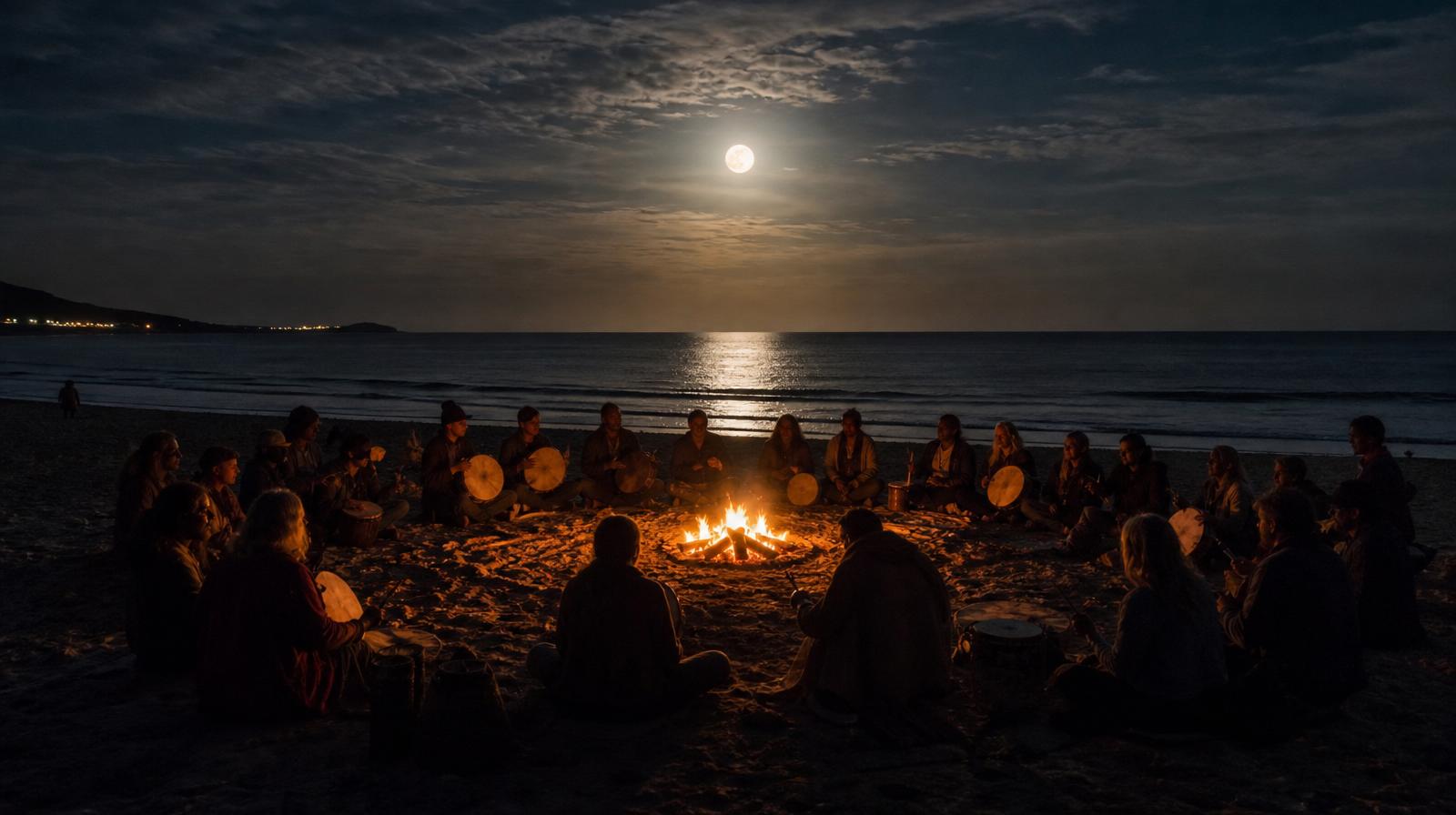
In a world that rarely stops moving, the rhythmic pulse of a meditation drum circle offers a rare sanctuary. Unlike high-energy community jams where the goal might be dancing or complex syncopation, a meditation-focused circle prioritizes the internal experience. It is a practice of sound healing, using the steady beat of the djembe or the ethereal hum of a frame drum to anchor the mind in the present moment.
Whether you are a seasoned percussionist or someone who has never touched a drum, participating in a meditative rhythm gathering can be a transformative experience. It is not about technical prowess; it is about the collective heartbeat.
What is a Meditation Drum Circle?
A meditation drum circle is a facilitated or organic gathering where rhythm is used as a vehicle for mindfulness. While traditional drum circles might focus on celebration or performance, these sessions emphasize relaxation, stress reduction, and spiritual alignment. The music usually begins slowly, often mirroring a resting heart rate, and maintains a steady, hypnotic tempo that allows participants to enter a trance-like state.
In these circles, the space is often held by a facilitator who guides the energy of the room. They might incorporate periods of silence, guided visualization, or deep breathing exercises between rhythmic segments. The goal is to move from the 'head' (thinking about the beat) to the 'heart' (feeling the vibration).
The Healing Power of the Beat
Science has long supported what indigenous cultures have known for millennia: repetitive drumming changes brain chemistry. Research suggests that drumming can increase alpha brain waves, which are associated with relaxation and creative flow. In the context of a meditation drum circle, this effect is amplified by the group dynamic.
When a group of people drums together with a shared intention of peace, a phenomenon called entrainment occurs. This is when the internal rhythms of the body—such as heart rate and breathing—synchronize with the external beat. This synchronization reduces cortisol levels and triggers the release of endorphins, making it a powerful tool for those struggling with anxiety or burnout.
Essential Instruments for Meditative Drumming
While any drum can be used, certain instruments are favored in meditative settings for their sustain, tone, and ease of play:
- Frame Drums: Many practitioners prefer the frame drum for its ancient connection to spiritual ritual. Its overtones are soothing and ideal for long, steady strokes.
- Djembe: When played softly with the palms, the djembe provides a grounding bass note that acts as the 'heartbeat' of the circle.
- Buffalo Drums: Often used in shamanic-style meditation, these produce a deep, resonant tone that vibrates through the chest cavity.
- Tongue Drums and Handpans: These melodic percussion instruments add a celestial, ethereal layer to the rhythmic foundation.
- Dunun: These large cylindrical drums provide a stable, deep anchor that keeps the group unified.
If you are looking to master these specific instruments, connecting with drum teachers who specialize in therapeutic techniques can help you develop a more nuanced touch.
What to Expect at Your First Session
If you are attending your first meditation drum circle, you might feel a bit of 'rhythm anxiety.' Rest assured, these spaces are designed to be inclusive and non-judgmental. Most sessions follow a similar flow:
- Opening and Grounding: The facilitator may lead a brief breathing exercise or set an intention for the night.
- The Gentle Start: The drumming usually begins with a soft, steady pulse. You don't need to play anything complex; a simple 'one-two' beat is often perfect.
- The Rhythmic Journey: The volume and intensity may rise and fall like waves. You might find yourself closing your eyes and losing track of time.
- The Silence: One of the most profound parts of a meditation circle is the 'thunderous silence' that follows the final beat. This is where the deepest integration happens.
Etiquette for a Mindful Circle
To maintain the sacred atmosphere of a meditation drum circle, there are a few unspoken rules to follow:
- Listen More Than You Play: The key to a meditative state is sensitivity to the group volume. If you can't hear the person next to you, you might be playing too loudly.
- Support the Pulse: Avoid playing flashy solos or complex off-beats that might distract others from their meditative state.
- Respect the Silence: When the drumming stops, try to remain still and silent to allow the vibrations to settle.
- Ask Before Borrowing: If you didn't bring your own instrument, always ask before picking up a drum provided by the host.
For those looking to deepen their practice beyond a local evening session, exploring drumming retreats can offer a multi-day immersion into these healing rhythms.
Finding Your Rhythm Community
Meditation drum circles are popping up in yoga studios, community centers, and even hospital wellness programs. They are often listed as 'Sound Baths,' 'Rhythm Meditations,' or 'Healing Circles.' If you cannot find one in your immediate area, consider looking into drum schools that may offer workshops on the therapeutic application of hand drums.
Participating in these events is a wonderful way to meet like-minded individuals who value wellness and community. Whether it is a full-moon gathering on a beach or a quiet indoor session during the winter months, the connection formed through shared rhythm is profound.
Find a drum circle near you and start your journey into the healing power of the beat today.
Frequently asked
- Do I need to be a musician to join a meditation drum circle?
- Not at all. Meditation drum circles are focused on the internal experience and mindfulness rather than musical performance. If you can tap your foot to a beat, you have all the skill necessary to participate and benefit from the practice.
- What should I bring to a rhythmic meditation event?
- Most people bring their own drum (like a djembe or frame drum), a comfortable cushion or stool, and a bottle of water. However, many facilitators provide extra instruments, so it is always worth checking the event description beforehand.
- How does drumming help with meditation?
- Drumming acts as an 'anchor' for the mind. Much like a mantra or the breath, the repetitive sound of the drum gives the brain a focal point, making it easier to quiet 'monkey mind' chatter and enter a state of deep relaxation.
Find a drum circle near you
Browse hundreds of circles, teachers and rhythm community gatherings.
Explore drum circles