The Healing Beat: A Guide to the Music Therapy Drum Circle
Discover how rhythm transforms lives through music therapy drum circles, a powerful practice combining clinical goals with the ancient joy of group drumming.
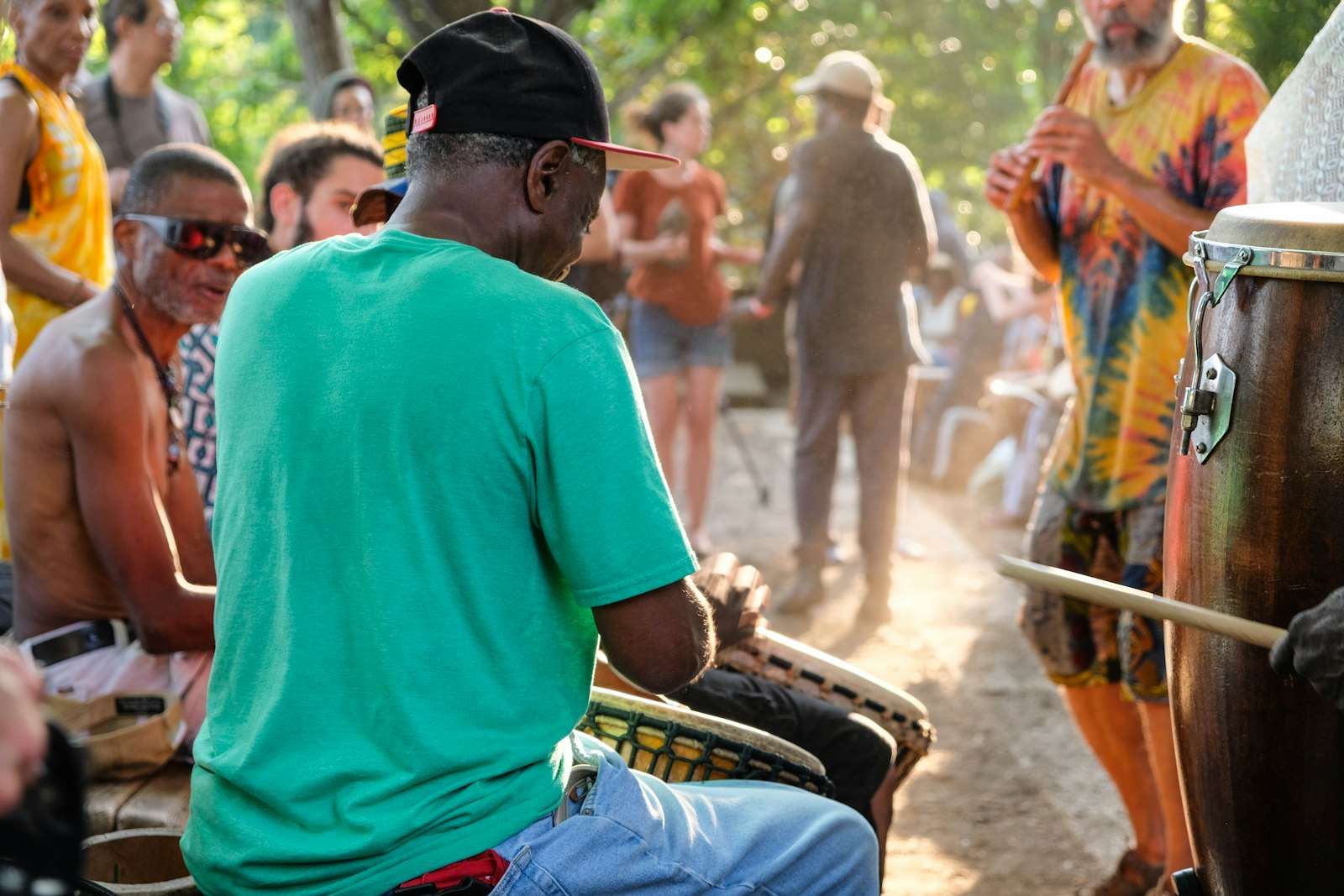
There is something primal and undeniably comforting about the sound of a drum. For thousands of years, humans have gathered in circles to share rhythm, celebrate life, and find solace in times of grief. Today, this ancient practice is being integrated into modern clinical settings through the music therapy drum circle.
While a community jam session is about the music, a music therapy drum circle is about the person. It is a structured, intentional space where a Board-Certified Music Therapist (MT-BC) uses the djembe, conga, and frame drum to help participants reach specific health goals. Whether it is reducing stress, improving motor skills, or fostering social connection, the drum is the bridge to better well-being.
What Makes a Drum Circle Therapeutic?
To the casual observer, a music therapy drum circle might look like any other gathering of people hitting percussion instruments. However, the difference lies in the intention and the facilitation. In a therapeutic setting, the rhythm is a tool used to address non-musical goals.
Clinical music therapy focuses on areas such as:
- Cognitive Function: Enhancing memory, attention span, and executive function through rhythmic patterns.
- Emotional Regulation: Providing a safe outlet for expressing anger, joy, or sadness without the need for words.
- Physical Rehabilitation: Improving fine and gross motor skills by playing instruments like the doumbek or shaker.
- Social Connection: Reducing isolation through shared experience and call-and-response exercises.
The Instruments of Healing
In a therapeutic drum circle, the choice of instrument is crucial. Different drums provide different sensory inputs and require varying levels of physical effort.
- The Djembe: This West African drum is a staple. Its deep bass notes can be felt in the chest, providing a grounding sensation for those dealing with anxiety.
- The Frame Drum: Often held in one hand or rested on the lap, frame drums are excellent for gentle, meditative work. They are frequently used in drumming retreats focused on mindfulness.
- The Dunun: These larger bass drums provide the heartbeat of the circle, offering a steady, predictable pulse that helps participants feel secure.
- Small Percussion: Shakers, bells, and woodblocks allow participants with limited mobility or sensory sensitivities to participate fully without being overwhelmed by volume.
The Role of the Facilitator vs. The Music Therapist
It is important to distinguish between a community drum circle facilitator and a music therapist. A facilitator’s primary goal is to help a group of people make great music together and have a good time. They are wonderful for events and community building.
In contrast, a music therapist in a drum circle setting is observing the participants for clinical shifts. Are they making eye contact? Is their breathing slowing down? Are they able to follow a rhythm, or are they struggling with motor planning? The therapist adapts the beat in real-time to support the therapeutic process.
Benefits for Mental Health and Stress Reduction
One of the most researched areas of the music therapy drum circle is its impact on stress. Chronic stress produces cortisol, which can damage the body over time. Group drumming has been shown to reduce cortisol levels and boost the immune system.
For those living with PTSD or trauma, the drum circle offers a way to reclaim their voice. In a "call-and-response" exercise, the therapist might play a rhythm (the question) and ask the participant to play back (the answer). This simple act of being heard and mirrored can be incredibly validating for someone who has felt silenced.
Drumming for Neurological and Physical Recovery
Music therapy drum circles are also highly effective in neuro-rehabilitation. For patients recovering from a stroke or living with Parkinson’s disease, the rhythmic cue of the drum acts as an external metronome. This helps the brain "re-wire" and improves gait and coordination.
In many drum schools, instructors work alongside therapists to ensure that students are using proper technique to avoid strain while maximizing the physical benefits of the vibration and movement.
Finding the Right Circle for You
If you are looking for a music therapy drum circle, it is helpful to start by identifying your goals. Are you looking for a clinical environment to help with a specific diagnosis, or are you looking for the "wellness" benefits of a community-led circle?
Many people find that starting with drum teachers to learn basic technique gives them the confidence to join larger groups. From there, you can explore specialized circles hosted by hospitals, community centers, or wellness retreats.
Conclusion: Join the Rhythm
The beauty of the drum is that it requires no prior musical training. You don't need to read music to benefit from the healing power of a music therapy drum circle. You only need to be willing to listen and let your hands follow the pulse. By joining a circle, you aren't just making noise; you are participating in a communal heartbeat that has the power to heal, connect, and transform.
Frequently asked
- Do I need to be a musician to join a music therapy drum circle?
- No musical experience is necessary. The focus of a music therapy drum circle is on the therapeutic process and personal expression rather than musical perfection or performance.
- What is the difference between a drum circle and music therapy?
- A standard drum circle is a social musical event focused on community and fun. A music therapy drum circle is led by a credentialed professional to address specific clinical goals like stress reduction, motor skill improvement, or emotional healing.
- What should I bring to my first therapeutic drumming session?
- Most sessions provide instruments like djembes and shakers. You should wear comfortable clothing that allows for movement and bring an open mind. If you have a favorite hand drum, you can ask the therapist if it is appropriate to bring it along.
- Can drumming help with anxiety?
- Yes, drumming is a powerful tool for anxiety. The rhythmic nature of the practice helps ground the individual in the present moment, while the physical act of drumming releases endorphins and reduces tension in the body.
Find a drum circle near you
Browse hundreds of circles, teachers and rhythm community gatherings.
Explore drum circles