
Starting and Growing a Nonprofit Drumming Program
Discover how a nonprofit drumming program can transform communities through rhythm, healing, and inclusive music-making.
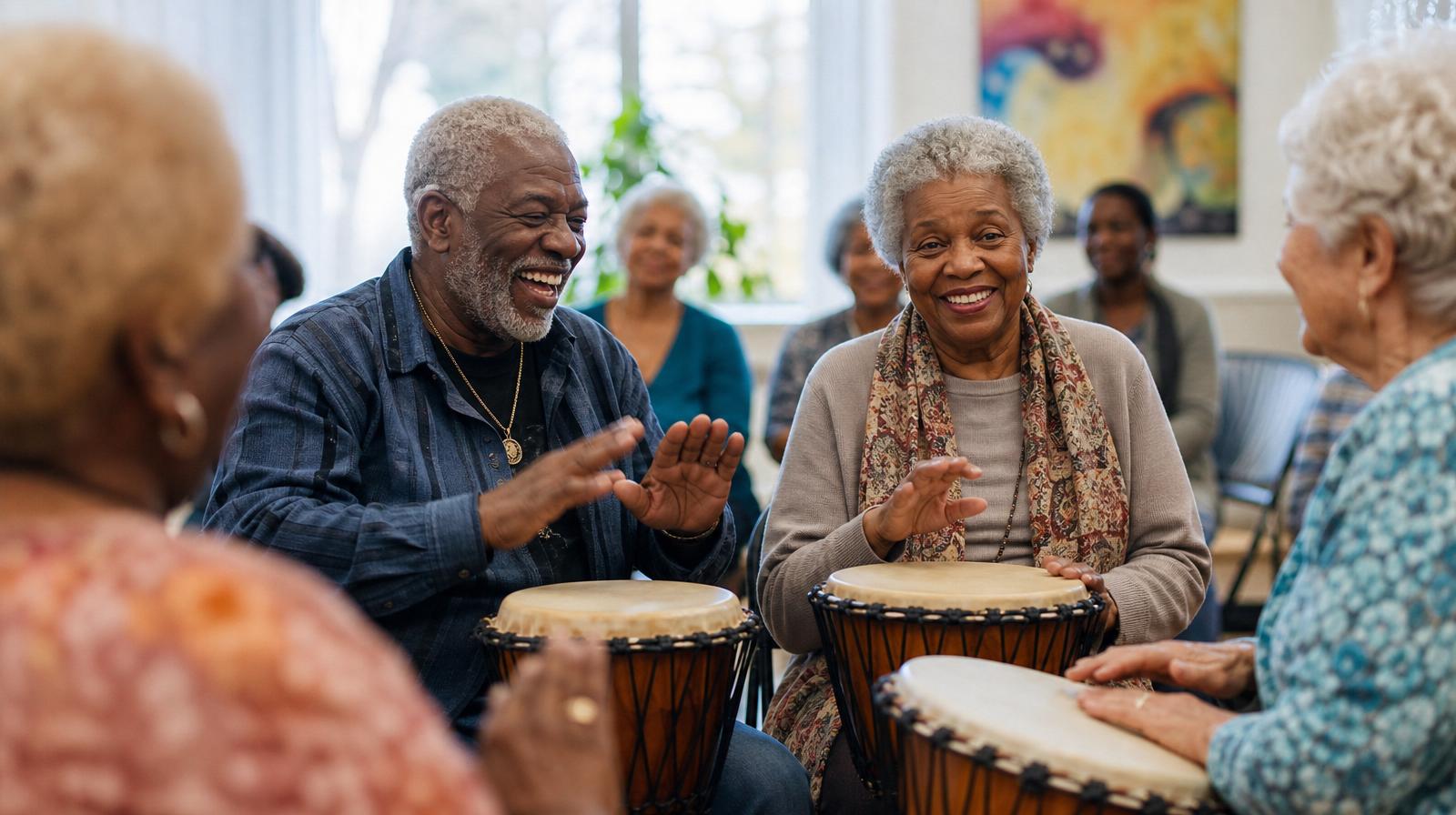
There is a unique magic that happens when a group of strangers sits in a circle, hands poised over goatskin and wood. The first strike of a djembe or the low hum of a dunun creates an immediate, visceral connection that transcends language, age, and socioeconomic status. This is the heart of a nonprofit drumming program: the belief that rhythm is a universal right and a powerful tool for social change.
In this guide, we will explore how to build, fund, and sustain a rhythm-based organization that serves the community, whether you are targeting at-risk youth, seniors, or those in recovery.
The Mission of Rhythm: Why Nonprofit Drumming Matters
A nonprofit drumming program differs from a standard drum school in its core objective. While skill development is important, the primary goal is often social-emotional learning, community cohesion, or therapeutic intervention. By removing the barrier of cost, these programs ensure that the healing power of the drum is accessible to everyone.
From full-moon gatherings to structured classroom workshops, rhythm programs provide a safe space for expression. They foster 'communitas'—that sense of togetherness where individual egos dissolve into a collective pulse.
Choosing the Right Instruments for Your Program
When stocking your nonprofit, durability and accessibility are key. You want instruments that are easy to play but offer a professional sound. Consider a mix of the following:
- Djembes: The most popular choice for community circles due to their wide range of tones (bass, tone, and slap).
- Frame Drums: Lightweight and culturally versatile, perfect for mindfulness-based programs.
- Dununs: These cylindrical bass drums provide the heartbeat of West African rhythms and are great for teaching teamwork.
- Congas and Bongos: Excellent for Afro-Cuban influenced programs and developing hand technique.
- Auxiliary Percussion: Shakers, bells, and woodblocks allow participants with limited mobility to join the groove.
If your program focuses on education, you might look for drum schools that offer bulk purchasing advice or partnerships for fleet maintenance.
Designing Your Program Curriculum
A successful nonprofit drumming program needs a clear structure. Will you focus on traditional rhythms, or will you use a 'facilitated' approach where the music is improvised?
Many programs utilize a call-and-response format. This ancient teaching method builds listening skills and confidence. For example, a facilitator might play a rhythm on a doumbek, and the group echoes it back on their respective drums. This creates an immediate dialogue without needing a single word of English.
For more specialized instruction, you may want to collaborate with drum teachers who have experience in trauma-informed care or special education.
Funding and Sustainability for Rhythm Nonprofits
Sustainability is the biggest challenge for any nonprofit drumming program. Because you are often providing services for free or at a low cost, you must diversify your income streams:
- Grants: Look for arts-in-education grants, community wellness funds, and private foundations.
- Corporate Team Building: Offer paid rhythm workshops to local businesses to subsidize your community outreach.
- Individual Donations: Host 'Drum-a-thons' or community performances to raise awareness.
- Instrument Sponsorships: Partner with manufacturers who may donate 'B-stock' instruments for your cause.
Building a Volunteer and Facilitator Network
Your people are your greatest asset. A nonprofit drumming program thrives on the energy of its facilitators. You need individuals who are not just skilled drummers, but skilled listeners. They must be able to read the energy of the room and adjust the tempo or volume to keep the circle inclusive.
Encourage your team to attend drumming retreats to sharpen their skills and prevent burnout. These retreats offer valuable networking opportunities with other nonprofit leaders in the rhythm world.
Measuring Success and Community Impact
To keep donors engaged, you must prove that your program works. This isn't just about how many people attended a circle. Use qualitative and quantitative data:
- Surveys: Ask participants about their stress levels before and after the session.
- Testimonials: Collect stories of how the drum circle helped someone find their voice.
- Retention: Track how many participants return for multiple sessions.
By documenting the transformation—from the first shy tap on a conga to the confident roar of a finale—you build a compelling case for your program's continued existence.
Finding Your Place in the Drumming Community
Every nonprofit drumming program is part of a larger ecosystem. Whether you are hosting family-friendly circles in a park or intensive workshops in a community center, visibility is vital. Make sure your organization is listed where people are looking for rhythm.
Check out upcoming events to see what other organizations are doing, and don't forget to list your own gatherings to attract new participants and volunteers.
Find a drum circle near you to see the power of community rhythm in action.
Frequently asked
- What is the difference between a drum circle and a drumming program?
- A drum circle is typically a single event focused on spontaneous music-making, while a drumming program is a structured, recurring series of sessions with specific goals, such as education, therapy, or community building.
- How can I find instruments for a nonprofit on a budget?
- Many nonprofits start by seeking donations of used instruments from the community or applying for 'arts-in-education' grants. You can also contact manufacturers for educational discounts or look for synthetic-head drums which are more durable and lower maintenance.
- Do I need to be a professional drummer to start a drumming program?
- While musical proficiency helps, being a great facilitator is more important. A nonprofit leader needs to be skilled in group dynamics, empathy, and organization. You can always hire professional teachers to handle the technical instruction.
Find a drum circle near you
Browse hundreds of circles, teachers and rhythm community gatherings.
Explore drum circles