
Master the Rhythm: Best Online African Drumming Lessons for
Discover the vibrant world of West African percussion from home with our guide to the best online African drumming lessons and cultural traditions.
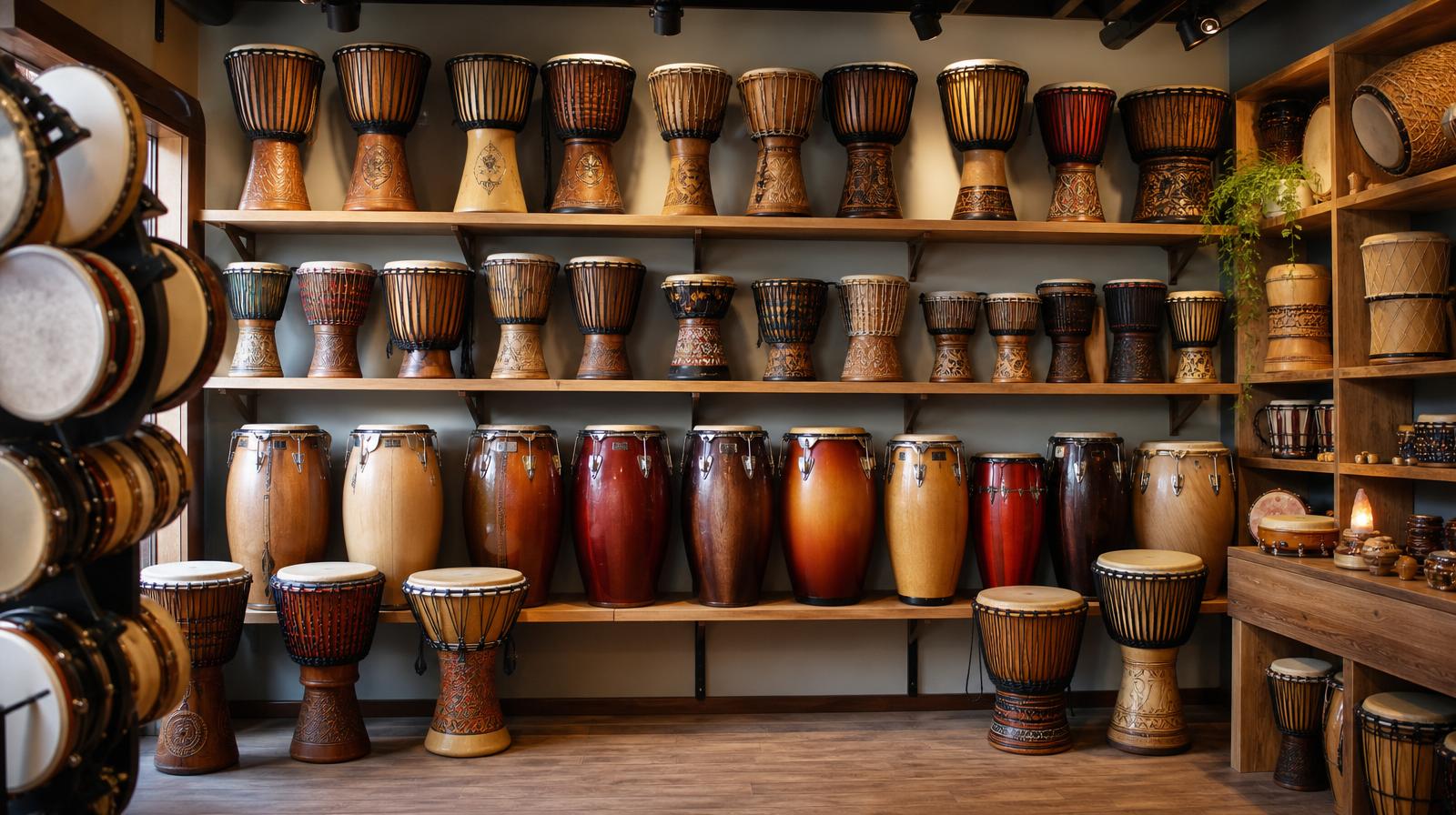
The resonant slap of a djembe and the deep, grounding thrum of the dunun have a way of speaking directly to the soul. For many, the journey into West African percussion begins with a spark of curiosity at a local festival or a full-moon gathering. However, finding a master drummer in your immediate neighborhood isn't always possible. This is where the digital age has revolutionized the way we learn, making high-quality online African drumming lessons accessible to anyone with an internet connection.
Whether you are looking to master the complex polyrhythms of the Manding tradition or simply want to improve your hand technique for a community drum circle, learning online offers a flexible, structured path to mastery. In this guide, we explore how to choose the right program, the essential instruments you'll need, and how to bridge the gap between digital learning and local community practice.
Why Start Your Journey with Online African Drumming Lessons?
Learning a traditional art form online might seem unconventional at first, but it offers several distinct advantages for the modern student.
Firstly, you gain access to world-class master drummers (Griot lineages) who may live thousands of miles away. You can study the nuances of the Malinke or Susu rhythms directly from the source. Secondly, online lessons allow you to pause, rewind, and re-watch complex hand patterns. Mastering the difference between a 'tone' and a 'slap' requires repetitive observation, and digital video is a perfect tool for this.
Finally, online courses often provide a comprehensive curriculum that covers not just the technique, but the history and cultural context of each rhythm. Understanding that a specific rhythm is played for a harvest or a wedding changes how you approach the instrument.
Choosing the Right Instrument: Djembe and Dununs
Before you dive into your first lesson, you need the right tools. Most online African drumming lessons focus on the djembe, the goblet-shaped drum known for its wide range of pitches.
- The Djembe: Look for a drum carved from a single piece of hardwood (like Lenke or Iroko) with a goat-skin head. Avoid cheap "souvenir" drums, as they won't hold the tension required for clear sounds.
- The Dununs: These are the heartbeat of the ensemble. The Dundunba (large), Sangban (medium), and Kenkeni (small) provide the melodic foundation. While many beginners start with just a djembe, learning the dunun parts will exponentially improve your timing.
If you aren't sure where to purchase a quality instrument, checking with reputable drum schools can often lead you to trusted importers who prioritize fair trade and authentic craftsmanship.
Essential Techniques for the Digital Student
When you begin your online African drumming lessons, your instructor will likely focus on the three primary notes of the djembe. Mastering these is non-negotiable for producing a clear, musical sound.
- The Bass: Struck in the center of the drum with a flat hand. It should be deep and resonant.
- The Tone: Struck at the edge of the drum with fingers together. This produces a round, melodic sound.
- The Slap: The most challenging note. Struck at the edge with a relaxed hand, allowing the fingertips to whip against the skin for a sharp, high-pitched crack.
Online platforms often use multi-angle cameras to show exactly where the hand meets the skin, which is vital for avoiding injury and developing proper muscle memory.
Navigating Rhythms and Polycentricity
West African music is built on polyrhythms—multiple rhythms happening simultaneously that create a complex whole. Online lessons typically break these down into manageable parts. You might start by learning a simple '4/4' rhythm like Kuku, which is traditionally played by women returning from fishing.
As you progress, you’ll encounter '12/8' rhythms like Soli or Tiriba. A good online course will provide play-along tracks where you can practice your part against a recording of the full ensemble, helping you stay in time while the other drums play contrasting patterns.
Supplementing Online Learning with Real-World Practice
While online African drumming lessons provide the foundation, drumming is inherently a social and communal activity. The goal for most students is to eventually take their skills into a live setting. Use your digital training to build confidence, but don't forget to seek out drumming retreats or workshops where you can experience the energy of a live circle.
Practicing with others teaches you how to listen—a skill that is difficult to master in isolation. You’ll learn the "call-and-reponse" signals from the lead drummer, which indicate when to start, stop, or change the tempo of a rhythm.
What to Look for in a Quality Online Course
Not all online African drumming lessons are created equal. When browsing for a teacher or school, look for these features:
- Cultural Context: Does the teacher explain where the rhythm comes from and what it means?
- High-Quality Audio: You need to hear the distinction between the bass, tone, and slap clearly.
- Progressive Curriculum: A good course moves logically from basic hand positions to complex solo phrases.
- Community Support: Look for courses that offer a forum or private group where you can ask questions and share videos of your progress.
If you find you prefer one-on-one feedback, many drum teachers now offer private sessions via Zoom or Skype, providing personalized corrections to your technique in real-time.
Transitioning from Student to Community Member
Once you have mastered a few basic rhythms and feel comfortable with your technique, it’s time to find your tribe. The transition from a solo student to a community drummer is an exciting milestone. You can look for events in your region that welcome beginners, or find a family-friendly circle where you can practice your new skills in a low-pressure environment.
Remember, every master drummer was once a beginner. The key is consistency, respect for the tradition, and a willingness to keep your ears open to the rhythms around you.
Find a drum circle near you to start sharing your rhythm today.
Frequently asked
- Do I need a professional drum to start online African drumming lessons?
- While a professional-grade djembe is ideal for the best sound, you can certainly start with a mid-range synthetic drum or even a practice pad to learn the basic hand movements. As you progress, investing in a high-quality, rope-tuned wooden drum will help you develop the correct touch and ear for the instrument.
- How long does it take to learn djembe online?
- Basic hand techniques can be learned in a few weeks with consistent practice. However, mastering traditional rhythms and developing the speed for soloing typically takes several months to years of dedicated study. Consistency is more important than the length of each practice session.
- Can I learn African drumming if I have no musical background?
- Absolutely! African drumming is often taught through oral tradition and 'feeling' the rhythm rather than reading sheet music. Most online lessons are designed to be accessible to everyone, focusing on call-and-response patterns and intuitive movements that don't require prior musical training.
Find a drum circle near you
Browse hundreds of circles, teachers and rhythm community gatherings.
Explore drum circles