Best Online Djembe Classes for Beginners: A Complete Guide
Ready to master the heartbeat of West Africa? Discover how to choose the best online djembe classes and start your rhythmic journey from home.
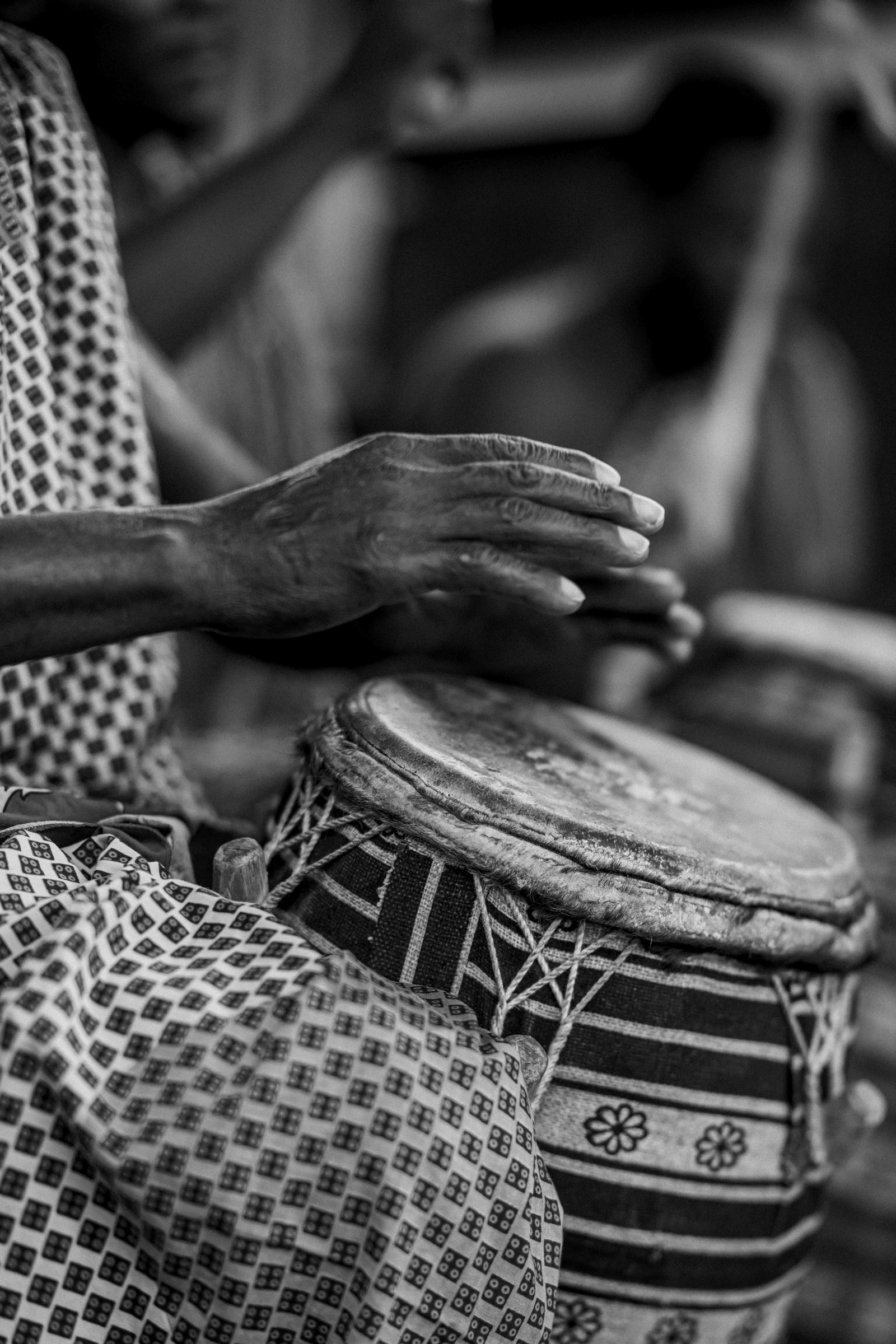
There is something primal and deeply rewarding about the sound of a djembe. Originating from West Africa, this goblet-shaped drum is known as the "healing drum" because of its ability to bring people together in harmony. While nothing beats the physical vibration of a live circle, many aspiring drummers are now finding their rhythm through online djembe classes for beginners.
Learning digitally allows you to study at your own pace, revisit complex polyrhythms as often as needed, and connect with world-class masters from Mali, Guinea, and Senegal who might not live in your hometown. This guide will help you navigate the landscape of digital drumming so you can build a solid foundation of technique and spirit.
Why Start Your Drumming Journey Online?
For many, the initial hurdle of joining a local drum circle is a lack of confidence. You might worry about keeping the beat or understanding the "language" of the drum. Online djembe classes for beginners provide a safe, private space to practice your slaps, tones, and basses before you debut your skills in public.
Furthermore, online platforms often provide high-definition overhead shots of the drum head. This visual clarity is often better than what you would get sitting in the back of a crowded workshop. You can see exactly where the palm hits the bearing edge and how the fingers are positioned to achieve that crisp, signature djembe crack.
Essential Gear: What You Need Before Your First Lesson
Before you hit play on your first tutorial, you need the right tools. While you don't need a professional-grade Mali djembe immediately, your instrument will dictate your progress.
- The Drum: Look for a djembe with a head diameter of at least 10 to 12 inches. Anything smaller is usually a "souvenir" drum and won't produce the distinct bass and slap sounds required for proper learning.
- Proper Seating: Use a armless chair or a drum stool (throne). Your knees should be slightly lower than your hips, and the drum should be tilted away from you to allow the sound to escape from the bottom.
- Good Audio: If possible, use external speakers or quality headphones. The deep bass frequencies of the djembe can be lost on standard laptop speakers, making it hard to follow the teacher's rhythm.
Core Techniques Taught in Beginner Online Courses
Any reputable course will focus heavily on the three primary sounds of the djembe. Mastering these is the secret to making the drum "speak."
- The Bass: Played in the center of the drum with a flat, heavy hand. This is the heartbeat.
- The Tone: Played at the edge of the drum with fingers together. It should sound full and melodic.
- The Slap: The most challenging stroke, played with a relaxed hand so the fingertips rebound off the edge. This creates the high-pitched "crack."
Online djembe classes for beginners usually start with "call-and-response" exercises. The teacher plays a pattern, and you play it back. This mimics the traditional way drumming has been taught for centuries in West Africa.
How to Choose the Right Online Drum Teacher
Not all digital lessons are created equal. When searching for drum teachers, look for instructors who respect the cultural lineage of the instrument. The djembe is more than just a percussion instrument; it is a vessel for history and storytelling.
Check if the curriculum includes the names of the rhythms (such as Kuku, Moribayassa, or Djole) and explains their traditional context. A good teacher will emphasize posture and hand safety to prevent repetitive strain injuries. If you prefer a more structured environment, you might even look into dedicated drum schools that offer tiered certification or progressive modules.
Transitioning from Your Screen to the Circle
The ultimate goal of learning the djembe is to share that rhythm with others. Once you have mastered a few basic accompaniments and feel comfortable with your timing, it is time to find a community. Drumming is a social art form meant to be experienced in a group setting.
You can use the Drum Circle Directory to find local gatherings where you can apply what you've learned. Many communities host family-friendly circles or full-moon gatherings that welcome beginners with open arms. Don't be afraid to tell the facilitator that you've been practicing online; they will often help you find a spot in the circle where you can hear the lead drummer clearly.
Staying Motivated: The Path to Rhythmic Mastery
Consistency is the key to progress. Even 15 minutes of practice a day is better than a two-hour marathon once a week. Your hands need time to develop the necessary calluses and muscle memory.
To keep things fresh, consider attending events or workshops in your region. Meeting other students who are also taking online djembe classes for beginners can create a support network that keeps you inspired. For those who want to dive even deeper, drumming retreats offer an immersive experience where you can live and breathe rhythm for several days, often in beautiful, natural settings.
Find a drum circle near you.
Frequently asked
- Can I really learn djembe effectively through a computer screen?
- Yes, online learning is highly effective for djembe because it allows you to watch hand placements in slow motion and repeat lessons until the muscle memory takes hold. Many top-tier West African masters now offer digital courses that provide better technical detail than a large, noisy in-person workshop.
- How long does it take to learn the basic djembe sounds?
- Most beginners can distinguish between the bass, tone, and slap within their first few hours of practice. However, achieving a consistent, sharp slap and a clear tone usually takes 3 to 6 months of regular practice. Consistency is more important than the length of each individual session.
- Do I need to read music to take online djembe classes?
- No, most djembe instruction is based on oral tradition and a notation system called 'Box Notation' or 'TUBS.' These systems are very intuitive and do not require prior knowledge of Western music theory, making it accessible for everyone.
Find a drum circle near you
Browse hundreds of circles, teachers and rhythm community gatherings.
Explore drum circles