
Online Percussion Circle: How to Jam and Connect From Home
Discover how to bridge the digital gap and find your rhythm with our guide to joining an online percussion circle.
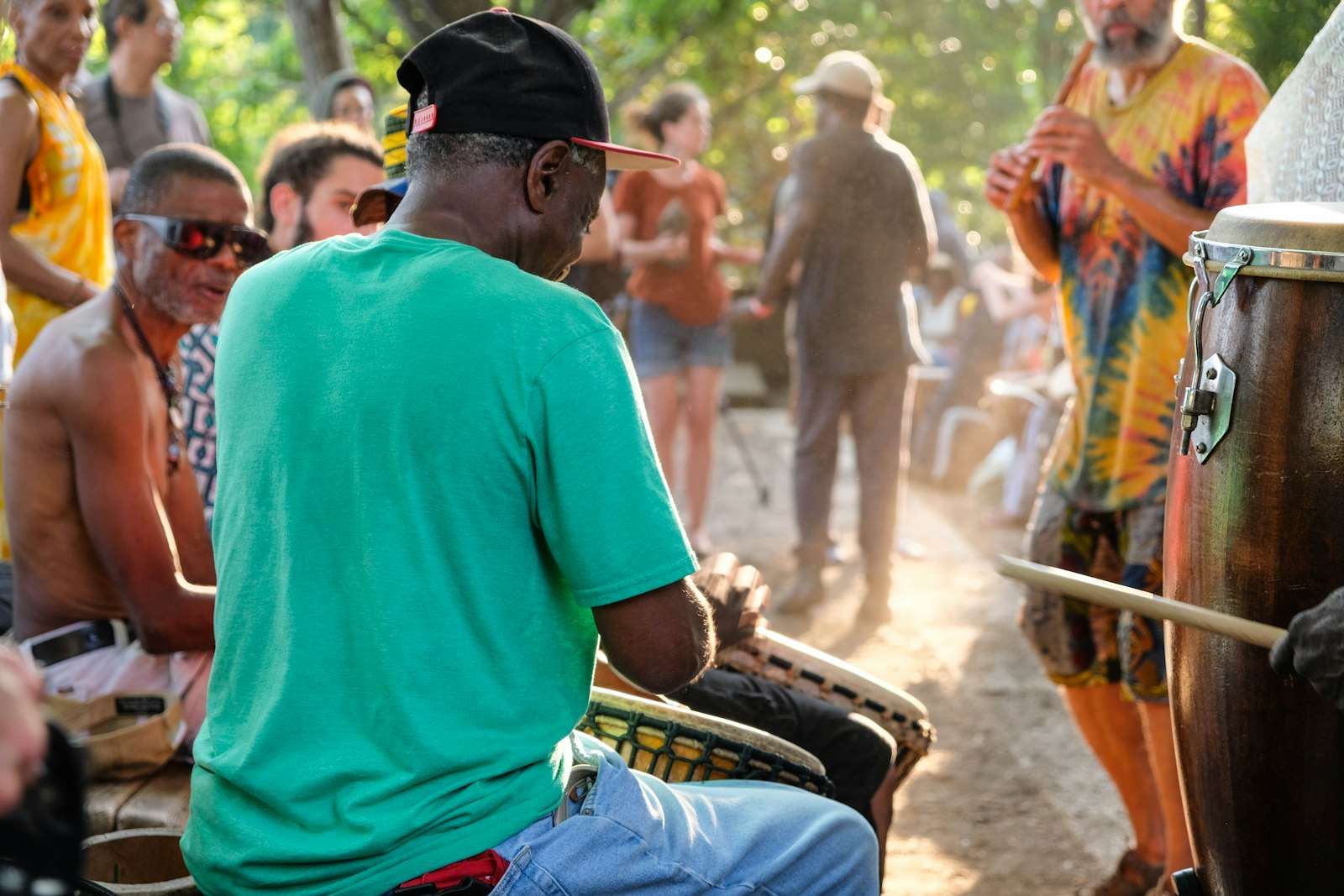
For decades, the drum circle has been a physical sanctuary—a place where the scent of goatskin heads and wood smoke mingles with the resonant thrum of the djembe. But what happens when we can't meet in the park or the community center? The rise of the online percussion circle has transformed how we share rhythm, proving that the heartbeat of a community isn't limited by geography.
Whether you are a seasoned facilitator or a beginner with your first doumbek, navigating a digital drum circle requires a unique blend of technology and traditional spirit. This guide explores how to find, join, and thrive in virtual rhythm spaces.
The Evolution of the Virtual Drum Circle
While nothing replaces the physical vibration of a bass note hitting your chest in a live room, the online percussion circle offers something unique: accessibility. Drummers from different continents can now share a pulse, blending the sounds of West African dununs with Middle Eastern frame drums in real-time.
Digital circles have broken down barriers for those in remote areas or those with mobility challenges. Today, these gatherings range from casual Zoom hangouts to high-fidelity sessions using specialized low-latency software. They are more than just a temporary fix; they are a new way to build a global rhythm family.
Essential Gear for Your Digital Jam
To get the most out of an online session, you need more than just your instrument. While you can certainly use your laptop’s built-in microphone, a few small upgrades will significantly improve the experience for everyone else in the call.
- External Microphone: A simple USB condenser mic can capture the deep lows of a djembe and the crisp highs of a shaker far better than a phone.
- Headphones: These are vital. To prevent echo and feedback loops, you must be able to hear the facilitator without that sound leaking back into your microphone.
- Stable Internet: Whenever possible, use an Ethernet cable rather than Wi-Fi to reduce "jitter" and audio dropouts.
- Your Instrument: Whether it’s a set of congas, a cajon, or even a pair of spoons, ensure your percussion is within reach and positioned so you can play comfortably while seeing the screen.
If you are looking to sharpen your skills before joining a live session, you might consider connecting with drum teachers who offer one-on-one digital coaching to help you find your pocket.
Navigating Latency: The Digital Drummer's Challenge
In a physical circle, sound travels at the speed of... well, sound. In an online percussion circle, sound travels at the speed of the internet. This delay, known as latency, means that if everyone tries to play a complex syncopated beat together on a standard video call, it often results in rhythmic chaos.
Experienced virtual facilitators use several strategies to overcome this:
- Muted Collaborative Play: The leader plays a beat, and everyone else plays along while muted. You hear the leader and yourself, creating a personal practice environment within a group setting.
- Call-and-Response: The leader plays a four-beat phrase, then points to a participant to unmute and repeat it. This is a fantastic way to highlight individual voices.
- Low-Latency Software: Tools like JackTrip or Jamulus allow musicians to play in near-real-time, though they require a more technical setup.
Online Etiquette and Best Practices
Just like an in-person gathering, a virtual circle has its own set of unwritten rules. Respecting the digital space ensures that the "vibe" remains high and the technical glitches remain low.
- Stay Muted Unless Invited: Unless the facilitator specifically asks for an open mic session, keep your audio muted to prevent background noise (like dogs barking or sirens) from disrupting the rhythm.
- Use Visual Cues: Since we can’t always hear each other perfectly, use exaggerated body language. A "thumbs up" or a wave to the camera helps the facilitator know you’re following along.
- Mind Your Lighting: Try to have a light source in front of you rather than behind you. Seeing your hands helps others follow your technique.
- Support the Facilitator: Leading a virtual group is hard work. Offer encouragement in the chat box and stay engaged even when you are muted.
If you're interested in more formal training, many drum schools now offer online modules that specifically teach virtual facilitation skills.
Finding the Right Online Community
Where do you find these digital gatherings? Many established physical circles have added a "hybrid" component, streaming their local meetups to a global audience. You can often find these listed under events on community boards.
Social media groups dedicated to hand drumming often host spontaneous "Live" sessions, and many non-profits use rhythm as a tool for wellness, hosting weekly online percussion circles to combat isolation and stress.
The Health Benefits of Virtual Drumming
Even through a screen, the act of drumming has profound effects on our well-being. Research shows that group drumming can reduce cortisol levels and boost the immune system. In an online setting, the sense of "belonging" is a powerful antidote to loneliness.
Participating in a circle—even virtually—releases endorphins and helps synchronize our brainwaves. It provides a structured creative outlet that allows us to process emotions without needing words. For many, the weekly online circle is a vital piece of their mental health toolkit.
Transitioning from Online to In-Person
While the virtual world is expansive, there is a special magic in meeting your rhythm brothers and sisters in the flesh. Use your time in an online percussion circle to build your confidence and learn the basic patterns like the "Heartbeat" or the "Gallop."
Once you feel comfortable, you can look for local opportunities to bring those skills to a park or studio. Many people who meet in digital spaces eventually organize drumming retreats to finally play together in the same physical vibration.
Ready to take your seat in the circle? Find a drum circle near you and start your journey today.
Frequently asked
- Can I participate in an online percussion circle if I don't have a drum?
- Absolutely! Found percussion is a staple of online circles. You can use a plastic bucket, a tabletop, or even a shaker made from a pill bottle filled with rice. The goal is participation and rhythm, not the price of your gear.
- Why is there a delay when I try to drum with others on Zoom?
- This is called latency, caused by the time it takes for audio data to travel over the internet. Most facilitators handle this by having participants stay muted while playing along with a lead drummer to ensure everyone stays on the same beat.
- What is the best software for a virtual drum jam?
- While Zoom and Google Meet are the easiest to use, they aren't designed for music. For higher quality, look into platforms like JamKazam or Jamulus, which are specifically built to reduce latency for musicians playing together remotely.
Find a drum circle near you
Browse hundreds of circles, teachers and rhythm community gatherings.
Explore drum circles