Choosing the Best Online Percussion School for Your Journey
Discover how to master the djembe, conga, and frame drum from home through a comprehensive online percussion school experience.
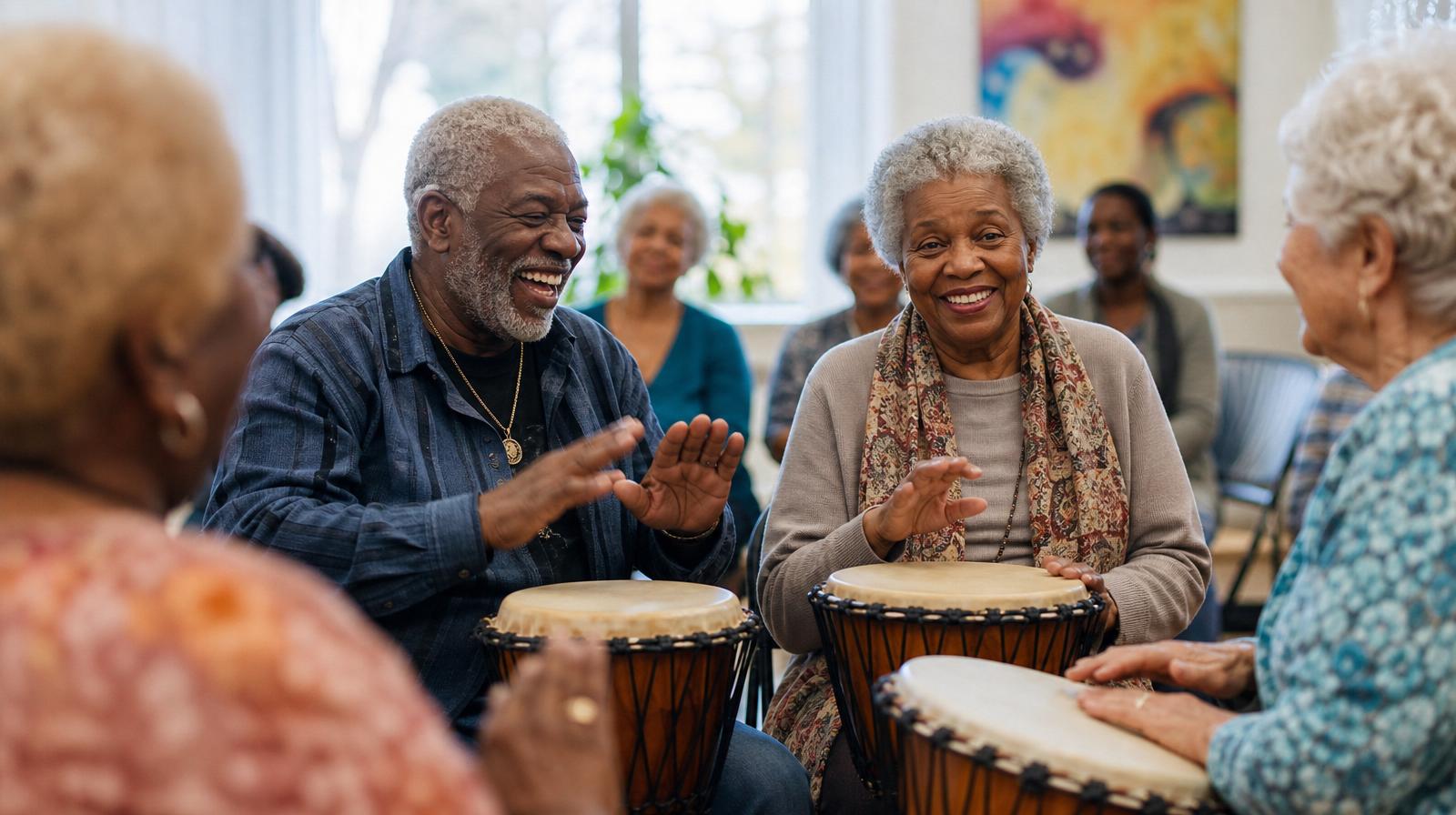
There is a unique magic that happens when a stick hits a skin or a palm strikes a djembe. For many of us, that first spark of rhythm leads to a lifelong passion. However, finding a local master to guide your hands isn't always possible. This is where the modern online percussion school comes into play, bridging the gap between ancient traditions and digital convenience.
Whether you are a beginner looking to understand the basics of a bass-tone-slap or an intermediate player wanting to dive into complex West African polyrhythms, the virtual classroom has evolved into a powerhouse of rhythmic education.
The Evolution of Learning Rhythm Online
Years ago, learning percussion meant finding a teacher in your immediate neighborhood or traveling to a distant retreat. Today, the landscape has shifted. An online percussion school offers a structured curriculum that YouTube tutorials simply cannot match.
Instead of disjointed videos, you get a roadmap. This progression is vital for hand drummers. Without a clear path, it is easy to develop bad habits in your hand positioning or posture that can lead to strain. A dedicated school provides the foundation needed to play for hours without fatigue.
Essential Instruments You Can Master Online
Most high-quality digital drum schools focus on specific families of instruments. When browsing for the right platform, look for specialized tracks in:
- West African Djembe and Dunun: Focus on the history, the three basic sounds, and the interplay between the djembe and the bass drums (dundunba, sangban, and kenkeni).
- Middle Eastern Doumbek and Frame Drum: Learn the nuanced finger-tapping techniques and the odd-meter rhythms like 7/8 or 9/8 that define these traditions.
- Afro-Cuban Congas and Bongos: Master the 'tumbao' and the essential 'clave' that forms the heartbeat of Latin music.
- Handpans and Steel Tongues: Explore the melodic side of percussion, focusing on resonance and atmospheric play.
What to Look for in a Virtual Drumming Curriculum
Not all digital schools are created equal. To get the most for your investment, ensure the drum schools you are considering offer the following features:
Multi-Angle Video Lessons
Percussion is highly visual. You need to see the angle of the wrist, the height of the stroke, and the exact placement of the fingers. Top-tier schools use overhead and side-view cameras so you can mirror the instructor exactly.
Progressive Skill Building
A good program doesn't just throw rhythms at you. It starts with ergonomic exercises, moves into basic call-and-response patterns, and eventually introduces complex soloing concepts. This ensures you don't skip the "boring" but essential fundamentals.
Access to Expert Faculty
The best online percussion school is led by recognized masters of the craft. Look for instructors who have spent years studying in the source countries of the instruments they teach. Learning from a drum teacher who understands the cultural context of a rhythm adds a layer of soul to your playing that technical exercises alone cannot provide.
The Importance of Community in Digital Learning
One of the biggest hurdles of online learning is isolation. Drumming is, at its core, a social activity. The best schools solve this by fostering a digital community. Look for platforms that offer:
- Interactive Forums: Where you can post videos of your progress and receive feedback.
- Live Q&A Sessions: Real-time access to instructors to clarify tricky techniques.
- Virtual Drum Circles: Opportunities to play along with others in a synchronized or recorded format.
While learning online is convenient, we always encourage students to eventually take their skills into the real world. You can find local groups to practice with by searching for drum circles in your area.
Supplementing Online Lessons with Physical Practice
An online percussion school provides the 'how-to,' but you provide the 'heart.' To truly excel, you must integrate your digital lessons into a physical routine. Set up a dedicated space for your drums. Whether it's a corner of the living room or a backyard shed, having your instruments out and ready to play is half the battle.
Try to practice in short, focused bursts. Twenty minutes of intentional practice on a single djembe slap technique is more valuable than two hours of mindless jamming. Use a metronome—most online schools will provide play-along tracks, which are essential for developing a rock-solid internal sense of time.
From the Screen to the Circle
The ultimate goal of any rhythmic education is expression. Once you have built your confidence through an online curriculum, the next step is joining a community gathering. Whether it is a full-moon beach circle or a structured workshop, playing with others is where your training truly crystallizes.
Many students find that attending drumming retreats is the perfect way to transition from online learning to an immersive, in-person experience. These events allow you to meet your digital peers and instructors face-to-face, creating a powerful sense of belonging.
Conclusion: Start Your Rhythmic Journey Today
The world of percussion is vast, ancient, and deeply rewarding. By enrolling in an online percussion school, you are taking the first step toward mastering an art form that heals the body and connects the spirit. Don't wait for the perfect moment; grab your drum, find a teacher that resonates with you, and let the rhythm take over.
Ready to take your new skills into the world? Find a drum circle near you and start sharing your beat.
Frequently asked
- Can I really learn to play drums effectively online?
- Yes, modern online percussion schools use high-definition, multi-angle video and slowed-down demonstrations that often make it easier to see technique than in a crowded in-person class. The key is choosing a school that offers feedback loops, such as video evaluations or live Q&A sessions.
- Do I need to own a drum before joining an online school?
- While having an instrument is ideal, many schools offer 'intro' courses where you can learn basic rhythm theory and hand techniques using a tabletop or a practice pad. However, to progress in specific traditions like djembe or conga, you will eventually need the actual instrument to develop the correct muscle memory.
- How much does an online percussion school typically cost?
- Costs vary widely, ranging from monthly subscriptions of $20-$50 to one-time payments for comprehensive masterclasses that can cost several hundred dollars. Most reputable schools offer a free trial or a selection of free introductory lessons so you can test their teaching style before committing.
Find a drum circle near you
Browse hundreds of circles, teachers and rhythm community gatherings.
Explore drum circles