
Online Rhythm Circle Guide: How to Drum Together from
Discover how to transcend physical borders and find connection through an online rhythm circle. Learn the best tools, techniques, and etiquette for digital drumming.
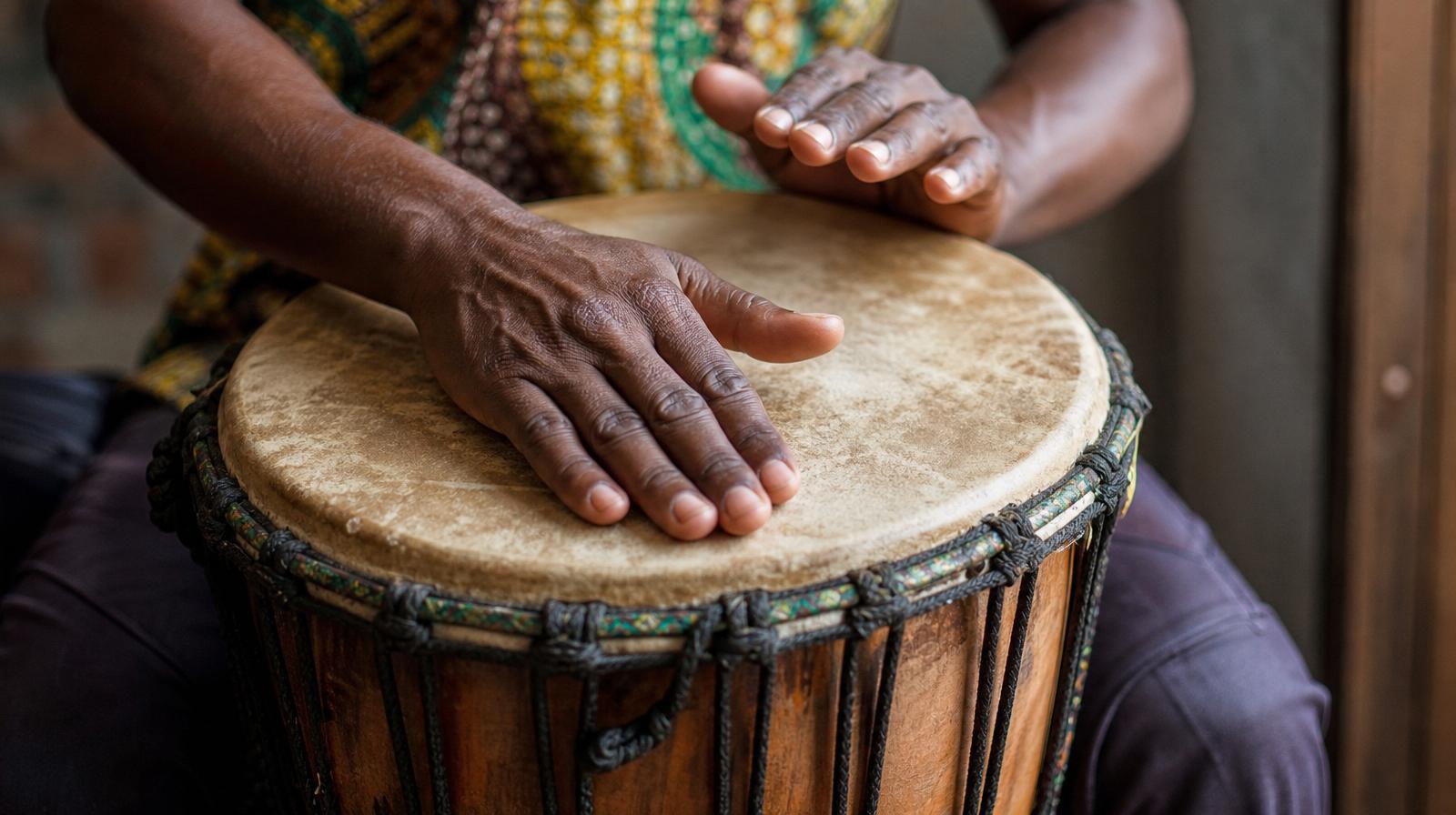
In the traditional sense, a drum circle is an ancient experience rooted in physical proximity—the feeling of the bass note from a djembe vibrating in your chest or the shared eye contact during a spontaneous shift in tempo. However, the rise of the online rhythm circle has transformed the way we view community. No longer restricted by geography, drummers from around the globe are now gathering in digital spaces to share pulse, spirit, and song.
Whether you are a seasoned facilitator or a beginner picking up your first frame drum, understanding how to navigate the virtual landscape is key to maintaining the magic of the circle. This guide explores the tools, techniques, and community heart needed to make digital drumming successful.
The Evolution of Virtual Drumming Communities
For years, the idea of drumming together over the internet was dismissed due to one major hurdle: latency. That slight delay in audio transmission makes it nearly impossible for two people to stay perfectly in sync using standard video conferencing software.
Yet, the desire for connection is a powerful motivator. The online rhythm circle emerged not as a replacement for in-person gatherings, but as a unique medium of its own. Facilitators began developing new methodologies, such as "follow-the-leader" styles or using high-speed, low-latency audio interfaces specifically designed for musicians. Today, these circles offer a lifeline to those in remote areas or those seeking a global community of drum teachers and enthusiasts.
Essential Gear for Your Online Rhythm Circle
To have a fulfilling experience, you don't need a professional recording studio, but a few key items will significantly improve the quality of your sound and your ability to hear the collective pulse.
- The Right Instrument: While any drum works, higher-pitched instruments like the doumbek or a small frame drum often cut through digital audio better than the deep, muddy bass of a large djembe. If you are using a djembe, try to play more on the edge (tones and slaps) to ensure clarity.
- External Microphone: Built-in laptop mics are designed for human speech and often compress or "clip" the loud transients of a drum. A simple USB condenser microphone can make your drum sound rich and natural.
- Headphones: This is the most critical piece of gear. Using speakers causes audio feedback loops. Closed-back headphones allow you to hear the facilitator and the backing track without your mic picking up the sound.
- Stable Internet: Always use a wired Ethernet connection if possible. Wi-Fi is prone to jitter, which can cause your rhythm to sound "jumpy" to others in the circle.
Navigating the Latency Challenge
In a physical circle, we rely on the speed of sound. In an online rhythm circle, we rely on data packets. Because of the inevitable delay, most virtual circles operate in one of two ways:
- The Muted Model: The facilitator plays a steady beat or a traditional rhythm, and everyone else stays on mute while drumming along. While you can't hear your peers, you can see them on screen, creating a powerful visual sense of synchronicity.
- Low-Latency Platforms: Specialized software like JamKazam or Sonobus allows for near-instantaneous audio exchange. These require a bit more technical setup but allow for true, real-time collaborative jamming.
Many practitioners also find that attending organized drumming events hosted by professional facilitators helps bridge the gap, as these experts are trained to lead despite the digital lag.
Virtual Etiquette: Being a Good Digital Citizen
Just as there are unwritten rules in a park circle, the digital space has its own etiquette. Following these simple steps ensures a smooth experience for everyone:
- Manage Your Mute Button: Unless the facilitator specifically asks for open mics, keep yourself muted while drumming. This prevents chaotic noise and echo.
- Use the Chat for Encouragement: Since you can't offer a supportive "ashe" or a cheer out loud without interrupting, use the chat box to share your appreciation for a specific solo or rhythm.
- Mind Your Lighting: Ensure you are well-lit from the front so the facilitator and other participants can see your hand movements. This visual feedback is vital for call-and-response sections.
- Stay Present: It is tempting to check emails during a session, but the energy of a circle depends on the collective focus. Treat the screen as a sacred space.
Finding Your Tribe Online
One of the greatest benefits of the online rhythm circle is the ability to learn from masters who live thousands of miles away. You might find a djembe specialist in West Africa or a conga expert in Cuba hosting a session that you can join from your living room.
Many people start their journey by looking for specialized drum schools that offer virtual memberships. These programs often combine live-streamed circles with pre-recorded lessons, giving you a well-rounded education in both technique and community participation.
Health and Wellness Benefits of Digital Drumming
Even through a screen, the health benefits of drumming remain potent. Research has shown that rhythmic drumming can reduce stress, lower blood pressure, and boost the immune system. The act of focusing on a pulse helps quiet the "monkey mind," leading to a meditative state.
In an online rhythm circle, the social-emotional benefits are amplified. For those who may feel isolated, the visual of twenty other people striking their drums in unison provides a profound sense of belonging and shared purpose. It is a reminder that rhythm is a universal language that no physical distance can silence.
Transitioning from Online to In-Person
While the virtual world is expansive, many drummers eventually feel the pull to experience the raw power of a live gathering. Use your time in online circles to build your confidence and learn basic rhythms. When you feel ready, you can take those skills into the world.
Whether you are looking for a local park jam or a deep-dive immersive drumming retreat, the transition from digital to physical is a beautiful milestone in any drummer's journey.
Find a drum circle near you by visiting our global directory at /drum-circles.
Frequently asked
- Can I participate in an online rhythm circle if I don't have a drum?
- Absolutely! You can use found objects like a plastic bucket, a tabletop, or even your own body for percussion. The most important part is your participation and connection to the pulse.
- Why is there a delay when I drum with others online?
- This is called latency, caused by the time it takes for audio data to travel from your computer to the server and out to other participants. Most facilitators use 'muted' formats to bypass this issue so everyone can stay in time with the leader.
- What is the best software for virtual drumming?
- For simple facilitated circles, Zoom is the standard. For real-time jamming without delay, musicians often use specialized platforms like JamKazam, JackTrip, or SonoBus, which require a high-speed internet connection.
Find a drum circle near you
Browse hundreds of circles, teachers and rhythm community gatherings.
Explore drum circles