
How to Organize a Drum Circle: The Ultimate Community Guide
Learn the essential steps to organize a drum circle that fosters connection, rhythm, and community joy for all skill levels.
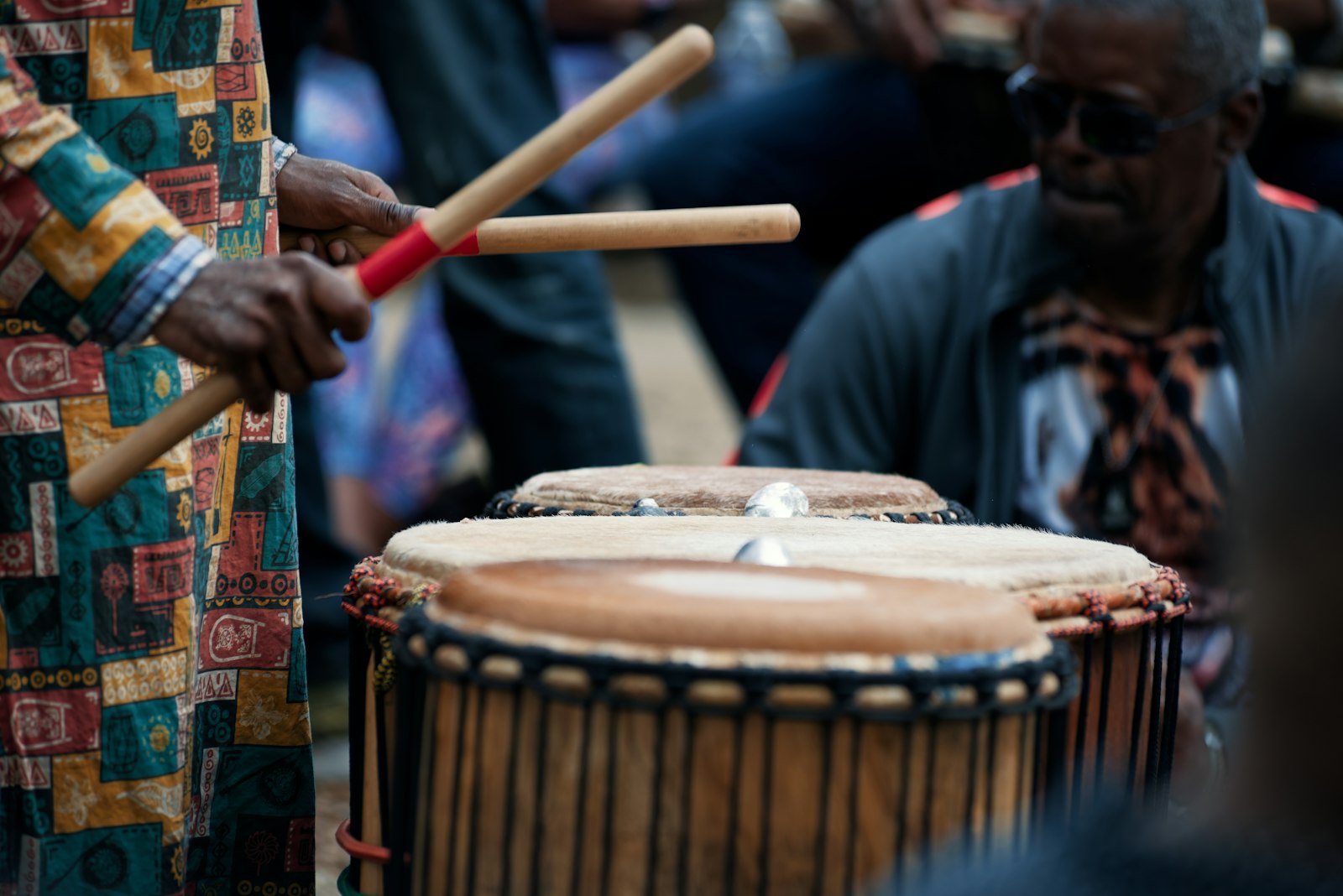
There is something primal and profoundly healing about the sound of a drum. When people gather in a circle to share a pulse, the barriers of language, age, and background melt away. If you have ever felt the urge to bring this rhythmic magic to your neighborhood, you are in the right place. To organize a drum circle is to act as a bridge-builder, creating a space where the 'community soul' can express itself.
Whether you are a seasoned percussionist or a passionate hobbyist, starting a circle requires more than just a few djembes and a park bench. It requires intention, preparation, and a heart for service. In this guide, we will walk you through every step of the process, from choosing the right instruments to fostering an inclusive atmosphere.
1. Define Your Vision and Purpose
Before you send out the first invite, ask yourself: what is the goal of this circle? Not all gatherings are created equal. Some are focused on technical mastery, while others prioritize spiritual connection or pure recreational fun.
- Community Spirit Circles: Often held in public parks or community centers, these are open to everyone, including children and beginners. The focus is on connection.
- Facilitated Circles: These involve a leader who uses signals to guide the rhythm, helping the group transition between different beats and dynamics.
- Spirituality & Healing Circles: Often timed with the full moon or changing seasons, these may incorporate meditation and frame drums.
- Technical Jam Sessions: Best for those who already know their way around a conga or doumbek and want to practice complex polyrhythms.
2. Finding the Perfect Venue
Location is everything when you organize a drum circle. You need a spot that is accessible but also 'drum-friendly' regarding noise levels. Hand drums carry a long distance, and what sounds like a joyful celebration to you might sound like a nuisance to a neighbor.
Consider local parks (check for permit requirements), community centers, yoga studios, or even backyards. Ensure there is enough space for people to sit in a physical circle—this shape is vital as it allows every participant to see and hear one another equally. If you are looking for inspiration, you can browse existing events to see where others in your area are gathering.
3. Gathering Your Instruments
While many participants will bring their own gear, a great organizer usually provides a 'rhythm kit' for those who are new to the craft. A diverse selection of instruments ensures a rich, textured sound.
- The Bass: Every circle needs a heartbeat. This is usually provided by large dununs (African bass drums) or deep-tuned djembes.
- The Mid-Range: Djembes, congas, and ashikos provide the melodic 'meat' of the rhythm.
- The High-End: Doumbeks and darbukas add sharp, crisp accents.
- Small Percussion: Don't forget the 'toys.' Shakers, cowbells, woodblocks, and tambourines allow beginners to jump in without feeling intimidated by a large drum.
If your group grows and people want to deepen their skills, you might suggest they look for drum teachers to learn specific cultural techniques.
4. Setting the Ground Rules (Etiquette)
A successful drum circle relies on a few unwritten rules that keep the music from turning into noise. As the organizer, it is your job to gently communicate these:
- Listen as much as you play: The goal is to blend with the group, not drown them out.
- Support the beat: If you get lost, stop and listen for the bass drum (the pulse) before re-entering.
- Ask before playing someone else’s drum: Many drummers view their instruments as sacred personal items.
- Respect the 'Center': The middle of the circle is for dancers or shared energy—not a place to put your coffee cup or gear bags.
5. Facilitation: To Guide or Not to Guide?
When you organize a drum circle, you must decide how much 'control' you want to exert. A 'facilitator' is not a conductor in the traditional sense; they are more like a host. They might use a simple hand signal to indicate a 'stop' (a 'heart-beat' finish) or use call-and-response to change the energy.
If you are new to leading, start simple. Begin with a basic 4/4 pulse. Let it settle for a few minutes until everyone is in sync. Then, encourage small groups to take 'solos' or invite the circle to bring the volume down to a whisper before building back up to a roar.
6. Promoting Your Circle
Once the logistics are set, you need to find your tribe. Social media is a powerful tool, but don't underestimate the power of a physical flyer at a local music shop or health food store. Word of mouth is the lifeblood of the drumming community.
Consistency is key. Whether it is once a month or once a week, having a regular schedule helps people build the circle into their lives. If you want to reach a wider audience, make sure to list your gathering on the Drum Circle Directory so travelers and locals alike can find you.
7. Overcoming Common Challenges
Every organizer faces a few hiccups. Perhaps one drummer is playing too loudly and out of sync, or the energy feels flat.
- The 'Volume Hog': Approach them with a smile and suggest, "Let's see how quiet we can get this rhythm so we can hear the shakers."
- The 'Drifting' Tempo: Use a cowbell or a steady bass drum to anchor the group back to the original pulse.
- Low Attendance: Don't be discouraged. Even a circle of three people can create a powerful resonance. Focus on the quality of the connection rather than the quantity of people.
As your community grows, you might even consider organizing larger drumming retreats to bring people together for an immersive weekend of rhythm.
Find a drum circle near you at /drum-circles.
Frequently asked
- Do I need to be a professional drummer to organize a drum circle?
- Absolutely not. While basic rhythm skills help, the most important trait for an organizer is the ability to hold space and welcome others. Many successful circles are started by enthusiasts who simply love the community aspect of drumming.
- What is the best time of day for a drum circle?
- Late afternoon or early evening is usually best, especially for outdoor circles. This allows for a 'sundown' vibe where the energy can transition from high-intensity play to a more grounded, meditative finish as the light fades.
- How do I handle people who don't have a drum?
- Always try to have a 'loaner pile' of extra percussion. Simple items like egg shakers, rhythm sticks, or inexpensive plastic buckets can ensure that no one feels left out of the experience.
Find a drum circle near you
Browse hundreds of circles, teachers and rhythm community gatherings.
Explore drum circles