
A Guide to the Outdoor Drum Circle Asheville Community
Experience the pulse of the Blue Ridge Mountains through the legendary outdoor drum circle in Asheville, a weekly gathering of rhythm and community.
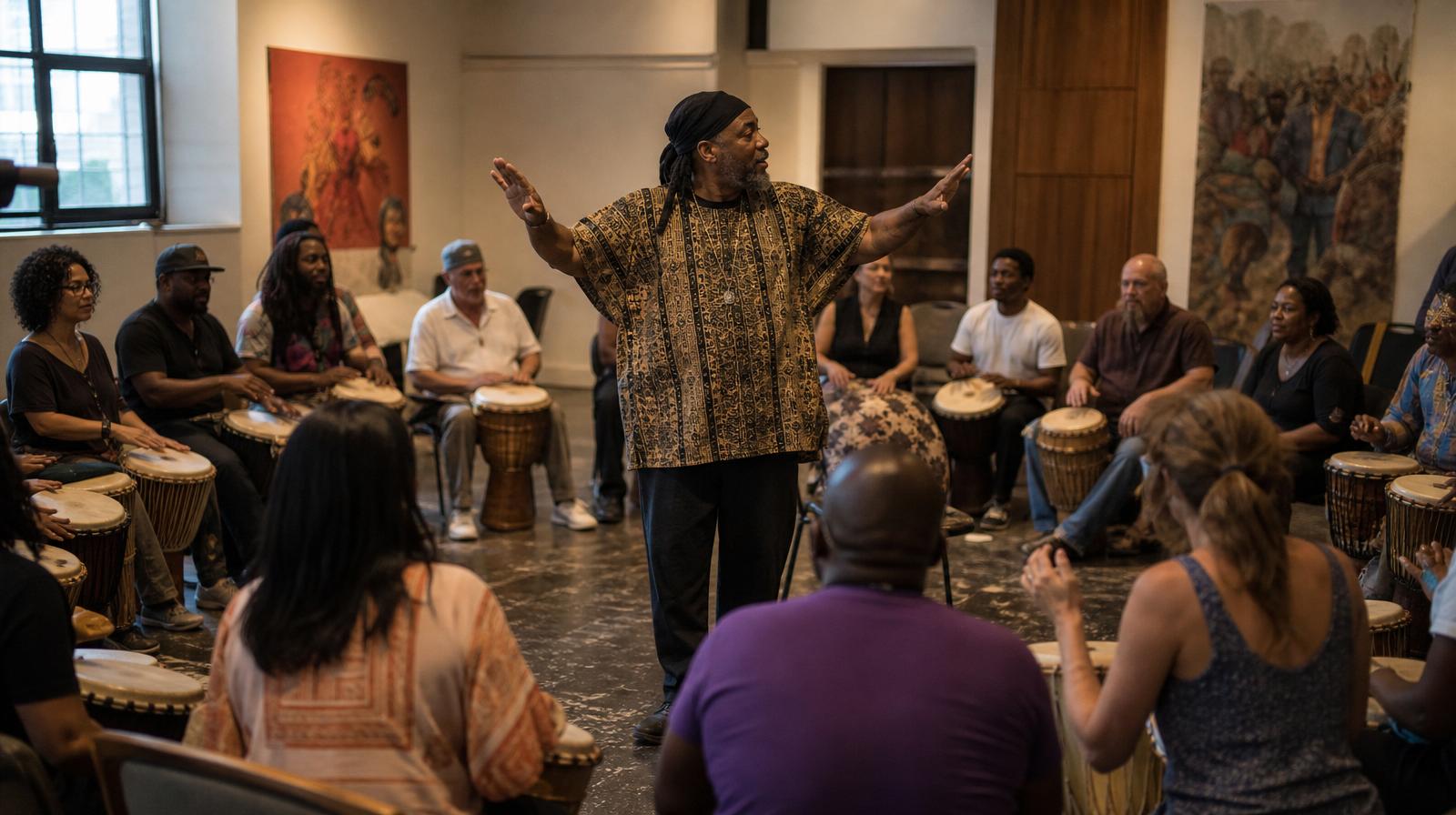
If you find yourself in downtown Asheville on a Friday evening between April and October, you don’t need a map to find the heart of the city. You only need to follow your ears. The steady, resonant thump of the outdoor drum circle Asheville tradition has become a cornerstone of Western North Carolina culture, drawing hundreds of locals and tourists alike into a swirling vortex of rhythm, dance, and mountain magic.
Nestled in the amphitheater-style seating of Pritchard Park, this gathering is more than just a musical performance; it is a living, breathing example of community harmony. Whether you are a seasoned percussionist with a professional-grade djembe or a curious traveler who has never touched a drum, the Asheville circle offers a unique window into the power of collective beat.
The History of the Pritchard Park Drum Circle
What started decades ago as a small, informal gathering of a few friends has blossomed into a world-renowned weekly event. The Asheville drum circle is entirely organic—there is no official organizer, no paid performers, and no set list. It is a grassroots phenomenon that reflects the city’s bohemian spirit and its long-standing appreciation for the arts.
As the sun begins to dip behind the Blue Ridge Mountains, the first few drummers arrive. A lone conga or a pair of dunun might start a simple 4/4 pulse. Within an hour, the park is packed. The acoustics of the surrounding brick buildings and the natural slope of the park create a "bowl" of sound that can be heard blocks away.
What to Expect: The Sights and Sounds
The diversity of instruments at an outdoor drum circle in Asheville is staggering. While the djembe is the most common sight due to its volume and versatility, you will also hear:
- Congas and Bongos: Providing the melodic, mid-range tones.
- Doumbeks: Adding sharp, metallic pops and intricate Middle Eastern rhythms.
- Frame Drums: Often played by those seeking a more meditative, earthy vibration.
- Percussion Toys: Look for shakers, cowbells, woodblocks, and tambourines filling in the gaps between the main beats.
Beyond the instruments, the center of the circle is often filled with dancers. From toddlers taking their first rhythmic steps to flow artists with hula hoops, the movement is as much a part of the experience as the music itself. The energy is infectious, often peaking just as the streetlights flicker on.
Essential Etiquette for Newcomers
Asheville is known for its welcoming vibe, but like any community gathering, the drum circle has its own unwritten rules. If you’re planning to join in, keep these tips in mind to ensure a positive experience for everyone:
- Listen Before You Leap: When you first arrive, take five minutes to just listen. Identify the main pulse. Don't try to change the rhythm; try to support it.
- Ask Before Playing Someone Else’s Drum: Many of these instruments are handmade and expensive. If you see a drum sitting unattended, don't assume it's for public use.
- Support the Groove: If you aren't an experienced drummer, stick to a simple, steady beat. The "heartbeat" (two low tones) is always a safe bet. Avoid playing too loudly or too fast, which can derail the collective flow.
- Respect the Dancers: The center space is for movement. Be mindful of your sticks or hands so you don't accidentally strike someone passing by.
- Leave No Trace: Pritchard Park is a public gem. Make sure to pack out whatever you bring in, from water bottles to snack wrappers.
Why Asheville is a Hub for Rhythm
Asheville’s reputation as a drumming mecca extends beyond the Friday night park sessions. The region is home to numerous drum schools and world-class facilitators who believe in the healing power of rhythm. The local culture prioritizes wellness, and many participants view the circle as a form of "rhythm therapy."
Scientific studies have shown that group drumming can reduce stress, boost the immune system, and create a sense of belonging. In a world that is increasingly digital, the tactile, analog experience of hitting a drum head in unison with fifty other people provides a powerful grounding effect. This is why many people travel from across the country to attend drumming retreats in the surrounding mountains.
Beyond Pritchard Park: Other Local Gatherings
While the Friday night outdoor drum circle in Asheville is the most famous, it isn't the only game in town. Depending on the season and the lunar cycle, you might find:
- Full Moon Circles: Often held at more secluded spots or private residences, these are usually more spiritual and meditative in nature.
- Family-Friendly Circles: Some local community centers host afternoon sessions specifically designed for kids and seniors.
- Indoor Jams: During the cold winter months, the rhythm moves inside to local breweries or community halls, ensuring the beat never truly stops.
If you're looking to improve your skills before jumping into the main circle, there are several talented drum teachers in the area who offer private lessons in West Asheville and Black Mountain.
Planning Your Visit
If you are visiting Asheville specifically for the drum circle, here are a few logistical tips:
- Timing: The circle usually starts around 6:00 PM and runs until about 10:00 PM. Arrive early if you want a seat on the stone benches.
- Parking: Downtown parking can be tricky on Friday nights. Look for the Wall Street Garage or the Rankin Avenue Garage, both of which are a short walk from Pritchard Park.
- Weather: The circle is weather-dependent. If there is a heavy downpour, the drummers will likely pack up to protect their wooden shells and skin heads.
- Accessibility: Pritchard Park is wheelchair accessible, with paved walkways and ramps leading into the amphitheater area.
The Spirit of the Blue Ridge
There is something visceral about drumming in the mountains. Perhaps it’s the way the sound echoes off the ancient peaks or the long history of Appalachian folk music that permeates the air. Whatever the reason, the outdoor drum circle in Asheville remains one of the purest expressions of the city's identity.
It is a place where socioeconomic boundaries disappear. You’ll see business professionals in suits standing next to backpackers, and lifelong residents sharing a beat with first-time visitors. In that circle, the only thing that matters is the rhythm.
Find a drum circle near you and join the global community of rhythm makers.
Frequently asked
- When does the Asheville drum circle take place?
- The main outdoor drum circle takes place every Friday night at Pritchard Park in downtown Asheville. It typically runs from April through October, starting around 6:00 PM and ending at 10:00 PM.
- Do I need to bring my own drum to the Asheville circle?
- While many participants bring their own djembes or congas, it is not strictly required. You are welcome to come just to watch or dance. Occasionally, community members may have extra percussion instruments to share, but it's best to bring your own if you definitely want to play.
- Is the Asheville drum circle family-friendly?
- Yes, the gathering is very family-friendly. You will often see children dancing in the center of the circle or playing small hand percussion. However, be aware that it can get quite loud and crowded as the evening progresses.
- What happens to the drum circle in the winter?
- During the colder months (November through March), the outdoor sessions at Pritchard Park go on hiatus. However, the community often moves to indoor venues, local studios, or breweries to keep the rhythm going until spring.
Find a drum circle near you
Browse hundreds of circles, teachers and rhythm community gatherings.
Explore drum circles