What is Participatory Music? A Guide to Community Rhythm
Discover the transformative power of participatory music, where the boundary between performer and audience disappears in the heartbeat of the drum.
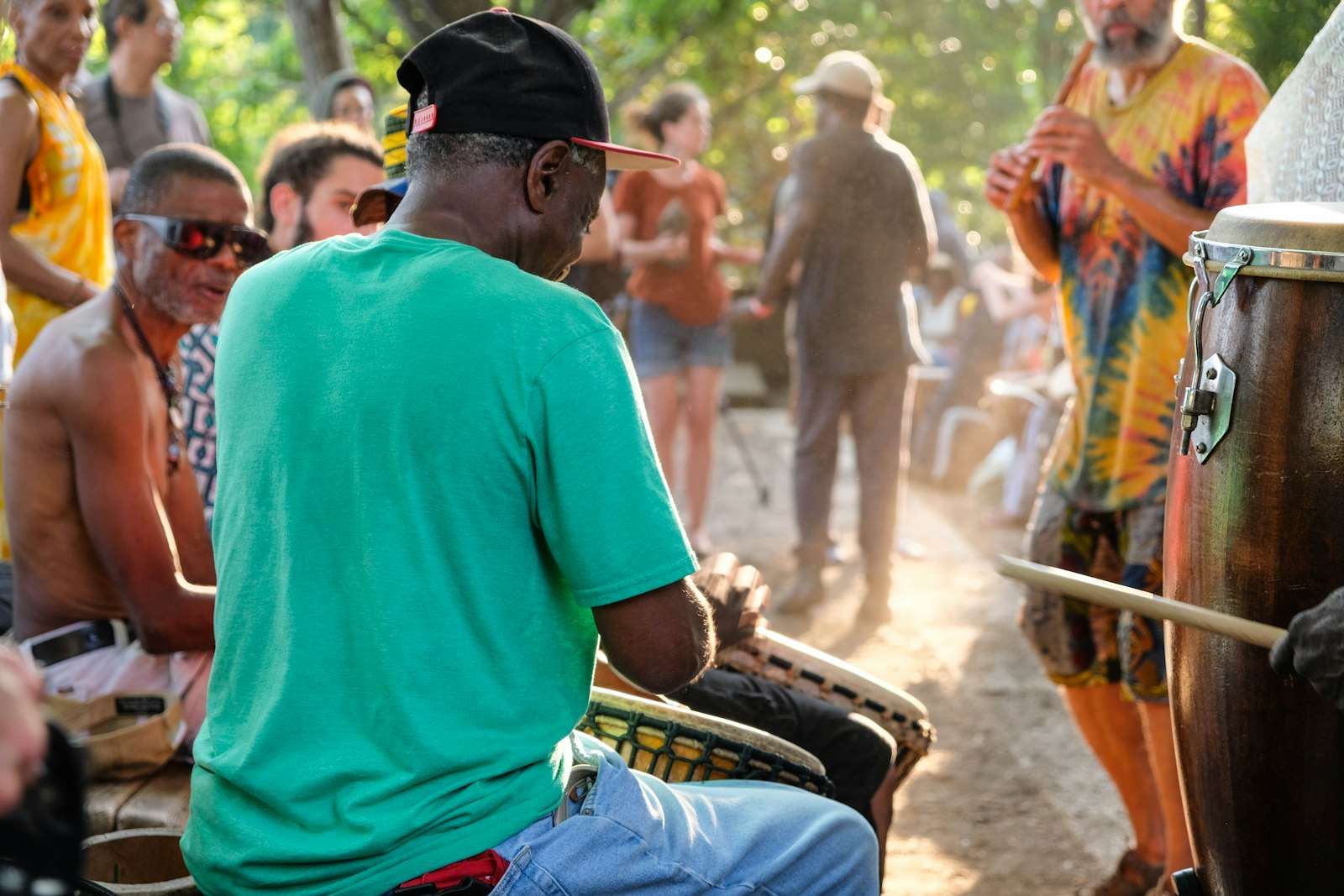
In most modern musical settings, there is a clear divide. There is a stage for the performers and a dark room for the audience. One group provides the art; the other consumes it. But there is another way—a more ancient, inclusive, and deeply human way of making sound. This is known as participatory music.
Participatory music is a style of creative expression where the primary goal is not to put on a show, but to involve everyone present in the act of creation. In these spaces, there are no spectators, only participants. Whether you are a master of the djembe or someone who has never touched a percussion instrument in your life, you have a vital role to play in the collective sound.
The Core Philosophy: Connection Over Perfection
At its heart, participatory music is about social connection. Ethnomusicologist Thomas Turino, who popularized the term, distinguishes this from "presentational music." While presentational music focuses on high-fidelity performance and technical mastery for an audience, participatory music focuses on the quality of the experience for the players.
In a drum circle, for example, the success of the evening isn't measured by whether every note was perfect. It is measured by the "groove"—that intangible moment when the group enters a state of flow. When a dozen different rhythms on congas, doumbeks, and frame drums lock into a single, driving pulse, the individual ego fades away, replaced by a powerful sense of community belonging.
Common Settings for Participatory Music
While this philosophy can apply to many genres, it thrives most naturally in rhythmic and folk traditions. Here are some of the most common places you will encounter it:
- Community Drum Circles: These are perhaps the purest form of participatory music. Often held in parks, community centers, or at local events, these gatherings welcome all ages and skill levels.
- Full Moon Gatherings: Many rhythm communities host outdoor circles timed with the lunar cycle, emphasizing a connection to nature and spiritual grounding.
- Family-Friendly Circles: These events often use accessible instruments like shakers, bells, and boomwhackers to ensure children and seniors can contribute to the soundscape.
- Traditional Folk Jams: From Irish sessions to Old-time fiddle meets, these gatherings prioritize a shared repertoire where anyone who knows the tune can join in.
- Rhythm-Based Retreats: For those looking to dive deeper, drumming retreats offer immersive environments to learn the nuances of participatory leadership.
The Instruments of the Circle
One of the reasons participatory music is so accessible is the intuitive nature of percussion. You don't need years of theory to contribute a steady pulse. Common instruments you’ll see include:
- Djembe: The versatile "king" of the drum circle, capable of deep bass notes and sharp, cracking slaps.
- Dunun: These large, cylindrical drums provide the melodic and rhythmic foundation (the "heartbeat") for West African ensembles.
- Congas and Bongos: Bringing a melodic, Afro-Cuban flair to the texture of the circle.
- Frame Drums: One of the world's oldest instruments, often played with a light touch or a small mallet.
- Auxiliary Percussion: Cowbells, woodblocks, shekeres, and tambourines add the "seasoning" to the rhythmic stew.
The Role of the Facilitator
In many participatory settings, especially larger ones, a drum circle facilitator helps guide the energy. Unlike a conductor who demands strict adherence to a score, a facilitator uses body language and verbal cues to encourage the group. They might initiate a call-and-response, suggest a volume change (dynamics), or help the group find a unified ending.
If you find yourself inspired by this leadership style, many drum teachers and specialized drum schools offer training in the art of drum circle facilitation, focusing on how to empower others rather than showcasing one's own talent.
Beginner Etiquette: How to Join In
If you are new to participatory music, the idea of jumping into a group of playing musicians can be intimidating. However, these communities are built on radical inclusion. Following a few simple etiquette tips will help you feel at home:
- Listen First: Before you start playing, take a moment to absorb the pulse. What is the main beat? Where is the "one"?
- Support the Foundation: You don't need to play complex solos. A steady, simple beat that supports the group is always more appreciated than a loud, distracting rhythm.
- Leave Space: Music is made of sound and silence. You don't have to play every single second. Leaving "holes" in your rhythm allows others to be heard.
- Watch the Facilitator: If someone is center-stage guiding the group, keep an eye out for signals to get louder, softer, or stop.
- Respect the Instruments: If you are borrowing a drum, treat it with care. Ask before playing someone else's personal instrument.
The Health and Wellness Benefits
Participatory music isn't just fun; it’s therapeutic. Research has shown that group drumming can reduce cortisol levels, boost the immune system, and provide a healthy outlet for emotional release. Because it requires "active listening" and physical coordination, it acts as a form of mindfulness in motion. For many, the drum circle is a weekly sanctuary—a place to leave the stresses of the modern world behind and reconnect with a primal, rhythmic truth.
Finding Your Rhythm
The beauty of participatory music is that it is a global movement. No matter where you are, there is likely a group of people gathering to share a beat. Whether it's a casual beach fire circle or a structured workshop at a community center, the invitation is always open.
Find a drum circle near you and discover the joy of being part of the song.
Frequently asked
- Do I need to be a musician to join a participatory music event?
- Absolutely not. The defining characteristic of participatory music is that it is designed for everyone, regardless of musical background. Most drum circles welcome complete beginners and provide instruments for those who don't own one.
- What is the difference between a drum circle and a band?
- A band is typically a presentational group that rehearses specific songs to perform for an audience. A drum circle is participatory, meaning the music is improvised in the moment and the people present are playing for their own enjoyment and community connection.
- What should I bring to my first drum circle?
- If you have a drum, bring it! If not, many circles have 'community tubs' of extra percussion. It's also a good idea to bring water, a comfortable chair (if it's an outdoor event), and an open mind. Always check the event listing on the Drum Circle Directory for specific requirements.
- Is participatory music the same as a jam session?
- They are related, but jam sessions can sometimes be 'presentational' or exclusionary if the skill level required is very high. Participatory music specifically aims to lower the barrier to entry so that everyone can contribute meaningfully to the sound.
Find a drum circle near you
Browse hundreds of circles, teachers and rhythm community gatherings.
Explore drum circles