Percussion Classes Near Me: Find Your Rhythm Today
Discover the joy of rhythm with our guide to finding local percussion classes, from djembe basics to advanced conga techniques.
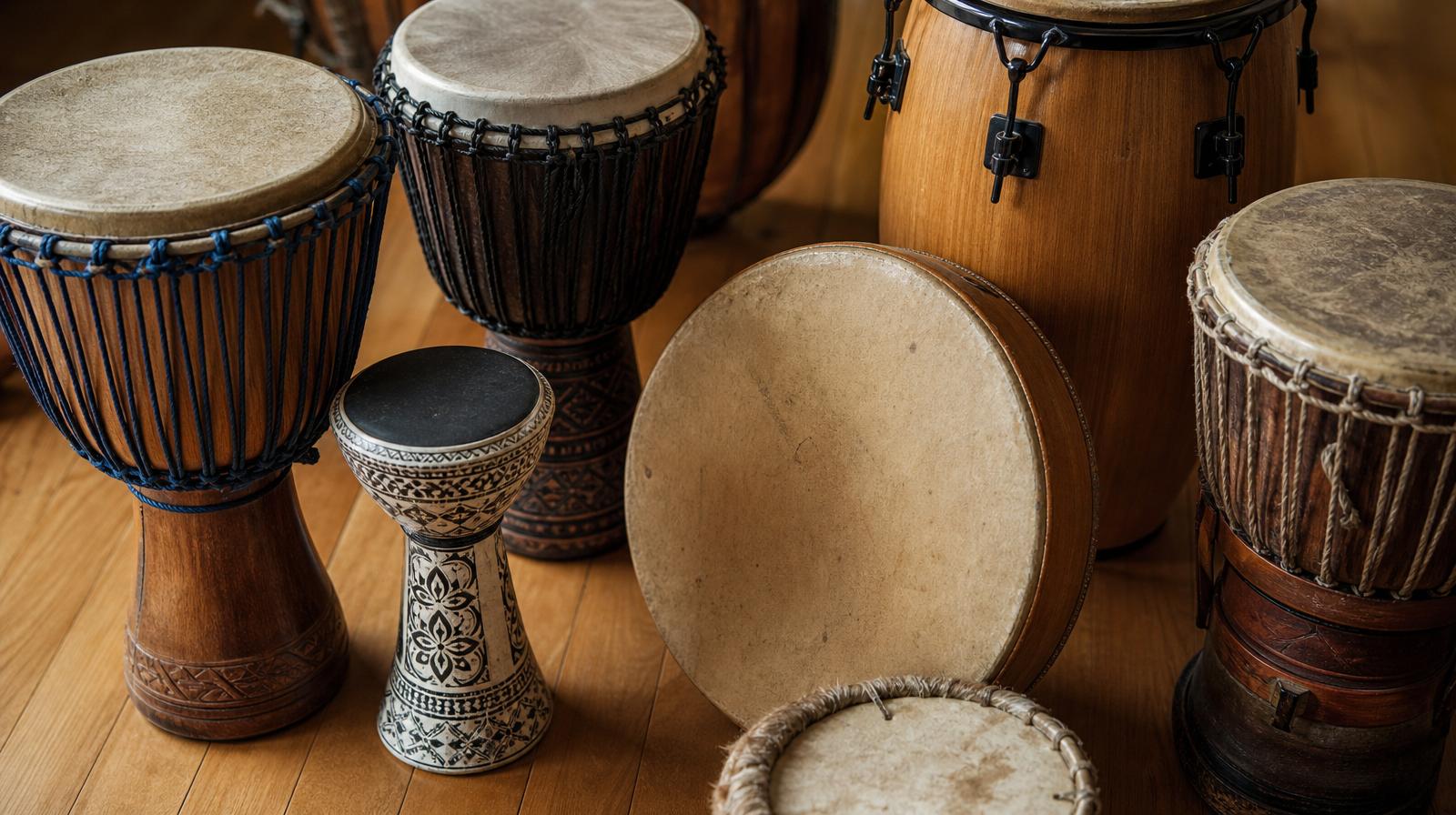
There is a primal, undeniable pull to the sound of a drum. Whether it is the deep, resonant bass of a djembe or the sharp, melodic slap of a doumbek, percussion speaks a universal language. If you have found yourself searching for "percussion classes near me," you are likely looking for more than just a music lesson; you are looking for a way to connect with your own internal pulse and a vibrant community of like-minded people.
Learning percussion is a physical, mental, and social journey. It is one of the few musical pursuits where you can start with zero experience and feel the thrill of group harmony in your very first session. In this guide, we will explore how to find the right class, what instruments to expect, and how to transition from a student to a confident participant in the global drumming community.
Why Start Your Percussion Journey Now?
In a world that is increasingly digital and disconnected, percussion offers a tactile and grounding escape. Taking a local class provides benefits that go far beyond learning a rhythm. Research has shown that group drumming can reduce stress, improve cognitive function, and even boost the immune system.
When you join a local class, you are also joining a lineage. You aren't just hitting a drum; you are learning the traditional rhythms of West Africa, the Middle East, or the Caribbean. This cultural connection adds a layer of depth to every stroke of the skin.
Choosing the Right Instrument for Your Class
When searching for percussion classes, you will notice that 'percussion' is a broad umbrella. Most local schools and teachers specialize in specific traditions. Here are the most common instruments you will encounter:
- The Djembe: The most popular hand drum globally. Originating from West Africa, it is known for its wide range of tones—bass, tone, and slap. It is the heart of most community drum circles.
- Congas and Bongos: These Afro-Cuban staples are perfect for those who love Latin rhythms. Conga classes often focus on technique, hand endurance, and complex interlocking patterns.
- The Doumbek (or Darbuka): This goblet-shaped drum is the star of Middle Eastern music. It requires intricate finger work and offers a crisp, metallic sound.
- Frame Drums: One of the world's oldest instruments. Often played with the fingers, these drums are popular in meditative and spiritual drumming circles.
- Dunun: These are the cylindrical bass drums that provide the foundation for djembe music, played with sticks rather than hands.
What to Expect in Your First Percussion Class
Walking into a studio for the first time can be intimidating, but the drumming community is famously inclusive. Most beginner classes follow a predictable and welcoming structure:
- The Warm-up: Stretching the hands, wrists, and shoulders to prevent strain.
- Basic Technique: Learning how to sit with the drum and how to strike it to achieve clear, distinct sounds.
- Call-and-Response: The teacher plays a short rhythm, and the class repeats it. This builds listening skills and rhythmic memory.
- Layered Rhythms: The class is divided into sections, each playing a different part that fits together like a puzzle.
- The Groove: Once the parts are locked in, the class experiences the 'groove'—that magical moment where the group feels like a single heartbeat.
If you are ready to take the leap, you can browse our curated list of drum schools to find a curriculum that fits your schedule and musical interests.
Finding the Best Percussion Teachers Near You
While YouTube tutorials are a great supplementary tool, nothing beats the real-time feedback of a master drummer. A teacher can correct your hand positioning to prevent injury and help you understand the subtle nuances of timing that a video simply cannot convey.
When looking for drum teachers, consider their background. Are they focused on traditional folk rhythms, or do they teach contemporary pop and rock percussion? Do they offer group classes or private one-on-one sessions? For many beginners, group classes are the best way to start because they simulate the environment of a real drum circle.
Moving from the Classroom to the Circle
Once you have mastered the basics of your instrument, the next natural step is to join a community gathering. This is where your practice truly comes to life. Drum circles are informal gatherings where people of all skill levels come together to improvise and share rhythms.
Many students find that attending a drum circle helps them relax and play more intuitively. It takes the pressure off 'getting it right' and focuses on 'feeling the music.' It is also the best place to meet other local drummers and find out about upcoming workshops or events in your area.
Tips for Your Percussion Practice at Home
To make the most of your classes, consistent practice is key. You don't need to practice for hours; even fifteen minutes a day can yield significant results.
- Use a Metronome: Timing is everything in percussion. Practicing with a metronome helps you develop a rock-solid internal clock.
- Record Yourself: Listening back to your playing can reveal timing issues or muffled tones that you might not notice while you are in the middle of playing.
- Sing the Rhythms: If you can say it, you can play it. Many West African traditions use vocables to teach rhythms. Try 'Ta-Ka-Di-Mi' or similar systems to internalize the beat.
- Stay Relaxed: Tension is the enemy of good tone. Keep your shoulders down and your hands loose.
Taking It to the Next Level: Retreats and Intensives
For those who have caught the 'drumming bug' and want to dive deeper, consider looking into drumming retreats. These intensives often take place in beautiful, nature-focused settings and allow you to spend several days immersed in rhythm, often learning from world-renowned master drummers. It is a transformational experience that can fast-track your skills and provide a profound sense of renewal.
Conclusion: Your Rhythmic Path Awaits
Whether you are looking for a new hobby, a way to reduce stress, or a deep dive into world cultures, percussion classes offer a gateway to a more vibrant life. The beat is already inside you; a class simply helps you find the tools to express it. Don't wait for the 'perfect' time to start. Grab a drum, find a teacher, and let the rhythm lead the way.
Find a drum circle near you and start making music today!
Frequently asked
- Do I need to own a drum to take a percussion class?
- Most beginner-level percussion classes and schools provide instruments for students to use during the lesson. However, it is always a good idea to check with the instructor beforehand, as some may require you to eventually purchase your own djembe or conga for home practice.
- Are percussion classes suitable for people with no musical background?
- Absolutely. Percussion is one of the most accessible forms of music. Many classes are designed specifically for 'rhythmically challenged' beginners, focusing on simple patterns and the physical joy of drumming rather than complex music theory.
- How long does it take to learn hand drumming?
- While you can learn a basic groove in your first hour, mastering hand percussion is a lifelong journey. Most students feel comfortable participating in a community drum circle after 4 to 8 weeks of consistent weekly classes.
- What is the difference between a drum lesson and a drum circle?
- A drum lesson or class is a structured environment with a teacher focusing on technique and specific rhythms. A drum circle is a more informal, community-led gathering focused on improvisation, connection, and the collective experience of playing together.
Find a drum circle near you
Browse hundreds of circles, teachers and rhythm community gatherings.
Explore drum circles