Percussion Event Calendar: Find Your Next Rhythm Gathering
Discover how to navigate a percussion event calendar to find djembe workshops, full moon drum circles, and rhythm retreats in your local community.
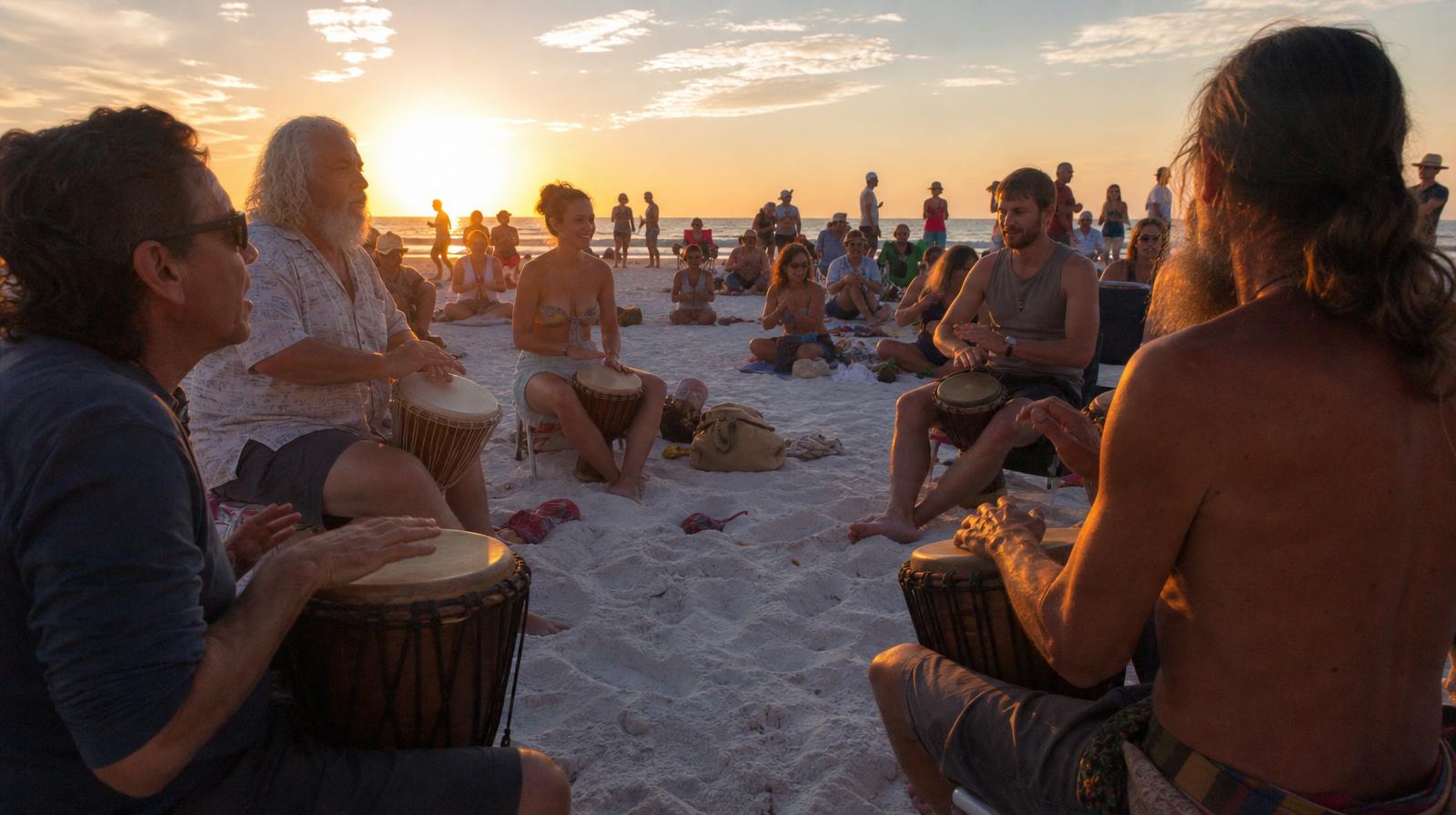
There is a unique magic that happens when a group of people comes together to share a heartbeat. Whether it is the resonant pulse of a djembe, the sharp slap of a conga, or the melodic ring of a frame drum, participating in a live rhythm event is a transformative experience. However, for many enthusiasts, the hardest part isn't learning the rhythm—it’s finding out where and when the music is happening.
Navigating a percussion event calendar is the first step toward moving from solo practice in your living room to the vibrant energy of a community circle. From local park meetups to international percussion festivals, understanding how to find and choose the right event can elevate your journey as a drummer.
Why Follow a Percussion Event Calendar?
For the modern drummer, staying connected to the community is vital for growth. A dedicated event calendar serves as more than just a schedule; it is a roadmap for your musical development. By tracking upcoming events, you can:
- Diversify Your Skills: Find workshops focusing on specific instruments like the doumbek or dununs.
- Network with Facilitators: Meet experienced leaders who can help you refine your technique.
- Experience Different Styles: Transition from structured drumming retreats to the spontaneity of a community jam.
- Stay Consistent: Regular attendance at monthly full-moon circles or weekly library jams keeps your hands in shape.
Types of Events You’ll Find
Not all percussion events are created equal. Depending on your goals, you might look for different formats on a percussion event calendar.
Community Drum Circles
These are often the most accessible events. Usually family-friendly and open to all skill levels, community circles focus on the "spirit of the moment." They are excellent places to practice basic etiquette, such as listening as much as you play and following the lead of a facilitator.
Specialized Workshops and Masterclasses
If you want to dive deep into the polyrhythms of West Africa or the intricate finger-tapping techniques of the Middle East, look for workshops. These are often hosted by drum teachers or visiting masters and provide structured learning environments.
Rhythm Festivals and Retreats
For those looking for an immersive experience, multi-day festivals offer a chance to live and breathe rhythm. These events often include camping, multiple stages, and intensive breakout sessions for various instruments, from the cajon to the hang drum.
How to Choose the Right Event for Your Skill Level
It can be intimidating to walk into a circle for the first time. When browsing a percussion event calendar, look for keywords that indicate the vibe of the gathering.
- "All Levels Welcome": This is the gold standard for beginners. It implies a welcoming atmosphere where the focus is on inclusion rather than technical perfection.
- "Advanced/Intermediate": These sessions might focus on specific traditional rhythms (like Kuku or Moribayassa) and expect participants to hold a steady pulse without assistance.
- "Facilitated": A facilitated circle has a leader who uses hand signals to manage volume, tempo, and call-and-response sections. This is perfect for those who want a bit of guidance.
Essential Gear for Your Next Event
Once you’ve found an interesting date on the calendar, it’s time to pack your gear bag. While many community circles provide extra instruments, bringing your own ensures you have a voice you’re comfortable with.
- Your Primary Instrument: Whether it's a djembe, conga, or a set of bongo drums.
- Small Percussion: Shakers, bells, and woodblocks are essential for adding texture and helping the group maintain the "downbeat."
- Comfort Items: A low-profile drum stool or a folding chair, ear protection (especially for indoor events), and plenty of water.
- Protection: A padded gig bag to keep your drum head safe during transport.
Etiquette for Percussion Gatherings
Every event has its own unwritten rules, but a few universal truths apply to almost every entry on a percussion event calendar. First, always respect the lead drummer or facilitator. If they signal for a fade-out, follow suit. Second, be mindful of volume; if you can’t hear the person next to you, you’re likely playing too loud. Lastly, ask before playing someone else’s drum. Many practitioners consider their instruments to be deeply personal tools.
Finding Local Circles and Schools
If your local calendar looks a bit thin, don't lose heart. Many of the best rhythm experiences are found through drum schools that host private student recitals or community outreach days. Engaging with these local hubs is the best way to stay informed about "secret" jams that might not make it onto the larger public calendars.
Find a drum circle near you and start filling your personal calendar with rhythm today.
Frequently asked
- What should I bring to my first drum circle?
- Bring a hand drum like a djembe or conga if you have one, but many circles provide 'loaner' instruments. Also, pack a comfortable chair, water, and ear protection, as group drumming can get surprisingly loud in enclosed spaces.
- Are percussion events suitable for children?
- Most community drum circles are family-friendly and encourage all ages to participate. However, it is always best to check the specific event listing on the percussion event calendar to see if it is designated as an 'all-ages' or 'adult-only' session.
- Do I need to be a professional to attend a percussion workshop?
- No, many workshops are designed specifically for beginners to teach foundational strokes and rhythms. Look for 'introductory' or 'beginner' tags on the event description to ensure the pace matches your current skill level.
Find a drum circle near you
Browse hundreds of circles, teachers and rhythm community gatherings.
Explore drum circles