
Percussion Festival Guide: Celebrate the World's Rhythms
Discover the magic of a percussion festival, from community drum circles to masterclasses with world-renowned rhythm experts.
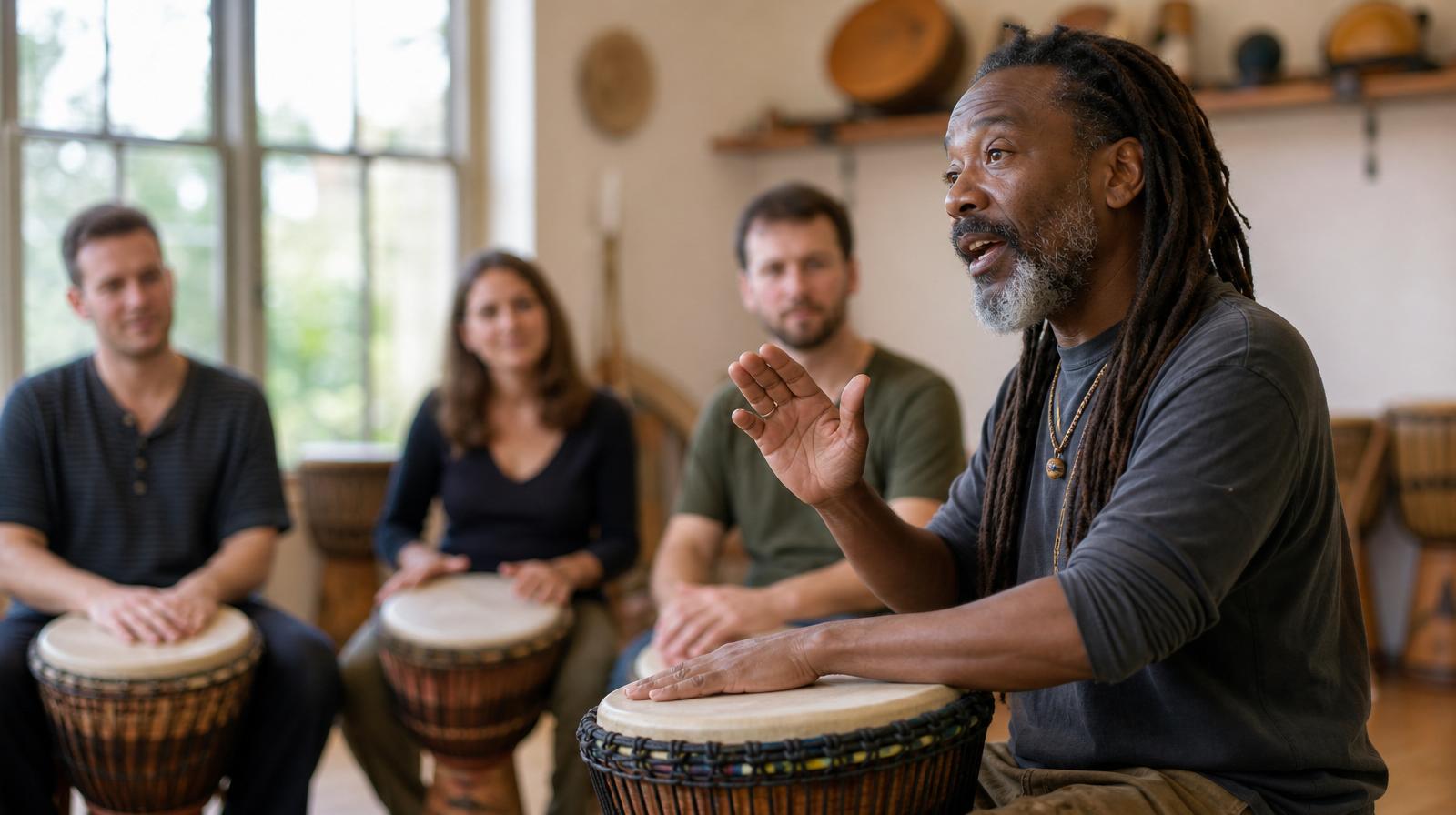
There is something primal and transformative about the sound of a hundred drums beating in unison. A percussion festival is more than just a series of concerts; it is a pilgrimage for rhythm seekers. Whether you are a seasoned pro with a custom-carved djembe or a curious beginner looking to strike your first frame drum, these gatherings offer a unique space to connect, learn, and vibrate with the heartbeat of the community.
At Drum Circle Directory, we believe rhythm is a universal language. In this guide, we explore what makes a percussion festival special, the instruments you’ll encounter, and how to make the most of your first rhythmic retreat.
What Exactly is a Percussion Festival?
A percussion festival is a dedicated event—ranging from a single day to a full week—focused entirely on the art of drumming and rhythmic movement. Unlike standard music festivals where you might stand far from a stage, percussion festivals are inherently participatory.
You can expect a mix of:
- Mainstage Performances: Showcasing masters of the conga, tabla, or marimba.
- Hands-on Workshops: Small group sessions where you learn specific techniques or traditional rhythms like the Moribayassa or Kuku.
- Community Drum Circles: Facilitated jams where everyone is invited to contribute to the collective groove.
- Vendor Villages: Places to try out new dunun sets, artisan-made doumbeks, or professional-grade shakers.
The Instruments of the Festival
Walking through the grounds of a percussion festival is like taking a sonic tour of the globe. You will encounter a diverse array of instruments, each with its own history and voice.
West African Traditions
The djembe is often the star of the show. Known for its wide range of tones—from deep, resonant bass to sharp, cracking slaps—it is a staple in community circles. Accompanying the djembe are the dunun (the dundunba, sangban, and kenkeni), the bass drums that provide the melodic heartbeat of West African rhythm.
Afro-Cuban and Latin Rhythms
You will likely hear the melodic pulse of congas and bongos. These instruments require precise finger and palm techniques. Many festivals offer specific clinics on the clave—the rhythmic pattern that serves as the foundation for salsa, son, and Afro-Cuban jazz.
Middle Eastern and Frame Drums
For those who prefer a more meditative or intricate style, the doumbek (or darbuka) and various frame drums (like the tar or riq) offer incredible nuance. Frame drumming workshops often focus on the spiritual and ancient roots of rhythm, perfect for those seeking a deeper connection.
Why You Should Attend a Percussion Festival
Accelerate Your Learning
There is no substitute for immersive learning. Spending a weekend at a percussion festival can be the equivalent of six months of private lessons. You are surrounded by expert drum teachers who can correct your posture, refine your stroke, and introduce you to complex polyrhythms in real-time.
Find Your Tribe
Drumming can sometimes feel like a solitary hobby if you only practice at home. Festivals remind us that rhythm is social. You’ll meet people from all walks of life—doctors, students, retirees, and professional musicians—all united by the pulse. Many lifelong friendships and touring bands have been formed in the late-night fire circles of a rhythm retreat.
Health and Wellness Benefits
It’s scientifically proven that drumming reduces stress and boosts the immune system. The communal aspect of a festival amplifies these effects. The "group entrainment" that happens during a large-scale drum circle can lead to a state of flow, leaving participants feeling energized and centered long after the final beat.
Navigating Festival Etiquette
To ensure everyone has a positive experience, there are a few unwritten rules—often called "drum circle etiquette"—to keep in mind:
- Ask Before You Play: If you see someone’s beautiful, hand-carved drum sitting unattended, don’t just start playing it. Many drums are deeply personal and fragile.
- Support the Groove: In a large circle, listen more than you play. If you can’t hear the person next to you, you might be playing too loud. Aim to contribute to the collective sound rather than soloing over it.
- Follow the Facilitator: If the festival has a facilitated circle, keep an eye on the leader. They use hand signals to manage volume, tempo, and "stop-cuts."
- Respect the Space: Many festivals are family-friendly. Keep the energy inclusive and welcoming for beginners and children.
Preparing for Your First Festival
If you’re planning to attend a drumming retreat or festival, a little preparation goes a long way.
- Bring Your Gear: Even if the festival provides some instruments, bringing your own ensures you have a drum you’re comfortable with. Don’t forget a folding chair or a drum strap!
- Protect Your Ears: Hours of high-decibel drumming can take a toll. Invest in high-fidelity earplugs that lower the volume without muffling the tone.
- Stay Hydrated: Drumming is a physical workout. Drink plenty of water and wear comfortable clothing that allows for a full range of arm movement.
- Take Notes: You’ll be exposed to a lot of new information. Bringing a notebook or using your phone to record short snippets of rhythms (with the teacher's permission) will help you practice when you get home.
Finding the Right Festival for You
Not all festivals are the same. Some are highly academic, focusing on the technical mastery of orchestral percussion. Others are "rhythm culture" events that blend drumming with dance, yoga, and fire spinning.
Before booking your ticket, check the lineup of instructors. Are they experts in the specific style you want to learn? Do they offer tracks for beginners? If you are looking for something more local and low-key, you might want to start by searching for drum schools in your area that host smaller, regional gatherings.
Conclusion: Let the Rhythm Move You
A percussion festival is a celebration of the human spirit. It is a place where the ego falls away, and the collective voice of the drum takes over. Whether you are there to master the djembe or simply to soak in the vibrations, you will leave with a renewed sense of connection and a steady beat in your heart.
Ready to find your rhythm? Find a drum circle near you and start your journey today.
Frequently asked
- Do I need to bring my own drum to a percussion festival?
- While many festivals have 'petting zoos' or loaner drums available, it is always best to bring your own if you have one. This ensures you have an instrument that fits your body comfortably and allows you to participate in all workshops without waiting for a turn.
- Are percussion festivals suitable for absolute beginners?
- Yes! Most rhythm festivals are very inclusive and offer 'Intro to Drumming' tracks. These sessions cover basic hand techniques and simple patterns, making it easy for anyone to join the community drum circle by the end of the weekend.
- What should I wear to a drum festival?
- Wear comfortable, breathable clothing that allows you to sit with a drum between your legs. Avoid large rings or bracelets that could damage the drum head or hurt your hands, and choose footwear suitable for dancing or standing on grass.
Find a drum circle near you
Browse hundreds of circles, teachers and rhythm community gatherings.
Explore drum circles