Percussion Jam Near Me: How to Find and Join Your Local
Discover the magic of group rhythm and learn how to find the perfect percussion jam in your neighborhood, regardless of your skill level.
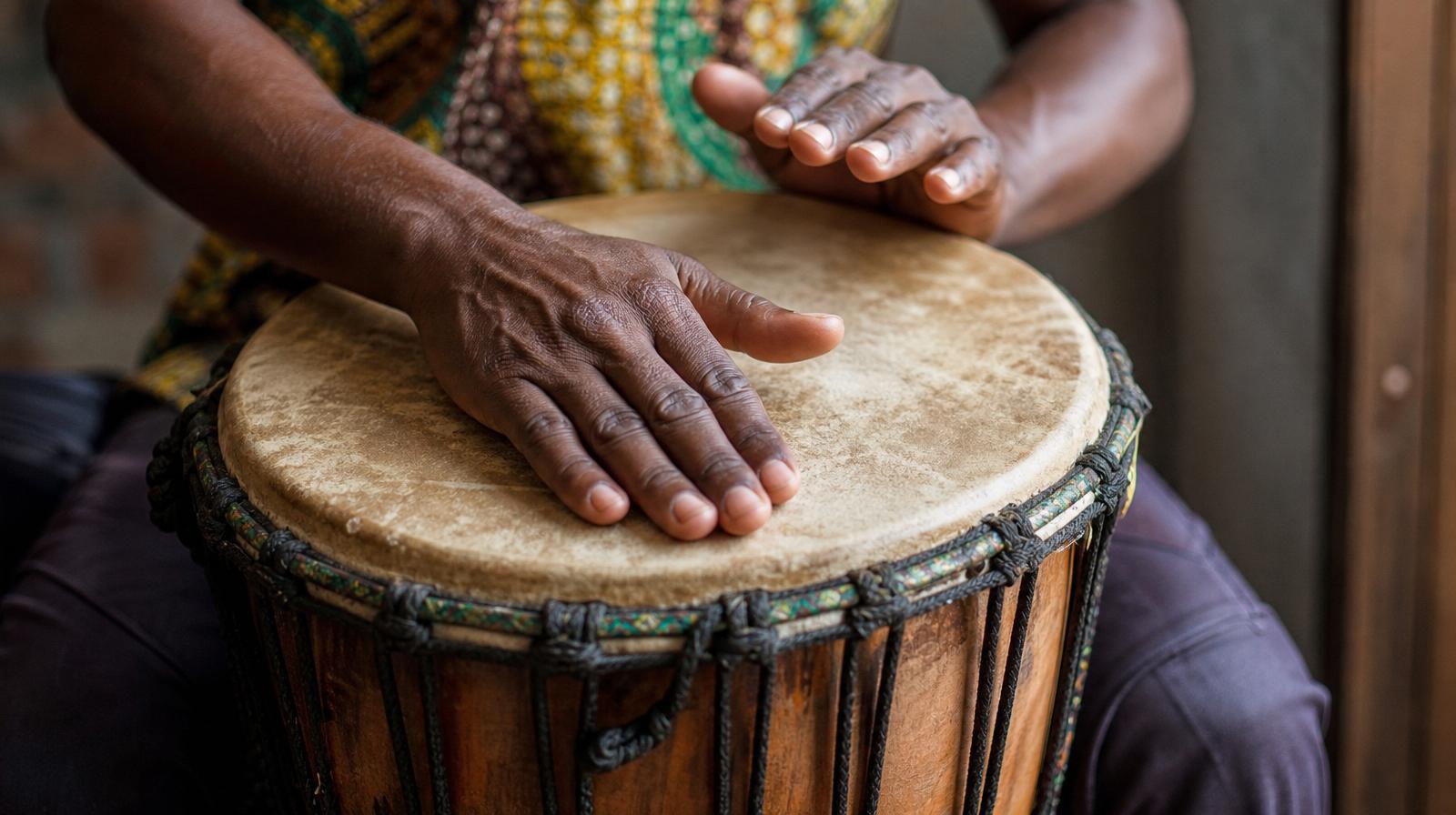
There is something primal and deeply restorative about the sound of a drum. Perhaps you’ve felt it while walking through a city park on a Sunday afternoon, drawn toward the rhythmic pulse of djembes and congas echoing through the trees. Or maybe you have a dusty frame drum in your closet and you're finally ready to see what it sounds like in a group setting.
Searching for a "percussion jam near me" is the first step toward joining a global community of rhythm makers. Whether you are a seasoned percussionist or someone who has never held a pair of sticks, the world of community drumming is open, accessible, and waiting for you to add your unique beat to the mix.
Understanding the Different Types of Percussion Jams
Not all drum gatherings are created equal. Before you pack up your gear, it helps to understand the flavor of the event you are attending. Generally, percussion jams fall into three categories:
- The Facilitated Drum Circle: Led by a trained rhythm facilitator, these circles are designed to be inclusive. The facilitator uses signals to start, stop, and change the tempo, ensuring that everyone—from toddlers to professionals—stays in sync.
- The Organic Community Jam: These are often found at beaches or parks. There is no formal leader; the rhythm evolves naturally. These are great for people who want to experiment with improvisation.
- The Structured Percussion Ensemble: These are usually focused on specific traditions, such as West African djembe and dunun rhythms, Afro-Cuban conga patterns, or Middle Eastern doumbek techniques. These may require a basic understanding of the specific genre.
Essential Instruments for Your First Jam
While many community jams are "come as you are," having your own instrument allows you to explore your personal sound. Here are the most common instruments you’ll encounter at a local percussion jam:
- Djembe: The king of the drum circle. This goblet-shaped West African drum offers deep bass notes and sharp slaps.
- Congas and Bongos: These Afro-Cuban staples provide a melodic, warm tone that keeps the groove grounded.
- Frame Drums: Lightweight and ancient, these are perfect for those who prefer a more meditative or shamanic drumming style.
- Hand Percussion: Never underestimate the power of a shaker, a cowbell, or a tambourine. These instruments provide the "high-end" frequencies that cut through the deep bass of the larger drums.
If you don't own an instrument yet, don't worry. Many drum schools and facilitated circles provide loaner instruments for newcomers.
Drum Circle Etiquette: The Unwritten Rules
To ensure everyone has a great experience, there are a few "rules of the road" for percussion jams. Following these will help you blend in and be invited back:
- Listen More Than You Play: The secret to a great jam isn't how loud you can play, but how well you can hear the people around you. Leave space for others.
- Support the Pulse: Every jam has a heartbeat. Before you try a complex solo, make sure you can hold the basic 4/4 or 6/8 pulse that the group is established on.
- Ask Before Playing Someone Else's Drum: Percussionists are often very protective of their instrument skins. Always ask permission before trying out a neighbor's drum.
- Follow the Facilitator: If there is someone in the center of the circle making hand gestures, pay attention. They are there to make the group sound like a cohesive unit.
The Health and Wellness Benefits of Group Drumming
Searching for a percussion jam near me isn't just about music; it's about well-being. Science has shown that group drumming can reduce stress, lower blood pressure, and boost the immune system. The act of synchronizing your movements with others—a phenomenon known as rhythmic entrainment—releases endorphins and creates a sense of social bonding that is hard to find elsewhere in modern life.
Many people attend drumming retreats specifically to disconnect from the digital world and reconnect with their own internal rhythm. It is a form of active meditation that clears the mind and energizes the body.
How to Find a Percussion Jam Near You
Finding a local rhythm community is easier than it used to be. Here are the best ways to get started:
- Online Directories: Use specialized tools to filter by location. You can find a comprehensive list of drum circles in our global database.
- Local Music Shops: Independent music stores often have bulletin boards where teachers and jam organizers post flyers.
- Public Parks: Check your city’s recreation department website. Many cities host "Full Moon Drum Circles" or family-friendly weekend jams in public spaces.
- Social Media Groups: Search for "Drumming" or "Percussion" followed by your city name on social platforms to find private groups and events.
Transitioning from Jammer to Student
If you find yourself falling in love with the rhythm, you might want to move beyond basic jamming. Taking lessons can unlock new sounds and techniques you didn't know were possible. Connecting with drum teachers allows you to learn the cultural history behind the instruments, ensuring you play with respect and proper form to avoid hand injuries.
Learning the difference between a 'tone' and a 'slap' on the djembe, or how to produce a 'doum' and 'tek' on a doumbek, will significantly increase your confidence when you step back into the circle.
Find a drum circle near you at /drum-circles.
Frequently asked
- Do I need to bring my own drum to a percussion jam?
- It depends on the event. Many facilitated drum circles provide 'loaner' instruments like shakers or djembes for a small fee or for free. However, if you are attending a casual park jam, it is best to bring your own percussion instrument.
- Can beginners join a percussion jam?
- Absolutely! Most community drum circles are 'all-levels' and very welcoming to beginners. The focus is on community and connection rather than musical perfection. Look for events labeled as 'community' or 'facilitated' for the best beginner experience.
- What should I wear to a drum circle?
- Wear comfortable, loose-fitting clothing that allows you to sit with a drum between your legs. Avoid wearing large rings, watches, or bracelets, as these can damage the drum head and hurt your hands while playing.
- Are percussion jams family-friendly?
- Most daytime community jams are very family-friendly and encourage children to participate. However, some late-night or indoor club-based jams may be 18+ or 21+, so it is always a good idea to check the event description beforehand.
Find a drum circle near you
Browse hundreds of circles, teachers and rhythm community gatherings.
Explore drum circles