Percussion Rental Guide: Choosing the Right Gear for Your
From community drum circles to professional studio sessions, our guide covers everything you need to know about percussion rentals and finding the perfect rhythm gear.
There is a specific magic that happens when a group of people comes together to strike a rhythm. Whether it’s the booming bass of a djembe or the sharp slap of a conga, percussion instruments are the heartbeat of community gatherings. However, not everyone has a van full of hand drums ready for a weekend workshop or a corporate team-building event. This is where the world of percussion rental becomes an essential resource for facilitators, event planners, and aspiring drummers alike.
Navigating the logistics of renting instruments can feel overwhelming. Should you rent a full backline? Do you need synthetic or goat-skin heads? How do you ensure you have enough instruments for a family-friendly circle of fifty people? In this guide, we will break down the essentials of percussion rental to help you make informed decisions for your next rhythmic endeavor.
Why Rent Percussion Instruments?
For many, the primary reason to seek out a percussion rental is logistical. High-quality instruments like dununs (bass drums) or professional-grade congas are heavy, bulky, and expensive to transport. If you are traveling to a drumming retreat across the country, it is often more cost-effective to rent gear locally than to pay oversized baggage fees at the airport.
Beyond logistics, rentals allow you to "test drive" high-end equipment. If you are a student at one of the many drum schools, renting a professional frame drum or a specialized doumbek allows you to practice on a superior instrument before committing to a significant purchase. It’s also the perfect solution for one-off events like weddings, full-moon gatherings, or community festivals where you need a large volume of instruments at once.
Common Instruments Available for Rent
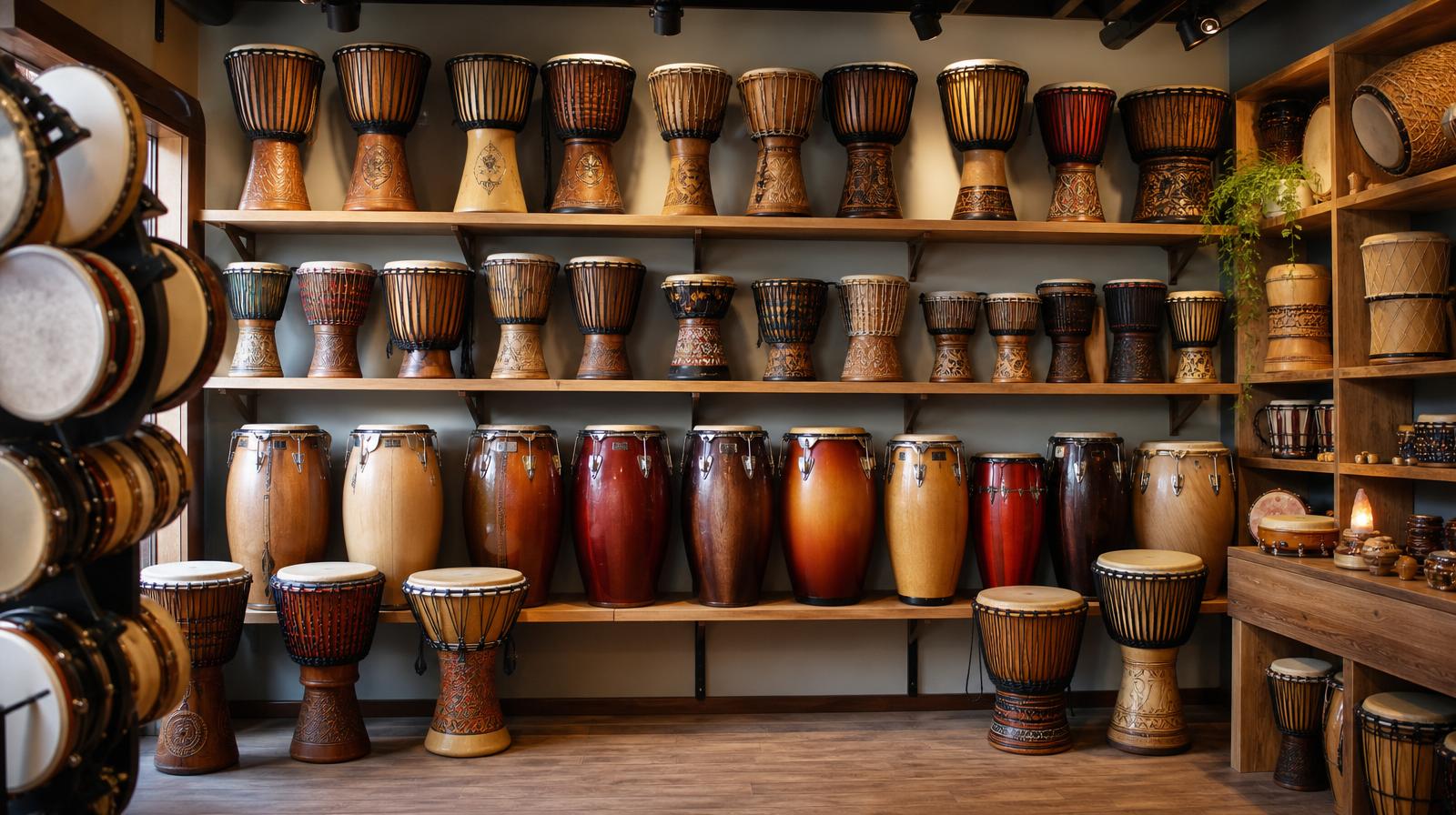
When you contact a rental house or a local facilitator, you’ll find a wide variety of options. Here are the most common instruments found in a rental inventory:
- Djembes: The most popular choice for community circles. Look for a mix of sizes (10", 12", and 14" heads) to accommodate different hand sizes.
- Congas and Bongos: Essential for Latin jazz or salsa-themed events. These usually come with height-adjustable stands.
- Dunun (Doundoun): These West African bass drums (Kenkeni, Sangban, and Doundounba) provide the melodic heartbeat of the rhythm.
- Frame Drums and Tambourines: Lightweight and accessible, these are perfect for beginners or wellness-focused circles.
- Hand Percussion (Toys): Shakers, shekeres, cowbells, and woodblocks. These are often rented in "bulk packs" for large groups.
- Doumbeks and Darbukas: Middle Eastern goblet drums known for their crisp "teks" and deep "doums."
Facilitator Kits vs. Backline Rentals
It is important to distinguish between a "facilitator kit" and a "professional backline rental."
Facilitator Kits are designed for community drum circles. These often consist of durable, stackable synthetic djembes (like those made by Remo or Meinl). These are ideal for outdoor events or family-friendly circles because they are weather-resistant and easy to clean. If you are organizing a local gathering, check our directory to find drum circle facilitators who often provide these kits as part of their service.
Backline Rentals are geared toward professional performances, studio recordings, or high-end events. This gear is typically "pro-grade," featuring natural skin heads and wood shells. When renting backline, you are paying for the specific tone and brand of the instrument, such as LP (Latin Percussion) or Toca.
What to Look for in a Rental Agreement
Before signing on the dotted line, pay attention to the fine print. Percussion instruments are tactile and, by nature, are meant to be hit. However, damage can happen.
- Head Integrity: Check for any visible cracks or "pitting" on the drum heads. For natural skins, ensure there are no small tears near the rim.
- Tuning: Ask if the instruments come pre-tuned. A djembe that is too loose won't have a distinct bass and slap, which can frustrate beginners.
- Delivery and Setup: For large quantities, ask if the rental includes delivery. Hauling 30 djembes in a sedan is a recipe for a headache.
- Cleaning Fees: In a post-pandemic world, many rental companies charge a small fee to sanitize instruments between uses. This is a sign of a professional operation.
Renting for Education and Workshops
If you are one of the many drum teachers looking to host a weekend intensive, your rental needs will be more specific. You may need "matched sets" of drums so that every student is learning on the same type of instrument. This is particularly important for teaching specific techniques, such as the finger-triplets used on a doumbek or the specific hand-heel movements of conga playing.
For school programs, look for rentals that include "floor toms" or mallet percussion if you are integrating rhythm with standard music curriculum. Many rental houses offer discounted rates for educational institutions or long-term rentals spanning a full semester.
Tips for a Smooth Rental Experience
To ensure your event goes off without a hitch, keep these tips in mind:
- Book Early: Percussion rental inventory is often limited, especially during the peak summer festival season or around the holidays.
- Consider the Environment: If your event is outdoors or near water, opt for synthetic-headed drums. Humidity and temperature changes can cause natural goat or cow skins to lose tension or even split.
- Request Extra Sticks/Mallets: If you are renting dununs or bass drums, always ask for two extra sets of mallets. They are the most commonly misplaced items at a busy event.
- Label Everything: If you are mixing rented gear with your personal collection, use a small piece of painter's tape on the bottom of your drums to keep track of what belongs to whom.
Finding a Local Rental Provider
While large music chains offer basic percussion rental, the best experience often comes from local drum shops or independent facilitators who understand the nuances of world percussion. These specialists can offer advice on the best instrument mix for your specific group size and skill level.
Finding the right gear is the first step toward creating a powerful rhythmic experience. Whether you are leading a corporate icebreaker or a deep-dive masterclass, the right instruments make all the difference in the world.
Ready to get started? Find a drum circle near you to see what instruments others are using and connect with local rhythm leaders who can point you toward the best rental resources in your area.
Frequently asked
- How much does it typically cost to rent a djembe?
- Daily rental rates for a single djembe typically range from $15 to $30, depending on the quality and size. Many providers offer significant discounts for weekly rentals or bulk orders for large community events.
- Do I need to know how to tune the drums I rent?
- Most professional rental companies provide instruments that are already tuned and ready to play. However, if you are renting natural-skin drums for an outdoor event, you should ask the provider for a brief demonstration on how to adjust the tension if the weather affects the pitch.
- Can I rent percussion instruments for a kids' birthday party?
- Yes, many facilitators offer 'party packs' specifically designed for children. These usually include durable, colorful synthetic drums and a variety of small hand percussion like shakers and bells that are safe and easy for kids to handle.
Find a drum circle near you
Browse hundreds of circles, teachers and rhythm community gatherings.
Explore drum circles