Choosing the Right Percussion School: A Guide to Rhythm
Discover how a dedicated percussion school can transform your technique, from djembe fundamentals to advanced ensemble performance.
Finding the right percussion school is a transformative step in any drummer's journey. Whether you are a beginner picking up a djembe for the first time or a seasoned player looking to master the intricate polyrhythms of the dunun, the right educational environment provides the structure, technique, and community needed to excel.
In the world of hand drumming, a percussion school is more than just a place for lessons; it is a hub of cultural exchange and rhythmic exploration. From the booming bass of the congas to the delicate finger-style techniques of the Middle Eastern doumbek, formal training helps bridge the gap between playing a beat and truly understanding the language of rhythm.
The Benefits of Formal Percussion Education
While many drummers start by playing along to records or joining local community circles, a dedicated percussion school offers several advantages that self-teaching often misses:
- Structured Curriculum: Schools provide a logical progression from basic strokes (slap, tone, bass) to complex compositions.
- Technical Precision: Instructors can correct your posture and hand positioning in real-time to prevent repetitive strain injuries.
- Cultural Context: Understanding the history and tradition behind instruments like the bata or the frame drum enriches the playing experience.
- Peer Evaluation: Learning alongside others fosters a healthy sense of competition and collaboration.
Types of Percussion Schools and Programs
Not all schools are created equal. Depending on your goals, you may find yourself looking at different types of institutions:
1. Traditional Music Conservatories
These are often academically focused and may require an audition. These programs are excellent for those pursuing a professional career in orchestral percussion or jazz, though many now offer world music departments focusing on Afro-Cuban or West African traditions.
2. Community Drum Schools
These schools focus on the joy of rhythm and community connection. They are often the best place to find drum teachers who specialize in facilitating group energy rather than just technical soloing. These programs frequently transition into public events and local performances.
3. Specialized World Rhythm Centers
Some institutions focus exclusively on one tradition, such as a school dedicated entirely to the art of the Japanese Taiko or the Brazilian Samba Batucada. These are immersive environments where students learn the specific dance, song, and history associated with the drums.
Key Instruments Taught in Modern Programs
A well-rounded percussion school will introduce you to a variety of global instruments. Mastering one often helps you understand the others. Common instruments include:
- Djembe: The iconic West African goblet drum, known for its wide range of pitches.
- Congas and Bongos: The heart of Latin and Salsa music, requiring specific palm-to-finger techniques.
- Dunun: The cylindrical drums that provide the melodic backbone for West African ensembles.
- Frame Drums: Ancient instruments like the tar or riq, played with intricate finger-tapping methods.
- Doumbek/Darbuka: The primary percussion instrument of the Middle East, characterized by rapid-fire rolls and snaps.
What to Look for in a Quality Program
When researching a percussion school, consider the following criteria to ensure the program aligns with your personal rhythm goals:
- Instructor Lineage: Who did the teachers study with? In traditional drumming, lineage matters as it ensures the authenticity of the rhythms being taught.
- Hands-on Opportunities: Does the school provide instruments, or must you bring your own? Do they offer ensemble classes where you can practice call-and-response patterns?
- Facility Quality: Good acoustics and a variety of high-quality instruments are essential for developing a "good ear."
- Community Integration: Does the school host drumming retreats or participate in local festivals? A school that is active in the community provides more opportunities for growth.
Online vs. In-Person Percussion Schools
In the digital age, many renowned drum schools offer hybrid or fully online programs.
In-Person Learning is irreplaceable for tactile feedback. The physical vibration of the drum and the ability of a teacher to manually adjust your hand position are vital for beginners. It also allows for the "micro-timing" adjustments that happen naturally when playing in a room with other humans.
Online Learning is an excellent supplement or alternative for those in remote areas. It allows you to study with world-class masters who might live across the globe. Many online schools provide high-definition video breakdowns of rhythms that you can pause and rewind at your own pace.
Integrating Schooling with Community Circles
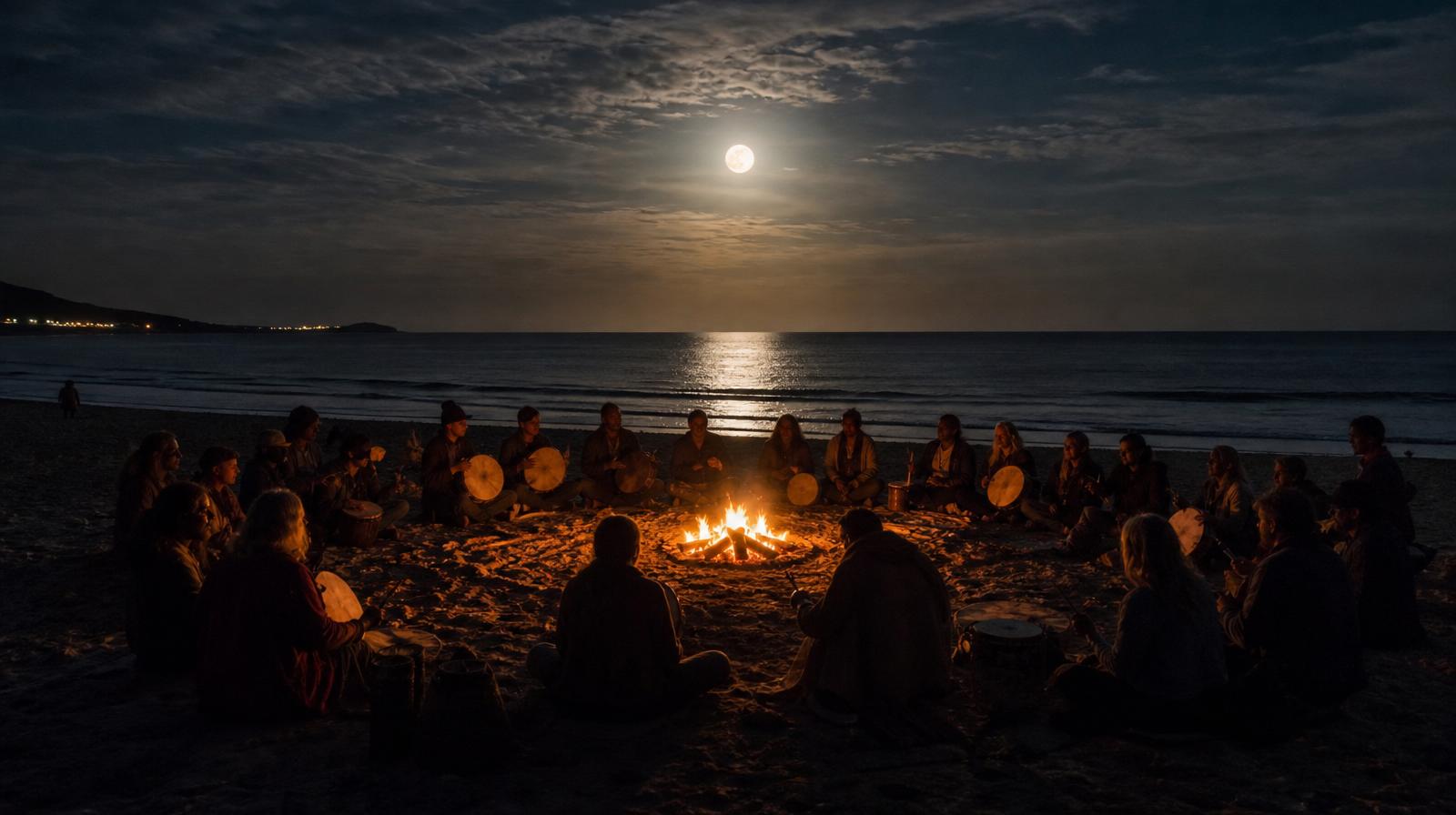
Instruction should never exist in a vacuum. The most successful students are those who take what they learn in the classroom and apply it in a social setting. Joining a local circle is the ultimate "lab" for your percussion studies. It tests your ability to maintain a steady tempo, listen to other players, and contribute to a collective groove without overplaying.
Many students find that after a few months at a percussion school, their confidence in community settings skyrockets. They move from being a follower to someone who can help hold the "pulse" for the entire group.
Finding Your Path in Rhythm
Whether your goal is to perform on stage, facilitate healing circles, or simply enjoy the meditative qualities of the drum, your journey starts with the right foundation. By choosing a percussion school that respects tradition while encouraging personal expression, you set yourself up for a lifetime of rhythmic fulfillment.
Find a drum circle near you to start practicing your new skills today!
Frequently asked
- Do I need to own a drum before enrolling in a percussion school?
- Most percussion schools provide loaner instruments for beginners during their first few classes. However, as you progress, instructors will recommend purchasing your own djembe or conga so you can practice the specific hand techniques and muscle memory at home.
- How long does it take to become proficient at hand drumming?
- Basic competency in keeping a steady beat can be achieved in a few months of consistent study. Mastery of complex polyrhythms and soloing techniques typically takes several years of dedicated practice and ensemble playing at a specialized school.
- Are percussion schools suitable for adults with no musical background?
- Absolutely. Many drum schools specialize in adult-beginner programs that focus on rhythm as a wellness tool and social activity. These classes emphasize accessible patterns and the joy of group play over rigorous academic theory.
Find a drum circle near you
Browse hundreds of circles, teachers and rhythm community gatherings.
Explore drum circles