
Percussion Team Building: Creating Harmony in the Workplace
Discover how percussion team building transforms corporate dynamics through the power of rhythm, djembe circles, and collaborative music-making.
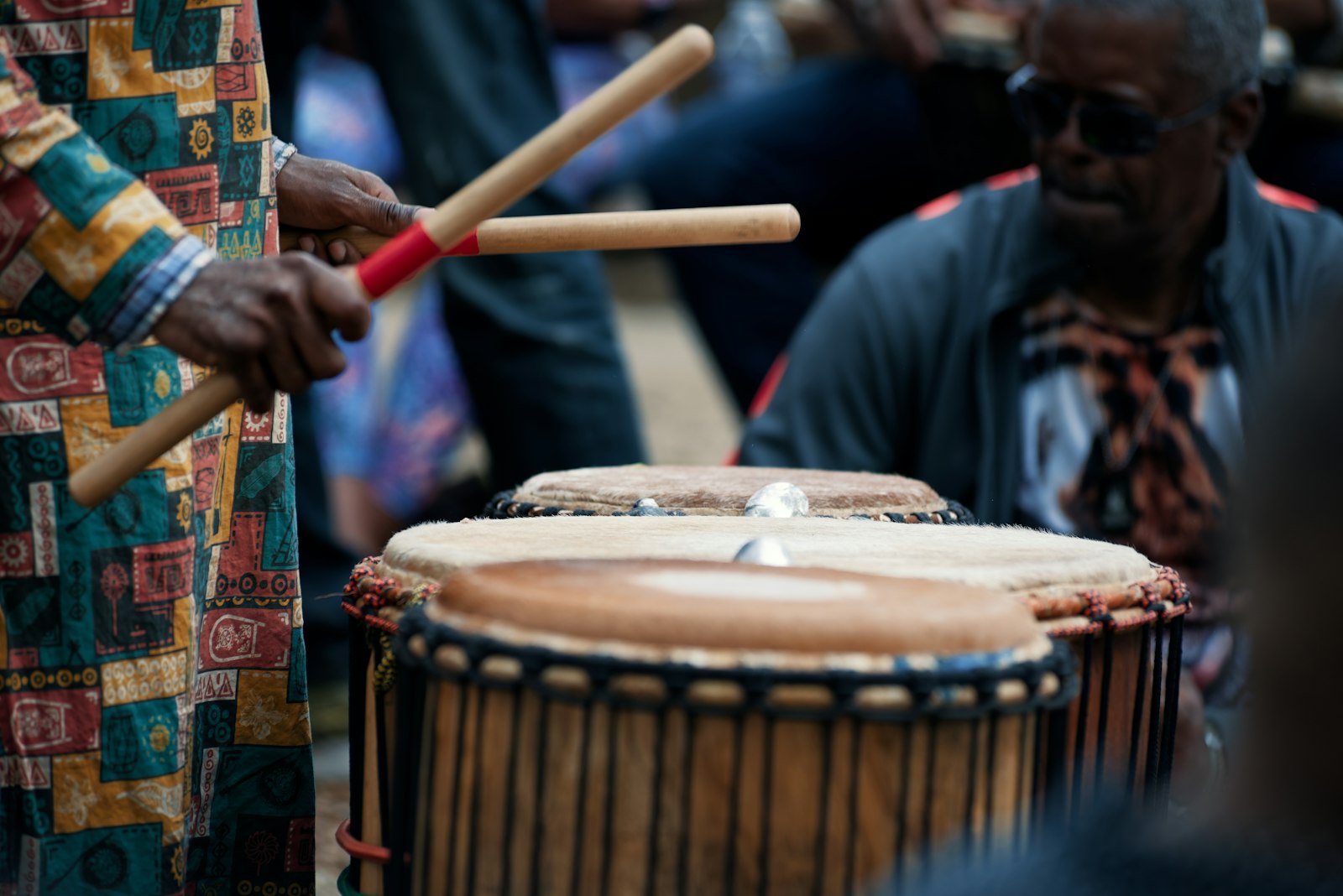
In the modern corporate world, the traditional icebreaker is often met with a collective sigh. Trust falls and PowerPoint presentations rarely bridge the gap between departments or dissolve the silos that hinder productivity. Enter percussion team building: a rhythmic, high-energy alternative that strips away titles and replaces them with a shared pulse.
At its core, a drum circle is the ultimate metaphor for a functional organization. When a group of individuals picks up a djembe, a shaker, or a pair of dununs, they aren't just making noise; they are learning to listen, adapt, and contribute to a collective goal in real-time.
Why Rhythm Works for Corporate Teams
Percussion team building works because it is a universal language. It doesn't matter if an employee is an executive or an intern; everyone has a heartbeat. When a facilitator leads a group through a rhythmic exercise, the hierarchy of the office disappears.
In these sessions, participants learn that if one person plays too loudly, the melody is lost. If someone stops entirely, the foundation weakens. This immediate feedback loop mirrors the workplace, teaching staff that their individual contribution is vital to the success of the whole.
The Instruments of Collaboration
When organizing a percussion event, the variety of instruments used can dictate the energy of the room. A well-rounded session often includes:
- Djembes: These West African drums are the heartbeat of the circle, offering deep bass notes and sharp slaps.
- Congas and Bongos: Excellent for teaching intricate patterns and steady backbeats.
- Frame Drums: Lightweight and accessible for those who may feel intimidated by larger instruments.
- Dunun: The large, double-headed drums that provide the rhythmic anchor for the group.
- Hand Percussion: Cowbells, shakers, and woodblocks allow participants to experiment with texture and timing.
By exploring these various sounds, teams learn to appreciate the different roles within their own company—some provide the steady base, while others provide the creative flair.
Breaking Down Silos Through Call-and-Response
One of the most effective techniques used in percussion team building is the "call-and-response." A facilitator or a designated team leader plays a specific rhythm, and the rest of the group must mirror it exactly.
This exercise builds active listening skills. In a busy office, we often wait for our turn to speak rather than truly hearing our colleagues. In a drum circle, you cannot respond correctly unless you have listened intently. This practice fosters a culture of attentiveness and mutual respect that carries back into the boardroom.
Boosting Employee Wellness and Morale
Beyond productivity, there is a significant health component to group drumming. It is a scientifically proven stress-reducer. Rhythmic drumming releases endorphins and can even boost the immune system. For companies looking to integrate Health & Wellness into their corporate culture, a drumming session is a perfect fit.
It provides a safe space for emotional expression. Many employees find that the physical act of drumming helps release the tension of a high-stakes project or a long quarter. When people feel better, they work better.
Planning Your First Percussion Event
If you are ready to bring rhythm to your office, you don't need to be a musician to start. Many organizations begin by hiring professional facilitators who specialize in corporate events. These experts bring the instruments, set the tone, and guide the group through the experience.
If you want to see what a professional setup looks like, you can browse upcoming events to witness how facilitators manage large groups. Whether it’s a 20-minute conference opener or a full-day intensive, the impact is lasting.
Sustaining the Rhythm
The benefits of percussion team building shouldn't end when the drums are packed away. To keep the momentum going, consider encouraging employees to explore local drum schools or find drum teachers for personal development.
Some companies even start their own internal "rhythm clubs," meeting once a month to jam and de-stress. By making rhythm a part of the corporate identity, you foster a workplace that is synchronized, supportive, and energized.
Conclusion: The Power of the Collective Beat
Percussion team building is more than just a fun afternoon; it is a transformative tool for communication. It teaches us that when we stop competing and start collaborating, the music we make together is far more powerful than any solo performance.
Find a drum circle near you and start your journey today at Drum Circle Directory.
Frequently asked
- Do employees need musical experience for percussion team building?
- Absolutely not. These sessions are designed for all skill levels. A professional facilitator guides the group through simple patterns that anyone can follow, ensuring that everyone feels included and successful from the first beat.
- How long does a typical drumming team building session last?
- Sessions are flexible. They can range from a 15-minute 'energizer' at the start of a meeting to a 2-hour deep-dive workshop. Most corporate groups find that a 60 to 90-minute session provides the best balance of learning and engagement.
- What size group is best for percussion team building?
- One of the best things about group drumming is its scalability. It works effectively for small executive teams of 10 people or massive keynote audiences of 1,000+. The facilitator simply adjusts the instrument mix and activities to suit the room size.
Find a drum circle near you
Browse hundreds of circles, teachers and rhythm community gatherings.
Explore drum circles