Private Djembe Lessons: Master the Heartbeat of West Africa
Ready to move beyond basic rhythms? Discover how private djembe lessons can transform your technique, speed, and musical expression through personalized mentorship.
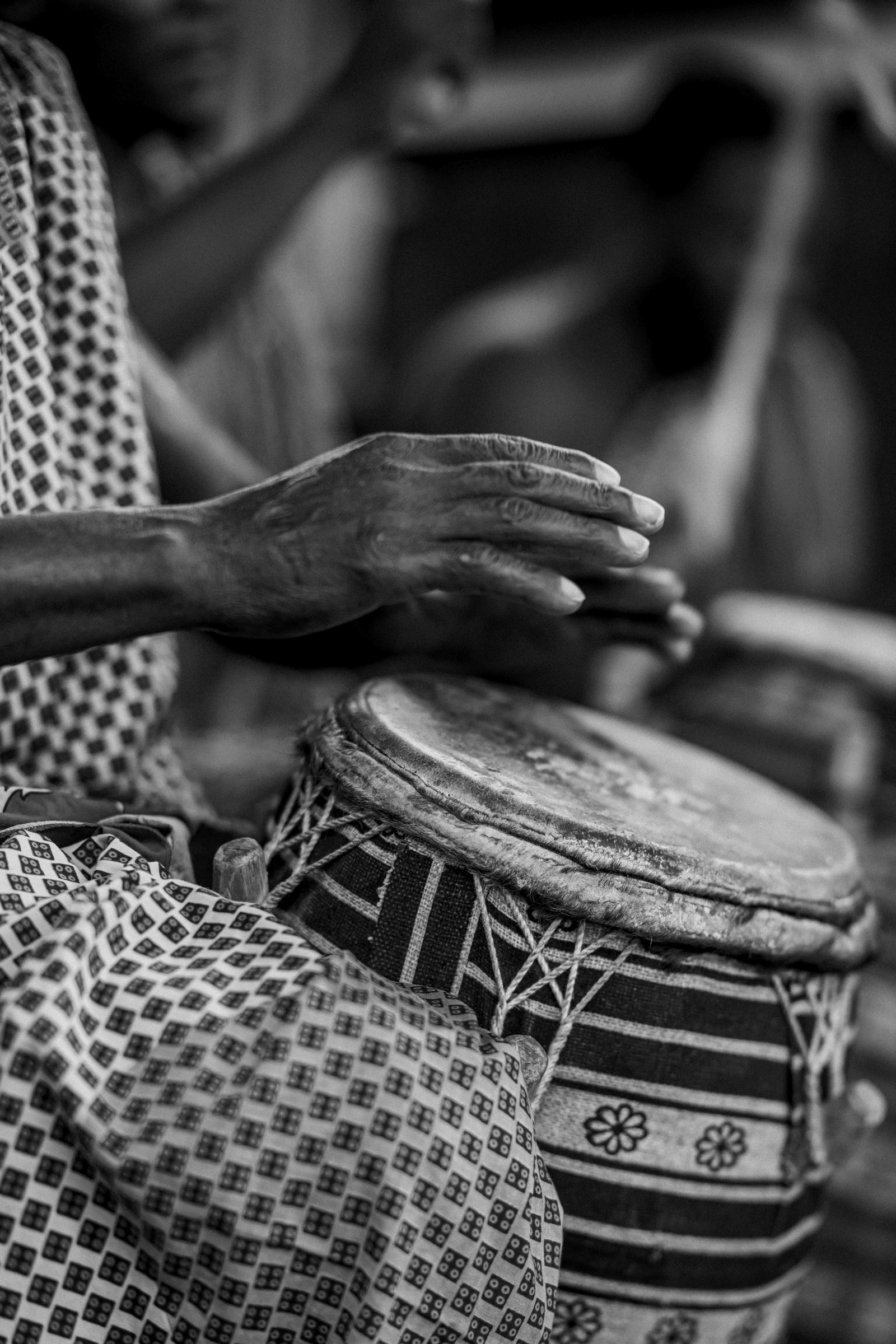
There is a profound difference between playing a drum and truly speaking through it. The djembe, an goblet-shaped drum originating from West Africa, is known as the 'healing drum' or the 'drum of many voices.' While many enthusiasts begin their journey in a community setting, there comes a point where the nuances of tone, slap, and bass require a more focused approach. This is where private djembe lessons become the bridge between being a casual enthusiast and a skilled percussionist.
In a one-on-one setting, the vast world of Mande percussion opens up. You aren't just hitting a goat-skin head; you are learning a language of polyrhythms, history, and physical discipline that has been passed down for centuries.
Why Choose Private Djembe Lessons Over Group Classes?
Group drum circles are fantastic for community and spirit, but they can sometimes mask technical flaws. In a large circle, it is easy to hide a muffled slap or an incorrect hand angle. Private instruction offers a level of scrutiny that is impossible to achieve in a crowd.
- Personalized Pace: If you struggle with the 'slap' technique, your teacher can spend the entire hour focusing on your hand tension and strike zone.
- Customized Curriculum: Are you interested in the traditional rhythms of the Malinke people, or do you want to learn how to jam with a modern folk band? Private lessons cater to your specific goals.
- Immediate Feedback: Muscle memory is powerful. A private instructor ensures you don't build bad habits that could lead to repetitive strain injuries or carpal tunnel.
The Technical Foundation: Bass, Tone, and Slap
At the core of all private djembe lessons is the mastery of the three primary sounds. While they seem simple, achieving a crisp distinction between them is a lifelong pursuit.
- The Bass: The deep, resonant heart of the drum. This is played with the palm of the hand hitting the center. A teacher will help you ensure your hand bounces off the skin rather than pressing into it, which kills the vibration.
- The Tone: A full, round sound played at the edge of the drum. Your teacher will guide you on keeping your fingers together to create a solid, melodic strike.
- The Slap: The most challenging sound to master. This high-pitched, cracking sound requires a relaxed hand and a specific 'whip' motion. In private sessions, an instructor can physically demonstrate the minute differences in finger placement that make a slap sing.
Learning Traditional Rhythms and Phrasing
West African drumming is built on specific rhythms like Kuku, Soli, Moribayassa, and Djole. Each has a story, a specific cultural context, and a set of accompanying dunun (bass drum) patterns.
During your lessons, you will move beyond simple 4/4 timing. You will explore 6/8 polyrhythms and learn the 'break'—the rhythmic signal used by the lead drummer to start, stop, or change the tempo. Understanding these signals is vital if you eventually want to lead your own sessions or perform with drum schools.
Ergonomics and Drum Care
A significant part of private djembe lessons involves the 'hidden' skills of drumming. This includes how to sit or stand with the drum using a strap to avoid back pain, and how to maintain your instrument.
Your instructor will teach you about:
- Tuning: Using the Mali weave (rope tuning) to keep your drum at the right pitch.
- Skin Care: How to identify when a goat-skin head is drying out or about to crack.
- Body Mechanics: Ensuring your shoulders are relaxed and your elbows are at the correct angle to maximize power without fatigue.
Finding the Right Djembe Teacher
Not all drummers are teachers. When looking for private djembe lessons, you want someone who understands the cultural lineage of the instrument. Many of the best instructors have studied under master drummers (djembefolas) from Guinea, Mali, or Senegal.
When searching for drum teachers, ask about their lineage and their teaching philosophy. Do they focus on oral tradition and 'call-and-response,' or do they use Western notation? Finding a mentor whose style resonates with you is key to staying motivated.
Beyond the Practice Room: Applying Your Skills
The ultimate goal of private study is to bring a higher level of musicality back to the community. Once you have developed a steady pulse and a clear vocabulary of sounds, you will find that participating in events or local gatherings becomes a much richer experience. You will have the confidence to step into the 'soloist' role or provide a rock-solid foundation for others.
If you are looking to immerse yourself even further, consider looking into drumming retreats. These intensive experiences often combine private coaching with group play in beautiful, focused environments.
Mastering the djembe is a journey that never truly ends. Whether you are a beginner picking up a drum for the first time or an intermediate player looking to sharpen your solos, private djembe lessons provide the structure and inspiration needed to reach the next level.
Find a drum circle near you at /drum-circles.
Frequently asked
- How much do private djembe lessons typically cost?
- Private djembe lessons generally range from $40 to $80 per hour, depending on the instructor's experience and location. Some teachers offer discounted packages if you book multiple sessions in advance.
- Do I need my own drum to start private lessons?
- While it is ideal to have your own djembe for practicing at home, many teachers provide a drum for your first few lessons. They can also offer expert advice on purchasing a high-quality, ethically sourced instrument.
- Can I take djembe lessons online?
- Yes, many master drummers now offer private lessons via Zoom or Skype. While in-person is best for sensing the vibration and posture, online lessons are a great way to access world-class instructors from anywhere.
- How long does it take to get good at the djembe?
- Most students can play basic rhythms and distinguish between the three main sounds within 3 to 6 months of consistent private study. However, mastering the speed and complexity of traditional solos is a multi-year journey.
Find a drum circle near you
Browse hundreds of circles, teachers and rhythm community gatherings.
Explore drum circles