Private Drum Circle: The Ultimate Guide to Hosting Your
Discover how a private drum circle can transform your next gathering into a rhythmic masterpiece of connection and joy.
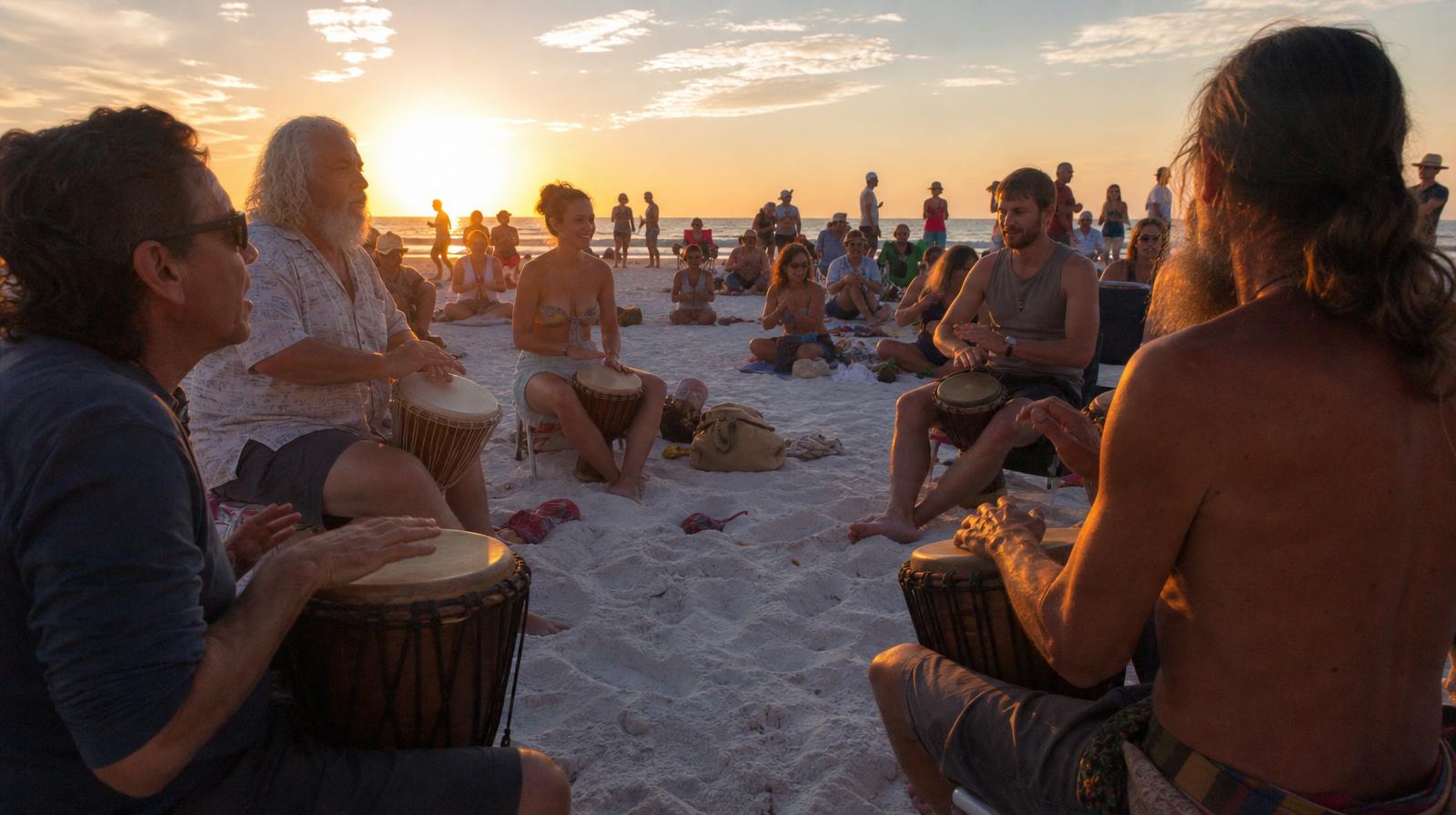
There is a specific kind of magic that occurs when a group of people, regardless of musical experience, picks up a djembe or a shaker and begins to play together. While public community circles are wonderful for meeting strangers, a private drum circle offers a tailored, intimate environment where the rhythm serves a specific purpose—be it celebration, healing, or professional development.
Whether you are planning a corporate retreat, a milestone birthday, or a mindful wellness gathering, hosting a private rhythm event allows you to control the energy, the guest list, and the intention of the music.
Why Choose a Private Drum Circle?
Unlike a large-scale public gathering, a private event is curated specifically for your group. You aren't just showing up to play; you are creating a shared language with people you already know or work with.
Private circles are highly effective for:
- Corporate Team Building: Breaking down hierarchy through non-verbal communication.
- Wellness Retreats: Focusing on mindfulness, stress reduction, and the therapeutic vibrations of the frame drum.
- Special Celebrations: Adding a high-energy, participatory element to weddings or anniversaries.
- Educational Groups: Teaching students about cultural history and polyrhythms in a focused setting.
The Role of the Professional Facilitator
A private drum circle is rarely a "free-for-all." To ensure the experience is cohesive and inclusive, hiring a professional facilitator is essential. A facilitator isn't a conductor in the traditional sense; they are a guide who uses body language and verbal cues to help the group find their groove.
They manage the dynamics, ensuring the loud congas don't drown out the subtle bells, and they lead the group through call-and-response exercises that build confidence in beginners. If you are looking for an expert to lead your session, you can browse our list of drum teachers who often specialize in event facilitation.
Choosing the Right Instruments
The instruments you provide will dictate the "flavor" of your private drum circle. Most facilitators will bring a "drum truck" full of gear, but it helps to know what you prefer:
- Djembe: The classic West African goblet drum. It provides a wide range of tones (bass, tone, and slap) and is usually the heart of the circle.
- Dunun: These large, cylindrical drums played with sticks provide the melodic heartbeat and grounding bass for the group.
- Doumbek: A goblet-shaped drum from the Middle East, perfect for more intricate, finger-style playing.
- Congas and Bongos: Afro-Cuban staples that add a driving, rhythmic texture.
- Small Percussion: Shakers, cowbells, woodblocks, and tambourines are vital. They allow those who might feel intimidated by a large drum to still participate fully in the rhythm.
Planning the Logistics
To make your private drum circle a success, consider these three logistical pillars:
- The Venue: Sound carries. If you are hosting indoors, look for rooms with high ceilings or acoustic treatment. For outdoor events, ensure you have a flat surface for chairs and a backup plan for weather.
- Seating: The circle is the most important geometry. Everyone should be able to see the facilitator and each other. Armless chairs are preferred so drummers have a full range of motion.
- Duration: For most private groups, a 60 to 90-minute session is the "sweet spot." This allows enough time for a warm-up, several rhythmic "journeys," and a grounded closing.
Incorporating Wellness and Mindfulness
Many people seek out a private drum circle for its health benefits. Group drumming has been shown to reduce cortisol levels and increase the production of endorphins. In a private setting, you can incorporate specific wellness elements like:
- Guided Meditations: Starting the session with a rhythmic pulse and deep breathing.
- Sound Baths: Ending the high-energy drumming with the soothing sounds of a frame drum or singing bowls.
- Intention Setting: Having each participant choose a word (like "clarity" or "connection") to represent their rhythm for the day.
If you are interested in a deeper dive into these practices, consider looking for dedicated drumming retreats that offer multi-day immersive experiences.
Etiquette for Private Gatherings
Even in a private setting, a few "rules of the road" help the music flow better:
- Support the Pulse: Don't try to play the most complex solo. The beauty is in the collective beat.
- Watch the Facilitator: They will signal when to get louder (crescendo) or when to stop (the "cut-off").
- Respect the Instruments: Always ask before playing someone else’s drum, and remove rings or jewelry that might damage the drum skins.
Finding Your Rhythm
Ready to bring the power of the drum to your next event? Whether it's a small family reunion or a large corporate seminar, the shared experience of rhythm creates memories that last long after the final beat has faded. To see examples of how these events are structured, check out upcoming events in the drumming community.
Find a drum circle near you and start your journey today.
Frequently asked
- Do I need to know how to drum to join a private drum circle?
- Not at all. Most private drum circles are designed for beginners. A professional facilitator will guide you through basic techniques, ensuring that everyone, regardless of musical background, can contribute to the rhythm immediately.
- How many people can participate in a private drum circle?
- Private circles can be as small as 5-10 people for intimate family gatherings or as large as several hundred for corporate keynote events. The facilitator will adjust the number of instruments and the complexity of the activities based on the group size.
- What is the typical cost of hiring a drum circle facilitator?
- Pricing varies based on location, the number of participants, and whether the facilitator provides the instruments. Generally, you can expect to pay for the facilitator's time, instrument rental, and travel fees, with rates ranging from a few hundred to several thousand dollars for large-scale corporate events.
Find a drum circle near you
Browse hundreds of circles, teachers and rhythm community gatherings.
Explore drum circles