
Master Your Rhythm: The Ultimate Guide to Private Drum
Unlock your rhythmic potential with personalized instruction. Discover how private drum lessons can accelerate your progress from basic beats to complex polyrhythms.
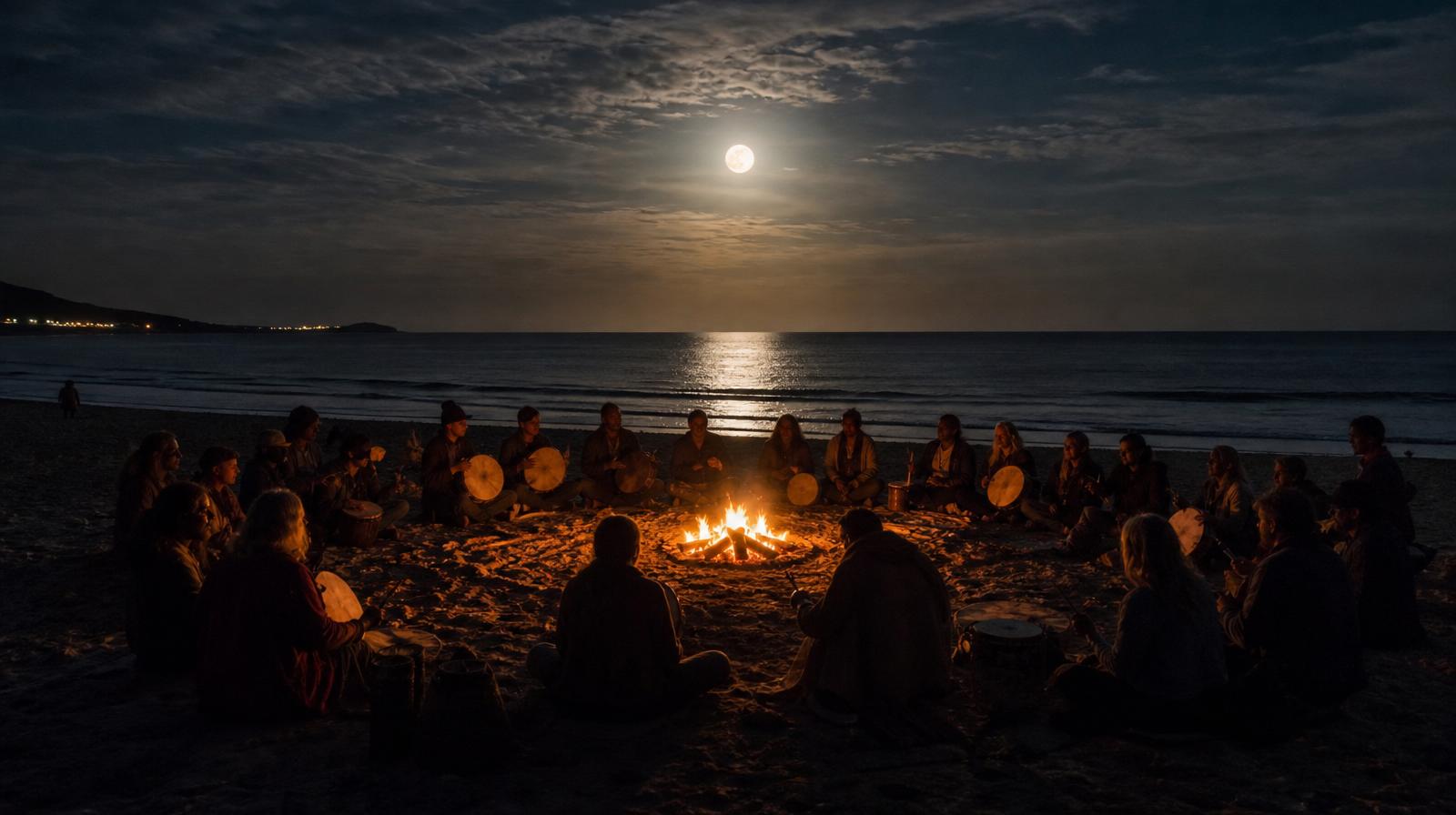
There is a profound moment of clarity that happens when a student sits across from a master drummer. Whether you are holding a West African djembe, a Middle Eastern doumbek, or a pair of hickory sticks over a snare drum, the focused attention of a mentor changes everything. While YouTube tutorials and group classes have their place, private drum lessons remain the gold standard for anyone serious about mastering the art of rhythm.
In this guide, we explore why one-on-one instruction is the fastest path to rhythmic literacy, what to expect from your first session, and how to find the right mentor to guide your journey.
Why Choose Private Drum Lessons Over Group Classes?
Group drum circles are incredible for community and shared energy, but they aren't always designed for technical correction. In a drum circle, the goal is often collective immersion. In a private lesson, the goal is your specific growth.
Personalized Pace
In a private setting, the curriculum moves at your speed. If you have already mastered the basic 'bass, tone, slap' on the djembe, your teacher won't make you sit through a review. Conversely, if you are struggling with a complex 6/8 bell pattern, you can spend the entire hour deconstructing it without feeling like you're holding back a class.
Ergonomics and Technique
Drumming is a physical discipline. Improper grip or posture can lead to repetitive strain injuries like carpal tunnel or tendonitis. A private instructor watches your hands, shoulders, and back, ensuring that your technique is sustainable for a lifetime of playing. They catch the small habits—like a tensed shoulder or an inefficient wrist flick—that a video tutorial simply cannot see.
Choosing Your Instrument: From Djembe to Doumbek
One of the first decisions in seeking private drum lessons is defining your focus. The world of percussion is vast, and many teachers specialize in specific traditions.
- Hand Drums: If you are drawn to the tactile nature of hand-to-skin contact, look for teachers specializing in the djembe, congas, or bongos. These lessons focus heavily on producing distinct tones and developing hand strength.
- Frame Drums: For those interested in ancient, meditative rhythms, the frame drum or riq offers a unique path. These lessons often involve intricate finger-tapping techniques.
- The Drum Kit: If your goal is to play in a rock, jazz, or funk band, kit lessons will focus on four-limb coordination, independence, and keeping a steady 'pocket' for other musicians.
Many students start with a broad interest and find their niche through expert drum teachers who introduce them to world rhythms they hadn't previously considered.
What to Expect in Your First Private Lesson
Walking into your first lesson can be intimidating, but most instructors prioritize making you feel comfortable. A typical first session usually follows a specific flow:
- Goal Setting: Your teacher will ask what you hope to achieve. Do you want to join a local community circle? Do you want to play professionally? Or is this a form of rhythmic meditation?
- Assessment: If you have played before, you might demonstrate a basic rhythm. If you are a total beginner, the teacher will introduce the anatomy of the drum.
- Fundamental Strokes: You will likely learn the primary sounds of your chosen instrument. For hand drummers, this means differentiating between the deep bass note and the sharp slap.
- The Practice Plan: You’ll leave with a specific 'homework' assignment—usually a simple pattern or rudiment to practice for 15 minutes a day.
The Role of Rudiments and Notation
Private drum lessons often bridge the gap between playing by ear and understanding musical theory. While many traditional drumming cultures pass down rhythms through oral tradition (using vocables like 'pa-ti-pa'), learning to read notation can unlock a world of resources.
Your teacher may introduce you to the '26 Standard American Drum Rudiments' or specific traditional patterns like the Moribayassa from Guinea. Understanding the 'why' behind the rhythm—the history, the cultural context, and the mathematical structure—deepens your connection to the instrument.
Finding the Right Environment: Schools vs. Home Studios
Where you learn can be just as important as what you learn. You have several options when searching for instruction:
- Music Schools: Dedicated drum schools offer a structured environment, often with access to multiple types of percussion and performance opportunities.
- In-Home Lessons: Some teachers travel to you, which allows you to learn on your own equipment in a comfortable setting.
- Online Private Lessons: With high-quality webcams and audio interfaces, you can now study with masters across the globe. This is ideal if you live in a remote area but want to learn a niche instrument like the dunun.
Overcoming the 'Beginner Plateau'
Every drummer hits a wall eventually. Maybe your left hand isn't as fast as your right, or you can't seem to keep time without speeding up. This is where private drum lessons are invaluable. An experienced teacher can diagnose the 'plateau' and provide specific exercises to break through it. They provide the accountability that is often missing when we try to teach ourselves.
Beyond the technical, a teacher acts as a gateway to the larger rhythm events in your area. They can recommend which circles are beginner-friendly and which might require a bit more experience, helping you transition from the practice room to the community square.
Investing in Your Rhythmic Future
Private lessons are an investment in your well-being. Drumming has been shown to reduce stress, improve cognitive function, and boost the immune system. By working one-on-one with a teacher, you ensure that your practice is both effective and joyful.
Whether you are looking for a weekend drumming retreat to immerse yourself in the craft or a weekly half-hour session to decompress after work, the guidance of a professional will elevate your playing in ways you never imagined.
Ready to start your journey? Find a drum circle near you to see the magic of rhythm in action, or browse our directory to find a teacher who resonates with your soul.
Frequently asked
- How much do private drum lessons typically cost?
- Pricing varies based on the teacher's experience and location, but generally ranges from $40 to $100 per hour. Many instructors offer discounted rates for purchasing a block of lessons upfront or for 30-minute sessions for younger children.
- Do I need to own a drum before my first lesson?
- Not necessarily. Most teachers and drum schools provide instruments for use during the lesson. However, your teacher will likely recommend purchasing a drum or a practice pad for home use within the first month to ensure consistent progress.
- How often should I take private drum lessons?
- For most beginners, one 45 to 60-minute lesson per week is ideal. This provides enough time to receive new information while allowing a full week of practice to integrate the movements into muscle memory before the next session.
- Can I learn drumming online through private lessons?
- Yes, online private lessons are highly effective. Through platforms like Zoom or Skype, teachers can observe your form and provide real-time feedback. It is a great way to access world-class experts who may not live in your local city.
Find a drum circle near you
Browse hundreds of circles, teachers and rhythm community gatherings.
Explore drum circles