Planning a Private Drumming Event: The Ultimate Guide
Transform your next gathering into a rhythmic masterpiece with our expert guide to hosting a private drumming event.
There is a unique magic that happens when a group of people, regardless of musical experience, picks up a drum. The initial hesitation melts away, replaced by a collective pulse that bridges gaps and builds community. Whether you are planning a corporate team-building session, a milestone birthday, or a soulful wedding celebration, a private drumming event offers an immersive experience that traditional entertainment simply cannot match.
At Drum Circle Directory, we have seen how rhythm transforms environments. It moves the focus from the individual to the collective, fostering communication and joy. This guide will walk you through everything you need to know to host a successful rhythmic gathering.
Why Choose a Private Drumming Event?
Unlike a concert where the audience is passive, a drum circle is participatory. Every person becomes a vital part of the orchestra. This inclusivity makes it the perfect choice for diverse groups.
- Stress Reduction: Drumming has been scientifically proven to lower cortisol levels and release endorphins.
- Team Synergy: In a business setting, drumming mirrors workplace dynamics—listening, leading, and supporting the group goal.
- Accessibility: You don’t need to be a musician to play a djembe or a shaker. A skilled facilitator can have a group of novices sounding like a professional ensemble in minutes.
Choosing the Right Facilitator
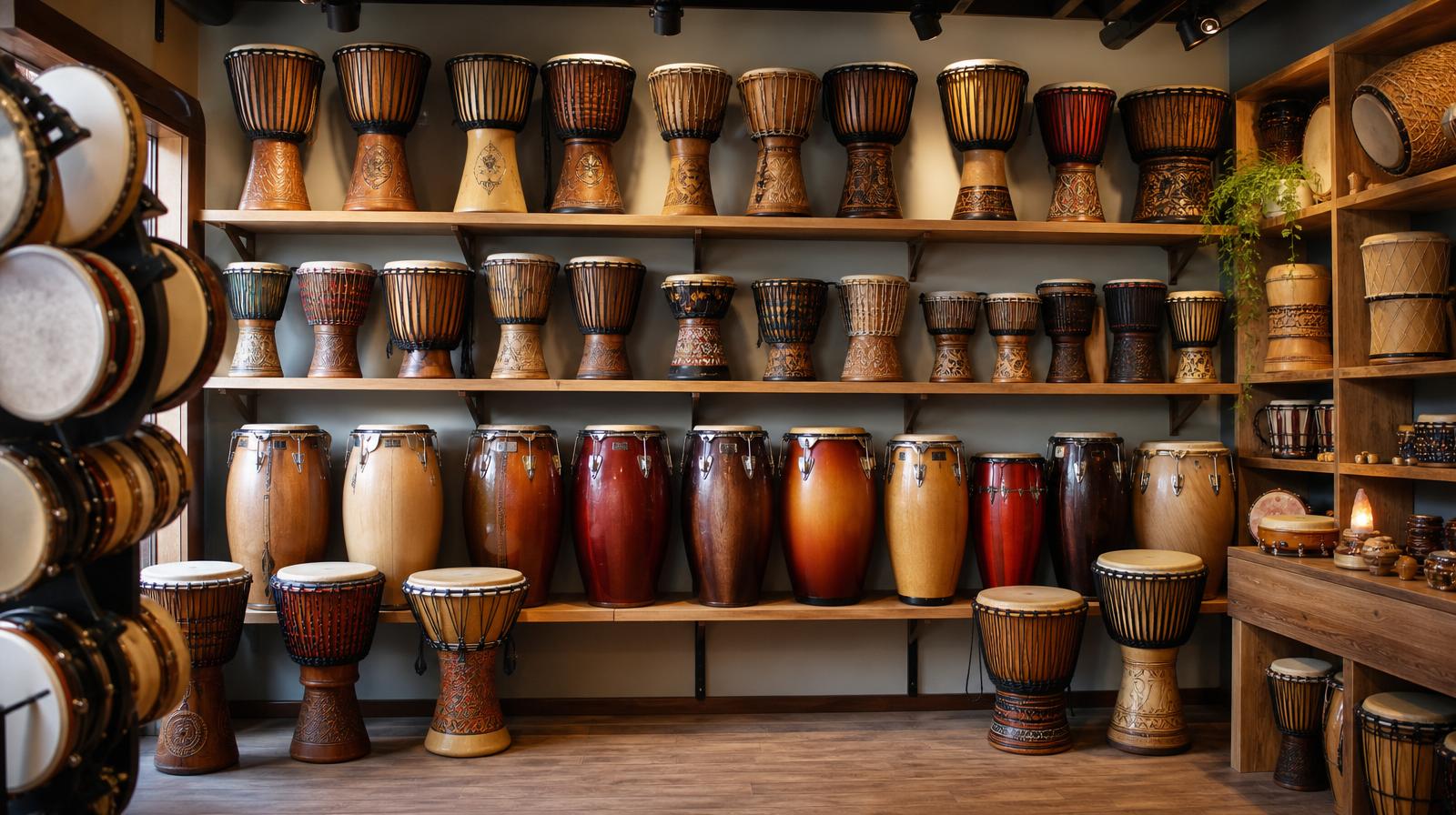
The heartbeat of any successful private drumming event is the facilitator. This person is not just a drummer; they are a conductor of human energy. They provide the instruments—often a colorful array of West African djembes, Middle Eastern doumbeks, and Afro-Cuban congas—and guide the group through various rhythms.
When searching for drum teachers or professional facilitators, look for someone who specializes in group dynamics rather than just technical instruction. They should be able to read the room, knowing when to push the energy and when to bring it down to a meditative hum.
Setting the Stage: Location and Logistics
Where you host your event dictates the vibe. A full-moon gathering on a beach feels vastly different from a high-energy session in a corporate ballroom.
- Acoustics: Drums are loud. If you are indoors, look for rooms with high ceilings or some acoustic treatment. If you are outdoors, ensure you have a flat surface for chairs and protection from the elements.
- Seating: The classic circle is the most effective layout. It ensures everyone can see the facilitator and each other, promoting eye contact and non-verbal communication.
- Instrument Mix: A good facilitator will bring a variety of instruments. While the djembe is the most popular for its range of tones (bass, tone, and slap), adding frame drums or dununs (bass drums played with sticks) adds depth and texture to the sound.
Types of Private Drumming Gatherings
Corporate Team Building
In the corporate world, a private drumming event is a powerful metaphor for collaboration. Teams learn to listen to the "pulse" of the company and understand how their individual contribution affects the whole. Many companies book these sessions through specialized events coordinators to break the ice at conferences.
Wellness and Healing Retreats
For those hosting drumming retreats, the focus shifts to the therapeutic aspects of rhythm. These sessions often incorporate guided meditation, frame drum singing, and slower, heartbeat-style rhythms designed to ground the participants.
Life Celebrations
Weddings, birthdays, and memorials are deeply personal. A drum circle can serve as a "rhythm bridge," bringing two families together or honoring a loved one’s life through a high-energy celebration of sound.
Understanding Drum Circle Etiquette
Even in a private setting, following basic etiquette ensures everyone has a good time.
- Listen as much as you play: The best drummers are the best listeners.
- Respect the instruments: Hand drums are often handmade works of art. Remove rings and watches before playing to avoid scratching the skins or shells.
- Follow the facilitator: When the facilitator signals a "cut-off" (the signal to stop), try to end together. That silence after a loud peak is often the most powerful part of the event.
What to Expect During the Session
A typical private drumming event follows a natural arc. It usually begins with a "call-and-response" warm-up, where the facilitator plays a simple pattern and the group mimics it. This builds confidence.
As the session progresses, the group might move into "structured improvisation." Here, the bass drums hold a steady beat while others layer different rhythms on top. You might find yourself lost in the "groove," a state of flow where the ego disappears and only the music remains.
Finding Quality Instruments and Instruction
If your private event sparks a lifelong passion, you may want to invest in your own instrument. Many participants start with a djembe because of its versatility. To deepen your practice after the event, seeking out drum schools can help you master the traditional rhythms of the Mandingue or the intricate patterns of the Middle East.
Conclusion
A private drumming event is more than just entertainment; it is an investment in human connection. By stripping away the barriers of language and status, rhythm allows us to meet on a fundamental level. Whether you are drumming for health, for business, or for pure joy, the result is always the same: a more connected, vibrant community.
Find a drum circle near you to experience the power of the beat firsthand.
Frequently asked
- Do guests need to bring their own drums to a private event?
- Generally, no. Most professional facilitators provide a 'drum truck' full of instruments, including djembes, shakers, and bells, ensuring there is a high-quality instrument for every participant regardless of the group size.
- How long does a typical private drumming session last?
- Most sessions run between 60 and 90 minutes. This provides enough time for a warm-up, several rhythmic explorations, and a meaningful closing, without causing physical fatigue for beginners.
- Can children participate in a private drumming event?
- Absolutely. Drumming is a multi-generational activity. Facilitators can adapt the complexity of the rhythms to be family-friendly, often providing smaller drums or percussion toys for younger children to ensure they feel included.
Find a drum circle near you
Browse hundreds of circles, teachers and rhythm community gatherings.
Explore drum circles