Finding the Right Rhythm: A Guide to Professional
Discover how to find the perfect percussion leader for your event through professional facilitator listings and learn what makes a great rhythm circle guide.
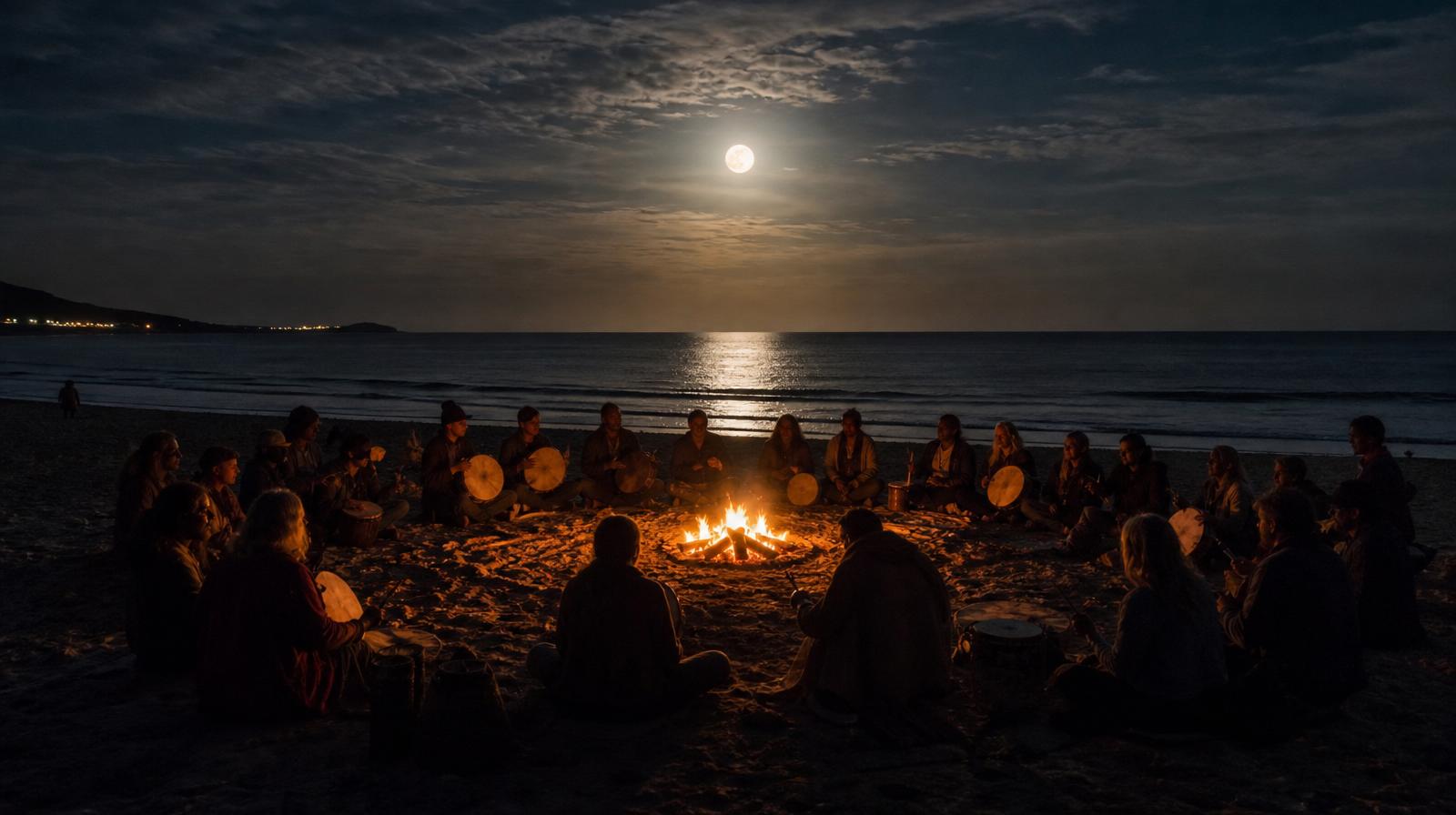
When you step into a drum circle, the energy is palpable. You see the djembe players finding their groove, the deep thrum of the dununs providing the heartbeat, and the bright metallic ring of the bells cutting through the air. But behind every successful, inclusive, and high-energy rhythm event is a skilled guide. Navigating professional facilitator listings is the first step in transforming a simple gathering into a transformative community experience.
What is a Drum Circle Facilitator?
A drum circle facilitator is not a conductor in the traditional sense. While a conductor directs an orchestra toward a predetermined musical score, a facilitator empowers the group to create their own music in the moment. They use specific techniques—body language, verbal cues, and call-and-response—to help beginners and seasoned pros alike find a collective voice.
Whether you are looking for someone to lead a corporate team-building session or a gentle rhythm circle at a senior center, understanding what to look for in facilitator listings ensures your event hits the right note. These professionals are trained to manage group dynamics, ensuring that the loudest conga doesn't drown out the softest frame drum.
Why Facilitator Listings Matter for Your Event
Searching through a directory of rhythm leaders allows you to filter for specific expertise. Not all facilitators are the same. Some specialize in "Recreational Drumming," focusing on fun and stress relief. Others are experts in "HealthRHYTHMS" or therapeutic drumming, which is often used in clinical settings.
By browsing professional listings, you can find a leader who brings the right equipment. A professional facilitator often provides a "drum truck" filled with high-quality instruments, ranging from doumbeks to shakers, so your participants don't need to own their own gear. If you are planning a large-scale gathering, you can also check upcoming events to see these facilitators in action before hiring them.
Key Qualities to Look for in a Rhythm Leader
When scanning facilitator listings, look for these specific indicators of quality and experience:
- Training and Certification: Look for mentions of Village Music Circles (Arthur Hull), REMO HealthRHYTHMS, or the Drum Circle Facilitators Guild (DCFG).
- Versatility of Instruments: A great facilitator should be comfortable with a variety of percussion, from the West African djembe to the Middle Eastern riq.
- Group Size Experience: Some leaders excel with intimate groups of ten, while others are masters at managing five hundred people in a stadium.
- Inclusivity: The best facilitators prioritize a "no mistakes" environment where everyone feels welcome.
How to Use Facilitator Listings to Grow Your Community
If you are a local organizer, these listings are your best friend. Perhaps you have a steady group of players but feel the energy is stagnating. Bringing in a guest facilitator can introduce new rhythms and techniques. You might even find drum teachers who offer specialized workshops on specific hand-drumming techniques to supplement the free-form circle experience.
For those looking to deepen their own practice, many facilitators also run drumming retreats. These are excellent opportunities to move beyond the basics and explore the spiritual or technical side of the drum in a focused, beautiful setting.
The Difference Between a Teacher and a Facilitator
It is a common mistake to assume a great drummer is a great facilitator. While many drum schools produce incredible technicians, facilitation is a social skill as much as a musical one.
A teacher focuses on the "how-to" of the instrument—proper hand placement for a bass, tone, or slap. A facilitator focuses on the "how-to" of the community—listening, responding, and connecting. When browsing listings, clarify if you need someone to teach a specific rhythm (like Kuku or Moribayassa) or someone to lead an improvisational journey.
Preparing for Your First Facilitated Circle
Once you've selected a professional from the facilitator listings, preparation is key. Discuss the "vibe" of your group. Is it a family-friendly full-moon gathering? Or is it a focused wellness session?
- Space: Ensure there is enough room for a circle where everyone can see each other.
- Seating: Armless chairs are usually best for drumming to allow for a full range of motion.
- Etiquette: Remind participants to remove rings and watches to protect the drum heads and their hands.
Finding the right leader turns a room full of people into a single, pulsing organism. Whether you are a beginner or a lifelong drummer, the right facilitator makes all the difference.
Find a drum circle near you.
Frequently asked
- What should I expect to pay when hiring from facilitator listings?
- Rates vary widely based on the facilitator's experience, the number of participants, and whether they are providing the instruments. Expect to pay anywhere from $150 for a small community session to $1,000+ for corporate or specialized therapeutic workshops.
- Do facilitators provide the drums?
- Most professional facilitators listed in directories offer a 'drum bank' or 'instrument petting zoo.' They typically bring a mix of djembes, buffalo drums, and small percussion like cowbells and shakers for the group to use.
- Can I find facilitators for specific populations like kids or seniors?
- Yes, many facilitator listings include specialties. Look for keywords like 'intergenerational,' 'special needs,' or 'eldercare' to find a leader who understands the specific physical and cognitive needs of those groups.
Find a drum circle near you
Browse hundreds of circles, teachers and rhythm community gatherings.
Explore drum circles