How to Promote Drumming Retreats: The Ultimate Guide for
Learn how to fill your rhythm sanctuary by mastering the art of retreat marketing, from building community trust to leveraging niche directory listings.
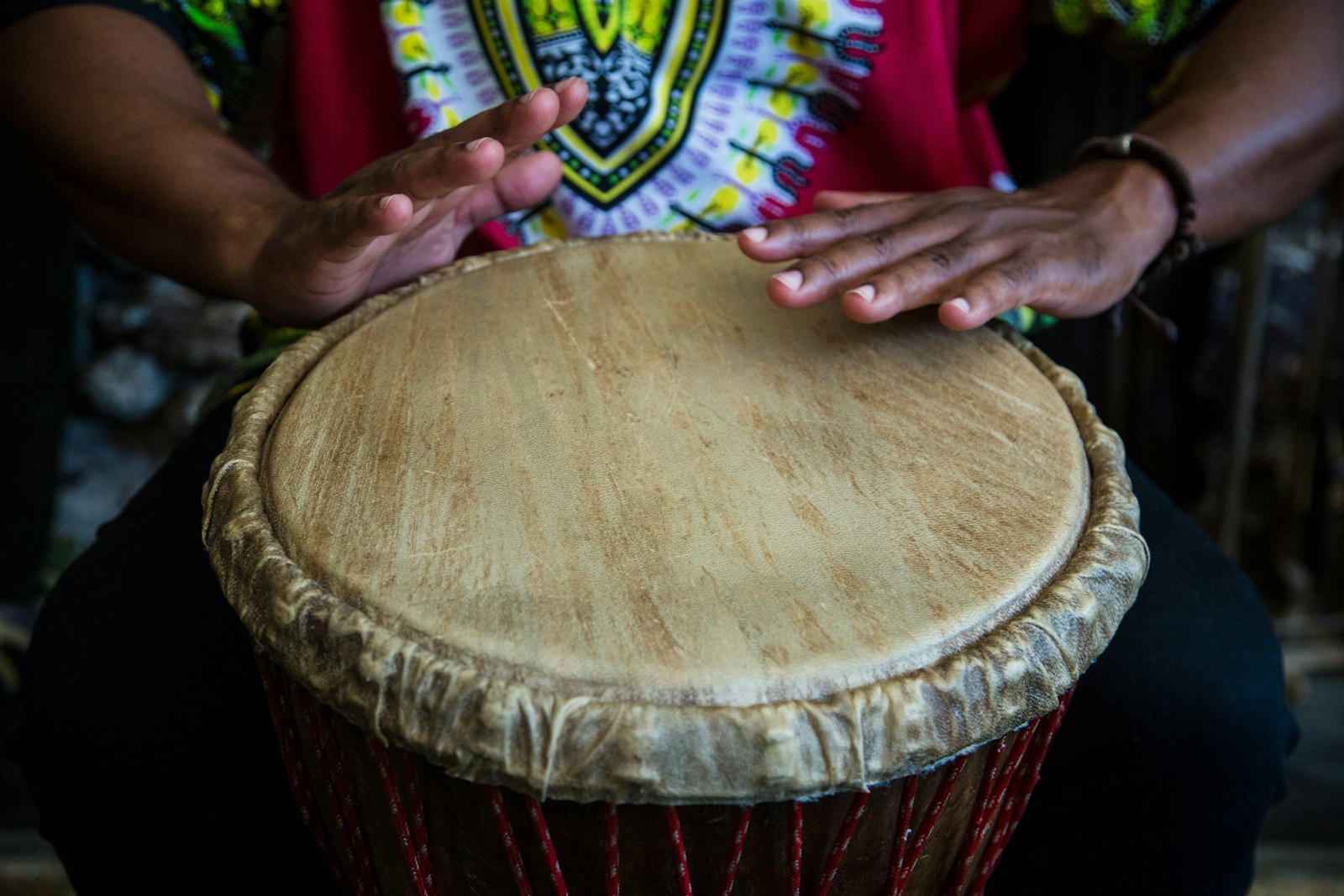
Organizing a drumming retreat is a labor of love. Whether you are hosting a weekend of djembe intensives in the mountains or a meditative frame drum sanctuary by the sea, the goal is always the same: to create a transformative space where rhythm connects the soul. However, the most profound curriculum in the world won't make an impact if the drums aren't being played.
Learning how to effectively promote drumming retreats requires a blend of digital savvy and authentic community building. In this guide, we’ll explore how to reach your ideal participants and ensure your next rhythm gathering is a soulful success.
Define Your Unique Rhythmic Value Proposition
Before you post a single flyer or social media update, you must define what makes your retreat unique. The world of percussion is vast. Are you focusing on the technical mastery of the dunun and djembe? Is this a family-friendly circle focused on recreational play? Or perhaps a deep dive into the healing aspects of the doumbek and riq?
To promote drumming retreats successfully, you must speak directly to the desires of your niche. A student looking for a masterclass in West African polyrhythms is searching for a very different experience than someone seeking a "Full Moon Rhythm & Yoga" weekend. Be specific about the instruments, the skill level required, and the lineage or style of drumming you will be teaching.
Leverage Global and Local Directories
One of the most common mistakes facilitators make is relying solely on their personal social media following. To reach a global audience of rhythm seekers, you need to be where they are already looking.
Listing your event on specialized platforms like Drumming Retreats ensures that your gathering is visible to people actively searching for an immersive experience. Unlike broad event sites, niche directories cater to the hand-drumming community, meaning every visitor is a potential participant. Ensure your listing includes high-quality photos of previous circles, a clear itinerary, and details about the venue’s acoustics and natural surroundings.
Content Marketing: Show, Don't Just Tell
Drumming is a visceral, auditory, and visual experience. Static text rarely captures the magic of twenty people hitting a synchronized groove. To promote your retreat, use multi-media content that transports the viewer into the circle:
- Video Snippets: Share short clips of call-and-response exercises or the sunset over last year’s campfire circle.
- Testimonials: Let past attendees describe the feeling of the "heartbeat" of the group.
- Educational Posts: Write about the history of the conga or the benefits of hand drumming for stress relief.
By providing value before you ask for a booking, you establish yourself as a trusted authority. If you are also a teacher, linking to your profile in a list of drum teachers can help build a year-round rapport with students who may eventually join your retreats.
Build Partnerships with Local Drum Circles
Grassroots marketing remains incredibly effective in the drumming world. The people most likely to attend a three-day retreat are those already attending weekly community jams.
Reach out to facilitators of local drum circles and offer to provide them with flyers or a special discount code for their members. In exchange, you might offer to host a free workshop for their group. This reciprocal relationship strengthens the entire rhythm community and places your retreat in front of a warm audience of active players.
Master the Early Bird and Tiered Pricing Strategy
Retreats often require significant upfront costs for venues and catering. To manage your cash flow and build momentum, use tiered pricing.
- The Super Early Bird: Offer a deep discount for the first five people who sign up. This creates immediate social proof.
- The Early Bird: A standard discount ending 60-90 days before the event.
- The Buddy Pass: Offer a discount for two people booking together. Drumming is a social activity; encourage your students to bring a friend from their local drum schools.
Email Marketing: The Slow Burn
Social media algorithms are fickle, but an email list is an asset you own. Start an email sequence specifically for your retreat at least six months in advance.
Don't just send "Buy Now" emails. Send stories. Share a deep dive into the specific rhythm you'll be focusing on. Explain the cultural significance of the instruments you'll use. By the time you announce that registration is open, your subscribers should already feel connected to the vision of the retreat.
Utilize Targeted Social Media Groups
While your personal page is great, niche Facebook groups and forums dedicated to djembe, darbuka, or sound healing are goldmines. However, etiquette is key. Do not just drop a link and leave. Engage with the community, answer questions about technique, and share your passion. When you do share your retreat, it will feel like an invitation from a friend rather than a cold advertisement.
Find a drum circle near you to start building those vital local connections today.
Frequently asked
- What is the best time of year to promote a drumming retreat?
- Ideally, you should begin your primary promotion 6 to 9 months before the event date. Many participants need time to arrange travel and time off work, especially for international retreats. Peak booking periods often occur in January, when people are planning their annual goals and vacations.
- How do I find participants for a niche drumming style like frame drumming?
- For niche styles, focus on online communities and specialized directories. Connect with teachers who specialize in that instrument and ask if they would be willing to share your retreat with their students in exchange for a referral fee or a guest teaching spot.
- Should I include the cost of instruments in the retreat price?
- It depends on your target audience. For beginner retreats, providing instruments is a significant selling point. For advanced masterclasses, participants usually prefer to bring their own. Always offer a 'drum rental' option for those traveling from afar to make the event more accessible.
Find a drum circle near you
Browse hundreds of circles, teachers and rhythm community gatherings.
Explore drum circles