
Public Drum Circle Asheville: A Guide to the Friday Night Rhythms
Experience the heartbeat of the Blue Ridge at the legendary Pritchard Park drum circle. Discover what to bring, what to expect, and how to join this iconic Asheville tradition.
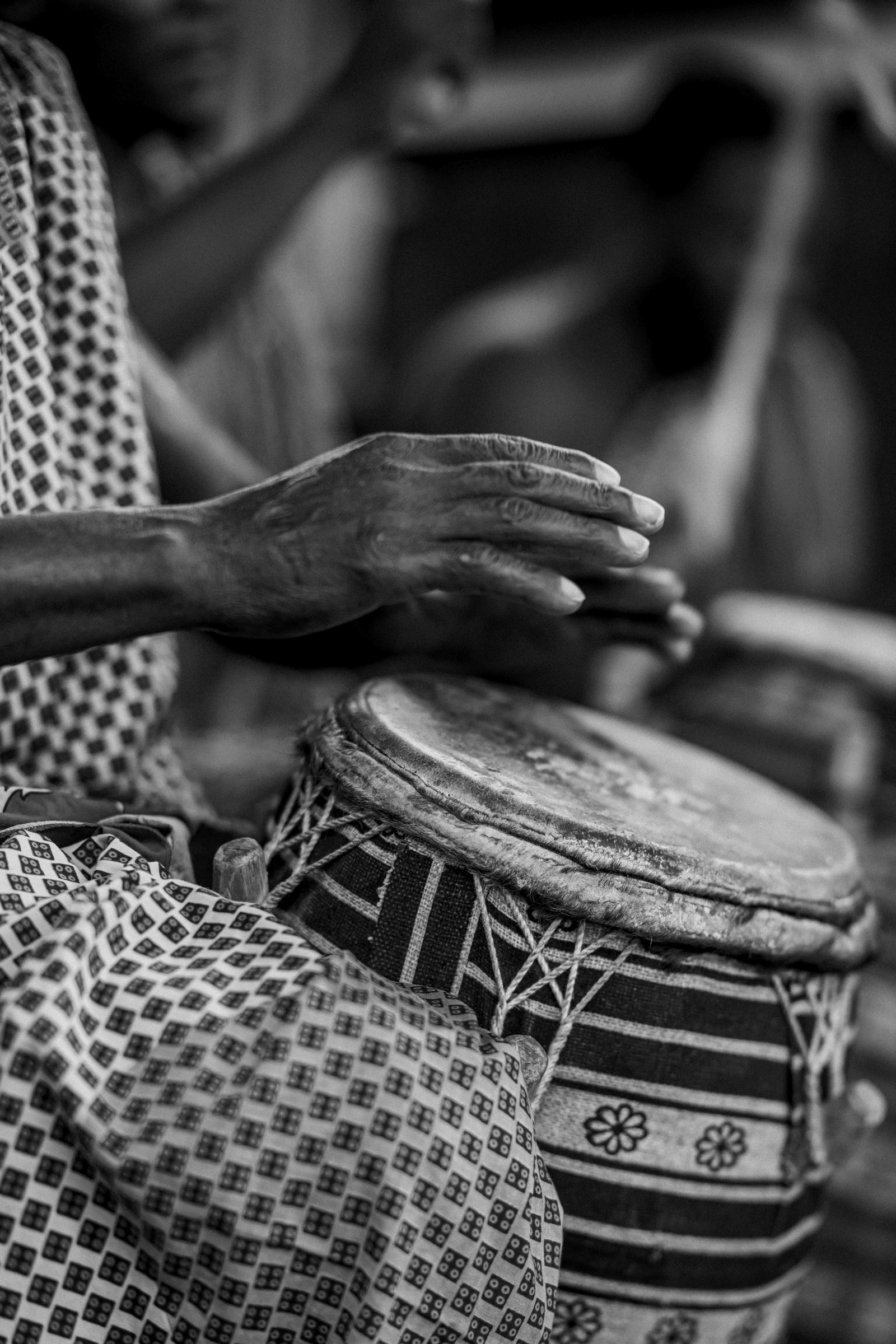
If you find yourself in downtown Asheville, North Carolina, on a Friday evening between April and October, you don’t need a map to find the city’s heartbeat. You only need to follow your ears. The thunderous, rhythmic pulse of the public drum circle Asheville hosts at Pritchard Park has become a global landmark for rhythm enthusiasts and travelers alike.
For over twenty years, this gathering has transformed a small urban park into a swirling vortex of djembe beats, dancing, and community connection. Whether you are a seasoned percussionist or a curious traveler, understanding the flow of this event will help you dive deep into the rhythm.
The History of the Pritchard Park Drum Circle
What started as a small gathering of local drummers in the late 1990s has evolved into one of the most famous public drum circles in the United States. Unlike organized performances, this is a grassroots phenomenon. There is no stage, no tickets, and no single leader.
The circle represents Asheville’s unique mountain culture—a blend of Appalachian tradition, bohemian spirit, and inclusive community values. It serves as a weekly town square where tech workers, street performers, families, and retirees all share the same pulse.
What to Expect at the Circle
As the sun begins to dip behind the Blue Ridge Mountains, the first few beats ring out. By 6:00 PM, the stone amphitheater of Pritchard Park is usually packed.
- The Sound: You’ll hear a massive wall of sound. While African djembe rhythms often dominate, you’ll also hear the sharp slap of congas, the deep boom of dununs, and the metallic ring of cowbells and shakers.
- The Crowd: The inner circle is for drummers and dancers. The outer rings are filled with spectators, children, and hula-hoopers.
- The Vibe: It is high-energy and loud. If you prefer a quiet, meditative frame drum session, this might feel overwhelming at first, but the infectious joy is hard to resist.
Essential Etiquette for Newcomers
While the Asheville scene is welcoming, following basic drum circle etiquette ensures the rhythm stays cohesive. The goal is to contribute to the collective sound, not to compete with it.
- Listen First: Before you start hitting your drum, listen for the established beat. Try to lock in with the bass drummers before adding complex flourishes.
- Ask Before Borrowing: Never pick up someone else's instrument without asking. Many drummers have hand-carved instruments that are deeply personal.
- Support the Dancers: The relationship between the drum and the dance is sacred here. If a dancer is moving to your beat, keep it steady!
- Share the Space: If the circle is crowded, take turns. Give others a chance to step into the center.
Choosing the Right Instrument
If you’re planning to join the public drum circle Asheville offers, you’ll want an instrument that can hold its own against the volume of the crowd.
- Djembe: The most popular choice for its versatility and volume.
- Congas: Great for adding melodic, mid-range tones.
- Ashiko: A sturdy, tapered drum that provides a bright, sharp sound.
- Hand Percussion: If you don't have a drum, a high-quality shaker, tambourine, or Clave can be heard surprisingly well even in a large group.
If you are new to these instruments, consider looking for drum teachers in the Western North Carolina area to learn the basic strokes: bass, tone, and slap.
Beyond Pritchard Park: Other Asheville Rhythm Opportunities
While Friday nights are the main event, Asheville’s rhythm scene extends throughout the week. Many local drum schools offer workshops in West Asheville and the River Arts District.
For those seeking a more structured or spiritual experience, look for full-moon circles or indoor community jams that happen during the winter months when the park is quiet. You can often find these listed in our local events calendar.
If you want to take your playing to the next level, the region also hosts several world-class drumming retreats in the nearby mountains, focusing on everything from West African polyrhythms to therapeutic drumming techniques.
Practical Tips for Your Visit
- Parking: Downtown Asheville gets busy on Friday nights. Arrive early to find parking in the Wall Street or Civic Center garages.
- Weather: The circle is weather-dependent. If there is a heavy downpour, the drummers usually pack up to protect their drum skins.
- Ear Protection: It gets loud! If you have sensitive ears or are bringing children, high-fidelity earplugs are a great investment.
- Hydration: Drumming for three hours is a workout. Bring water, though there are plenty of local cafes surrounding the park.
Find a drum circle near you at Drum Circle Directory.
Frequently asked
- What time does the Asheville drum circle start?
- The Pritchard Park drum circle typically begins around 6:00 PM every Friday evening from April through October. The energy usually peaks between 7:00 PM and 8:30 PM, concluding by 9:00 PM due to local noise ordinances.
- Is the Asheville drum circle family-friendly?
- Yes, it is a multi-generational event. Children are very welcome and often dance in the center of the circle or play small shakers. However, it can be very loud and crowded, so keep a close eye on little ones and consider ear protection for them.
- Do I need to bring my own drum to the Asheville circle?
- While most participants bring their own djembe or percussion, you are welcome to just watch and dance. Occasionally, community members may have extra instruments to share, but to guarantee a spot in the rhythm, it is best to bring your own gear.
- Where exactly is the drum circle located?
- The circle takes place at Pritchard Park, located at 67 Patton Avenue in the heart of downtown Asheville. It is an outdoor triangular park with built-in stone seating that acts as a natural amphitheater.
Find a drum circle near you
Browse hundreds of circles, teachers and rhythm community gatherings.
Explore drum circles