Finding and Joining a Public Drum Circle: A Complete Guide
Discover the magic of a public drum circle, from finding your local community to mastering basic etiquette and rhythm.
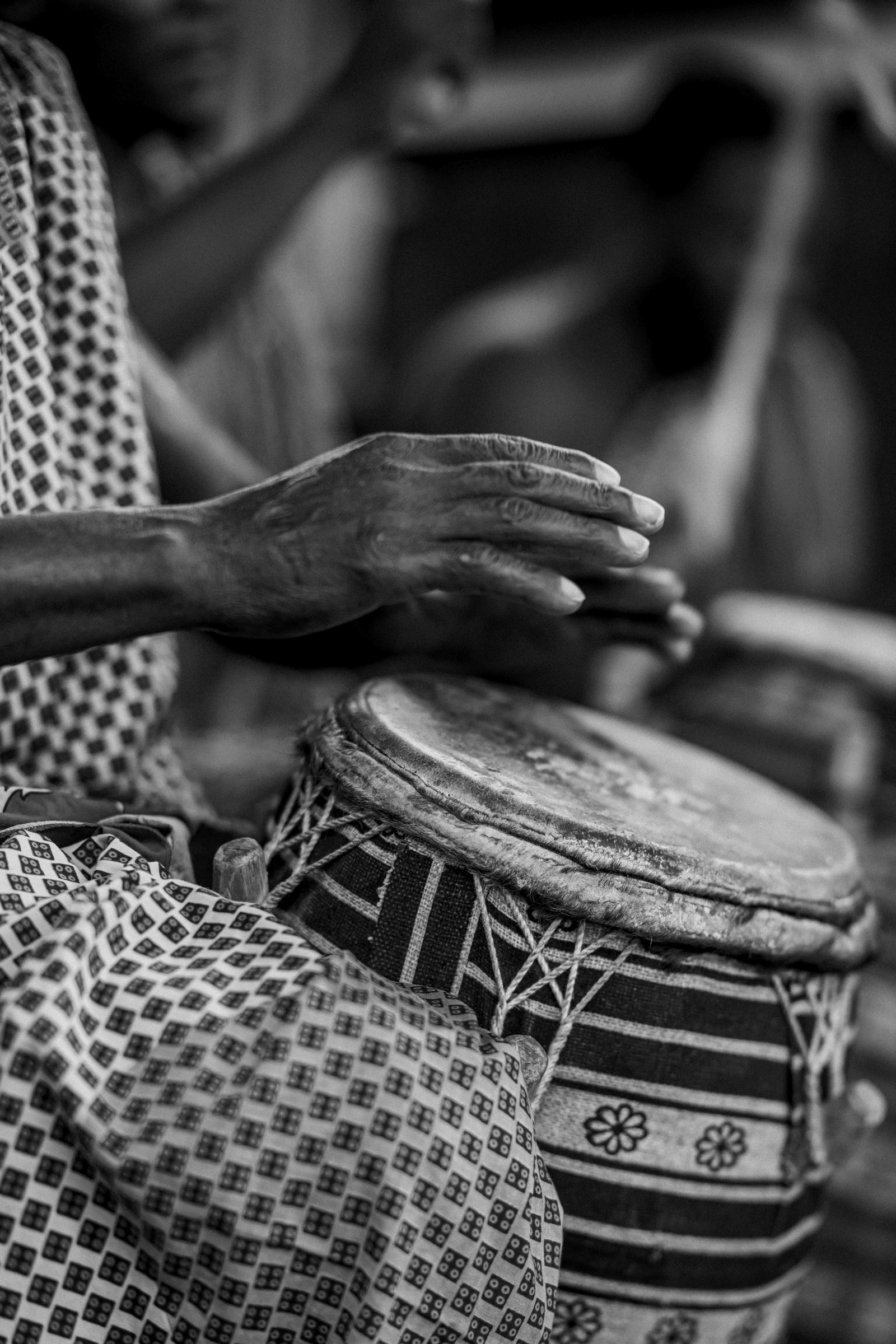
There is a unique magic that happens when a group of strangers gathers in a park, on a beach, or in a community center to create a collective heartbeat. This is the essence of a public drum circle. Unlike a formal concert where there is a clear divide between performer and audience, a drum circle invites everyone to participate in the creation of music. Whether you are a seasoned percussionist or someone who has never touched a drum in your life, the circle has a place for you.
Public drum circles are more than just musical events; they are celebrations of community, mindfulness, and the universal language of rhythm. In this guide, we will explore what to expect, how to prepare, and why these gatherings have become a global phenomenon for health and connection.
What is a Public Drum Circle?
A public drum circle is an informal gathering where people play hand drums and percussion instruments together. These events are often free or low-cost and are generally open to all ages and skill levels. The music is usually improvised, evolving naturally as participants listen to one another and respond with their own rhythmic patterns.
You might find a high-energy full-moon gathering on a sandy beach or a quiet, meditative circle in a local park. Some are led by a professional facilitator who uses hand signals to guide the dynamics and tempo, while others are 'organic,' meaning the rhythm finds its own way through collective intuition. Regardless of the format, the goal is always the same: to create a supportive environment where everyone feels comfortable contributing to the groove.
Essential Instruments You Will See
When you step into a public drum circle, you will see a diverse array of instruments from around the world. While you don't need to own an expensive drum to join, it helps to recognize the common voices in the circle:
- Djembe: The most popular drum in modern circles. This goblet-shaped drum from West Africa offers a deep bass and sharp, high-pitched slaps.
- Congas: Tall, narrow drums from Cuba that provide warm, melodic tones.
- Doumbek: A goblet drum from the Middle East, often made of ceramic or metal, known for its crisp 'doum' and 'tek' sounds.
- Frame Drums: Large, shallow drums like the Irish bodhrán or the Middle Eastern tar, often played with the hands or a soft mallet.
- Dunun: Large cylindrical drums played with sticks, often providing the steady 'heartbeat' or foundation of the rhythm.
- Auxiliary Percussion: This includes shakers, cowbells, woodblocks, and tambourines. These are perfect for beginners who want to contribute without the pressure of leading a beat.
If you don't have your own instrument, many organizers provide an 'instrument petting zoo' or extra drums for newcomers to borrow. If you are looking to develop your skills further, connecting with drum teachers can help you master these specific instruments.
Navigating Drum Circle Etiquette
While public drum circles are inclusive, there are a few unwritten rules—or 'rhythm etiquette'—that ensure the experience remains enjoyable for everyone. Following these simple guidelines will help you blend in and contribute positively:
- Listen First: Before you start playing, take a moment to listen to the existing rhythm. Try to find the 'pulse' or the 'downbeat' before adding your voice.
- Support the Groove: You don't need to play a complex solo. Often, the most helpful thing you can do is play a simple, steady pattern that reinforces the foundation.
- Leave Space: Music is made of sound and silence. Don't feel the need to play every single beat. Leaving 'holes' in your rhythm allows other instruments to be heard.
- Watch the Facilitator: If there is a leader in the center, keep an eye on them. They may use signals to bring the volume down (decrescendo) or stop the music entirely.
- Ask Before Playing Someone Else's Drum: Many drummers are very protective of their instruments. Always ask permission before trying out a drum that isn't yours.
The Health and Wellness Benefits of Group Drumming
Beyond the fun of making music, participating in a public drum circle offers significant physical and mental health benefits. Research has shown that group drumming can reduce stress, lower blood pressure, and even boost the immune system. The act of drumming requires a level of focus that serves as a form of 'active meditation,' helping to quiet the mind and reduce anxiety.
Socially, these circles combat isolation. In an increasingly digital world, the physical act of sitting in a circle with others and creating something in real-time fosters a deep sense of belonging. This is why many drumming retreats focus on the therapeutic aspects of rhythm, using the drum as a tool for healing and personal growth.
How to Find a Circle Near You
Finding a public drum circle is easier than you might think. Many communities host regular events in public squares, community centers, or through local drum schools. These gatherings are often advertised on social media, local community boards, or specialized directories.
If you are traveling, looking for a circle is a fantastic way to meet locals and experience the cultural heartbeat of a new city. From the legendary Sunday drum circle at Asheville’s Pritchard Park to the vibrant beach circles in Venice, California, there is a rhythm waiting for you almost everywhere.
Tips for Your First Visit
If it’s your first time, it’s normal to feel a bit nervous. Here are a few tips to make your first public drum circle a success:
- Arrive Early: This gives you a chance to meet the organizers and find a comfortable spot before the music gets loud.
- Dress Comfortably: You’ll likely be sitting for a while, and drumming can be a physical workout. Wear layers and avoid large rings or bracelets that might damage the drum head.
- Bring Water: Staying hydrated is key, especially at outdoor summer events.
- Smile and Connect: Most drum circles are incredibly welcoming. A simple nod or smile to your neighbor goes a long way in building the collective energy.
Public drum circles are a testament to the power of human connection. They remind us that we are all rhythmic beings, capable of contributing to a larger, beautiful whole. Whether you play a djembe, a shaker, or just clap your hands, your presence matters.
Find a drum circle near you by visiting our drum circles directory today.
Frequently asked
- Do I need to be a drummer to join a public drum circle?
- Absolutely not! Most public drum circles are open to all skill levels, including complete beginners. Many people join just to play a simple shaker or to experience the community atmosphere.
- What should I bring to a drum circle?
- If you have a drum, bring it! If not, bring a small percussion instrument like a shaker. It is also wise to bring a folding chair, water, and ear protection if you have sensitive hearing.
- Are children allowed at public drum circles?
- Most public circles are family-friendly and welcome children. It is a great way for kids to learn about rhythm and cooperation, though parents should ensure their children follow the basic etiquette of the group.
Find a drum circle near you
Browse hundreds of circles, teachers and rhythm community gatherings.
Explore drum circles