
Recovery Drumming Circle: Finding Rhythms of Healing and
Discover how recovery drumming circles use the power of the beat to support sobriety, emotional release, and community connection.
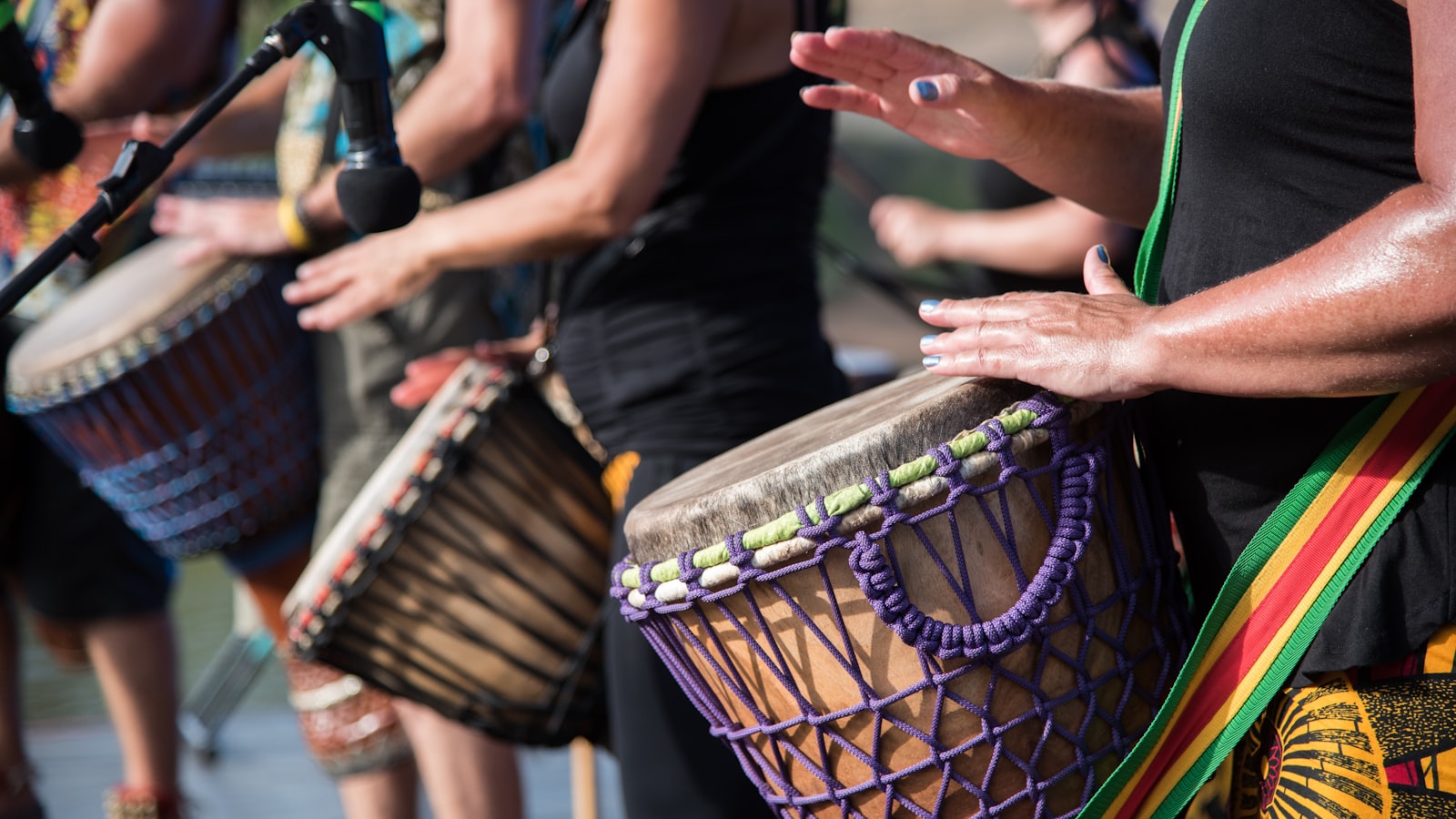
Recovery is rarely a straight line. It is a process of reclaiming one's voice, body, and sense of belonging. While traditional talk therapy and support groups form the backbone of many journeys, a recovery drumming circle offers something unique: a non-verbal, visceral way to process emotion and build community.
In these circles, the djembe, the frame drum, and the shaker become tools for transformation. You don’t need to be a musician to participate. You only need a heartbeat and a willingness to sit in the circle.
The Science of Rhythm and Regulation
When we engage in a recovery drumming circle, we are doing more than making noise. We are engaging in a practice that has profound effects on the nervous system. For those in recovery from substance use or trauma, the nervous system is often stuck in a state of hyper-vigilance or numbness.
Group drumming has been shown to:
- Reduce Cortisol: Lowering stress hormones helps manage the anxiety that often triggers relapse.
- Increase Alpha Waves: The repetitive nature of a steady beat induces a meditative state, promoting relaxation.
- Induce Synchrony: When a group drums together, their brainwaves and heart rates often begin to synchronize, fostering a deep sense of social safety.
Why the Drum is a Powerful Recovery Tool
Unlike traditional therapy, drumming doesn't require you to find the "right" words. Often, the shame or pain associated with addiction is too heavy for language. The drum allows that energy to move out of the body through the hands.
In a circle, the call-and-response technique mimics healthy communication. One person "speaks" through a rhythm on their conga, and the group reflects it back. This builds confidence and reminds the individual that they are heard and supported by their community.
What to Expect at Your First Recovery Circle
If you are new to the scene, walking into a room full of percussionists might feel intimidating. However, recovery-focused circles are famously inclusive. Most facilitators prioritize the "spirit of the beat" over technical perfection.
Typically, the session begins with a check-in or a brief meditation. You might start with a simple heartbeat rhythm—a foundational pulse that everyone can follow. As the energy builds, the facilitator may introduce different instruments, from the deep bass of the dunun to the sharp, high tones of the doumbek.
If you want to dive deeper into the technical side of the instrument to enhance your practice, connecting with drum teachers who specialize in therapeutic rhythm can be a life-changing step.
Instruments Commonly Used in Healing Circles
While any object can be a drum, certain instruments are staples in recovery settings due to their tactile feedback and ease of use:
- Djembe: The most popular choice, offering a wide range of sounds (bass, tone, and slap) that allow for diverse emotional expression.
- Frame Drum: Often held close to the heart, these drums are perfect for gentle, meditative work and personal reflection.
- Shakers and Shekeres: These provide a constant "glue" for the rhythm, helping those who might feel overwhelmed by a large drum to still participate.
- Buffalo Drums: Known for their deep, grounding resonance that vibrates through the chest cavity.
Building Community Beyond the Circle
Isolation is the enemy of recovery. The recovery drumming circle provides a sober social outlet where the focus is on creation rather than consumption. Many participants find that the bonds formed over a shared groove are stronger than those formed in other social settings.
For those looking to expand their horizons, attending drumming retreats can offer an immersive experience. These retreats often combine rhythm work with yoga, nature walks, and intensive group processing, providing a sanctuary for those looking to solidify their path to wellness.
Finding Your Beat Locally
Whether you are in early sobriety or have years of recovery under your belt, there is a seat for you in the circle. You don't need to own an instrument; most community groups provide extras for newcomers. The goal isn't to be a master drummer; it's to be present.
If you're ready to find your rhythm, check out upcoming events in your area or search for specialized drum schools that offer wellness-focused programming.
Find a drum circle near you and start your healing journey today.
Frequently asked
- Do I need to know how to play the drums to join a recovery circle?
- No musical experience is necessary. Recovery drumming circles are about expression and connection rather than technical skill. Facilitators will guide you through simple rhythms that anyone can follow.
- What should I bring to my first recovery drumming session?
- Most circles provide drums for participants, but you are welcome to bring your own djembe, frame drum, or shaker. It is also recommended to bring water and wear comfortable clothing that allows for easy movement.
- How does drumming help with addiction recovery specifically?
- Drumming helps by reducing stress, providing a healthy emotional outlet, and rebuilding the social connections that are often lost during active addiction. It also helps regulate the nervous system, making it easier to manage cravings and anxiety.
Find a drum circle near you
Browse hundreds of circles, teachers and rhythm community gatherings.
Explore drum circles