Remote Drum Circle Guide: Digital Connection Through Rhythm
Discover how to bridge the digital gap and find your community through a remote drum circle, featuring tips on technology and group synchronization.
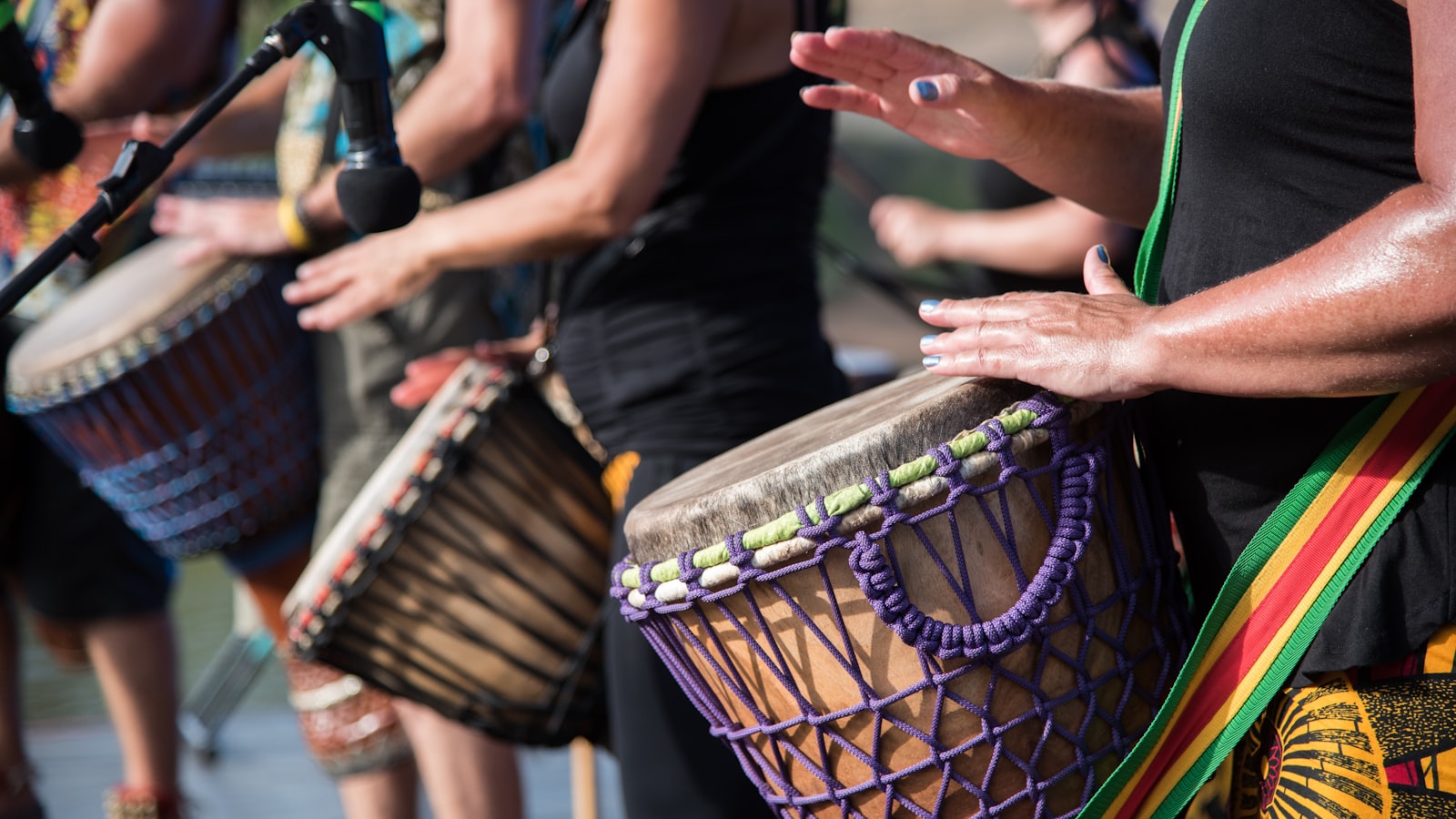
For centuries, the drum circle has been a physical manifestation of community—a place where the djembe, conga, and frame drum meet in a shared physical space. However, the rise of the remote drum circle has transformed how we approach the pulse. Whether you are isolated geographically or looking to connect with a master teacher across the globe, virtual rhythm gatherings offer a unique way to maintain your practice and find your tribe.
The Evolution of the Remote Drum Circle
Transitioning from a park or a studio to a digital screen requires a shift in mindset. In a traditional setting, the vibration of the dununs travels through the floor and into your feet. In a remote setting, that physical resonance is replaced by visual cues and high-fidelity audio.
Remote drumming isn't just a placeholder for "the real thing"; it has become a distinct discipline. Facilitators are now using specialized software to minimize latency, allowing drummers from different continents to lock into a groove together. It has opened doors for those who may not have a local scene but still crave the meditative and social benefits of a group beat.
Essential Gear for Virtual Rhythm
To participate effectively in a remote drum circle, you don't need a professional recording studio, but a few key items will significantly enhance your experience:
- A Reliable Instrument: Whether it’s a crisp-sounding doumbek, a deep-toned djembe, or even a pair of claves, ensure your instrument is within reach.
- External Microphone: Built-in laptop mics often struggle with the high sound pressure levels of drumming. A simple USB condenser microphone can prevent your sound from clipping.
- Headphones: These are non-negotiable. To hear the facilitator and the other participants without feedback loops, you need a solid pair of over-ear headphones.
- Stable Internet: Use an Ethernet cable if possible. Wi-Fi jitter is the enemy of rhythmic synchronization.
If you are looking to sharpen your skills before joining a high-energy session, connecting with drum teachers for one-on-one virtual lessons is an excellent way to get comfortable with the tech.
Overcoming the Latency Challenge
The biggest hurdle in any remote drum circle is latency—the slight delay between when a sound is made and when others hear it. While standard video conferencing tools are great for talking, they can be tricky for real-time music.
Expert facilitators often use one of two methods to manage this:
- The Muted Play-Along: The facilitator plays a steady heartbeat or a complex West African rhythm, and all participants play along while muted. You hear the leader and yourself perfectly, creating a personal practice space within a collective environment.
- Low-Latency Software: Platforms like JackTrip or Jamulus allow for near-instantaneous audio transmission, making it possible to actually hear the group's collective "one" in real-time.
Etiquette for the Digital Circle
Just like a physical gathering, a remote drum circle has its own set of unwritten rules to ensure everyone has a positive experience:
- Test Your Levels: Arrive five minutes early to check your microphone gain. You don't want your bass note to drown out the entire group.
- Mind the Mute Button: Unless the facilitator asks for an open-mic jam, stay muted while others are sharing or during instructional segments.
- Visual Feedback: Since we lose some of the sonic nuances, use exaggerated body language. A thumbs-up or a sway of the shoulders helps the facilitator know you’re locked in.
- Respect the Space: Treat the virtual room with the same reverence you would a sacred fire circle or a community center floor.
Finding Your Virtual Community
One of the greatest benefits of the digital shift is accessibility. You can join events hosted by world-renowned percussionists that were previously out of reach. From full-moon virtual circles to specialized frame drum intensives, the options are vast.
Many practitioners find that after experiencing the ease of a remote session, they are even more motivated to seek out drumming retreats where they can finally meet their digital friends in person. It’s about building a bridge between the convenience of the home studio and the raw power of in-person connection.
The Health and Wellness Benefits of Remote Drumming
Even through a screen, the act of drumming releases endorphins and reduces cortisol. The repetitive nature of a 12/8 bell pattern or a simple four-on-the-floor beat provides a meditative escape. For those dealing with mobility issues or social anxiety, the remote drum circle provides a safe, accessible entry point into the world of percussion.
By focusing on the call-and-response patterns led by a facilitator, you engage both hemispheres of the brain. This cognitive workout is just as effective online as it is offline, proving that rhythm truly knows no boundaries.
Ready to find your beat? Find a drum circle near you or join a global community today.
Frequently asked
- Can I participate in a remote drum circle if I don't own a drum?
- Absolutely! Many virtual circles encourage 'found percussion,' such as using a tabletop, a plastic bucket, or even clapping. The goal is rhythmic participation and community connection rather than professional performance.
- How do I deal with audio lag during a virtual session?
- Most facilitators use a 'leader-led' model where participants stay muted and play along with the host to avoid lag. For real-time jamming, you may need specialized low-latency software and a high-speed wired internet connection.
- Is a remote drum circle suitable for absolute beginners?
- Yes, many remote circles are specifically designed for beginners. The virtual environment is actually less intimidating for many newcomers because you can practice your technique in the privacy of your own home while still feeling the energy of the group.
Find a drum circle near you
Browse hundreds of circles, teachers and rhythm community gatherings.
Explore drum circles