
Finding Your Beat: The Ultimate Guide to the Rhythm Circle
Discover the transformative power of the rhythm circle, where community connection and ancient percussion traditions meet in a modern drum circle setting.
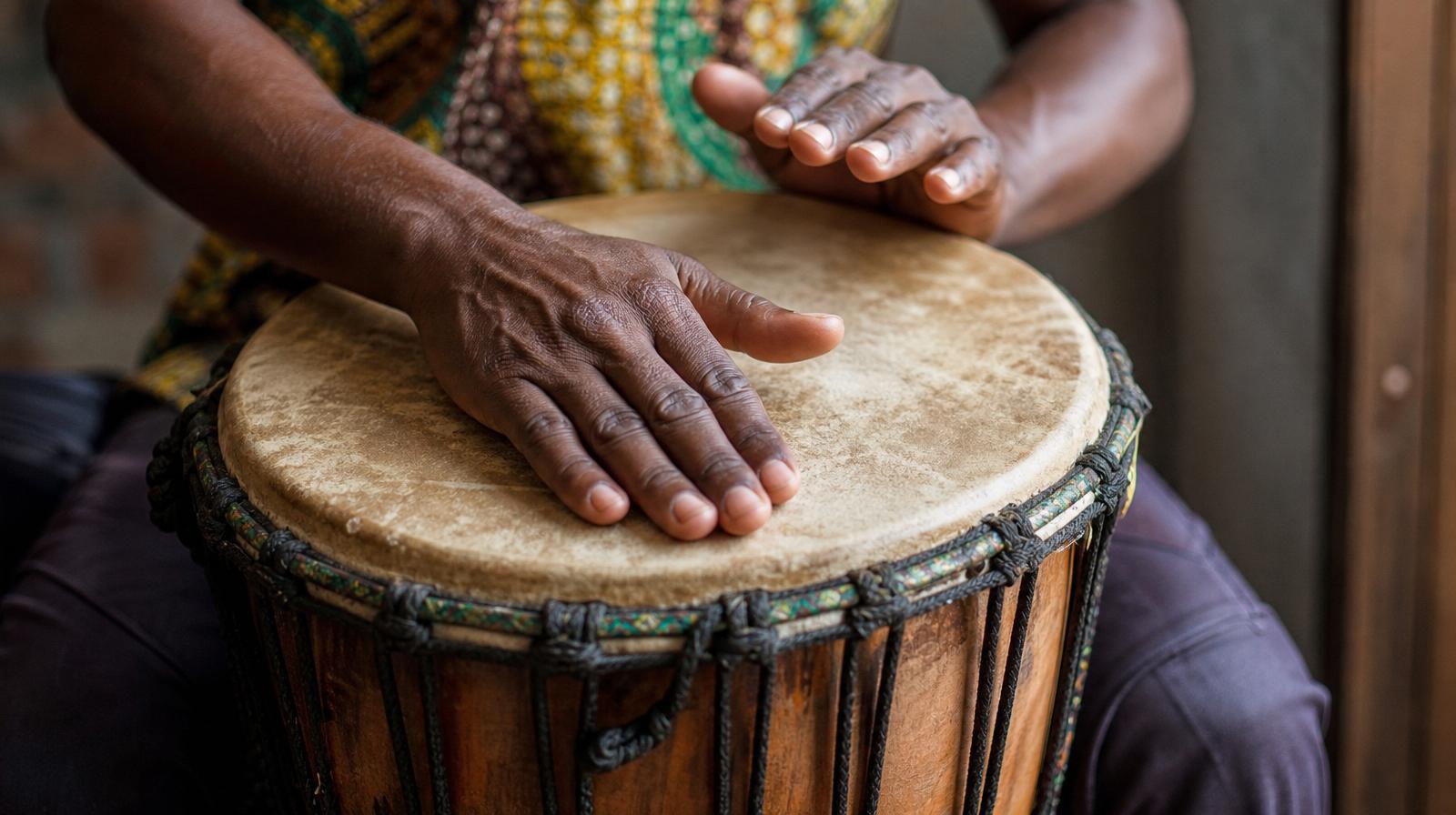
There is something primal and profoundly moving about the sound of a collective pulse. When a group of people gathers in a seated ring, instruments in hand, they create more than just music; they create a rhythm circle. This ancient practice of communal drumming has seen a massive resurgence in recent years, evolving into a modern tool for stress relief, social bonding, and artistic expression.
Whether you are holding a djembe for the first time or you are a seasoned percussionist, the rhythm circle offers a space where every voice—and every beat—matters. In this guide, we will explore the nuances of these gatherings, from the instruments you’ll encounter to the unspoken rules that keep the groove alive.
What Exactly is a Rhythm Circle?
A rhythm circle, often referred to interchangeably as a drum circle, is a collaborative musical experience where participants sit in a circle to play hand drums and percussion. Unlike a traditional band or orchestra, there is often no sheet music and no audience. The participants are the performers, and the performance is the participation.
These gatherings can range from small, informal backyard jams to large-scale facilitated events with hundreds of people. In a facilitated rhythm circle, a leader (the facilitator) helps guide the energy, using signals to start, stop, or change the tempo, ensuring that even complete beginners feel confident contributing to the collective sound.
The Essential Instruments of the Circle
While any object that makes a sound can technically join a rhythm circle, certain instruments form the backbone of the experience. Each brings a unique frequency and character to the mix.
- The Djembe: The most iconic drum in the circle. This West African skin-covered drum is shaped like a goblet and offers three distinct sounds: the deep bass, the mid-range tone, and the sharp slap.
- The Doumbek: A goblet-shaped drum from the Middle East, known for its crisp, metallic tones and intricate finger-tapping techniques.
- Congas and Bongos: Afro-Cuban staples that provide a warm, melodic quality to the rhythm.
- Frame Drums: One of the oldest drum types, these are often played with the hands or a soft mallet, producing a hypnotic, earthy drone.
- Dunun: These are the large, cylindrical bass drums of West Africa, played with sticks, providing the "heartbeat" that anchors the faster djembe rhythms.
- Auxiliary Percussion: Shakers, cowbells, woodblocks, and tambourines are the "seasoning" of the circle, adding texture and high-frequency energy.
Understanding Rhythm Circle Etiquette
For a rhythm circle to thrive, participants must follow a few unwritten rules of harmony. This ensures that the music remains a conversation rather than a shouting match.
- Listen More Than You Play: The key to a great circle is the space between the notes. Listen to the person next to you and the pulse of the center. If you can't hear the person across from you, you might be playing too loudly.
- Support the Pulse: Beginners often find success by sticking to a simple, steady beat. You don't need to play complex solos; the most valuable player is often the one holding down the basic 4/4 time.
- Respect the Facilitator: If there is a facilitator, keep an eye on them for signals. They may use a "cut-off" sign to end a song or a hand gesture to bring the volume down.
- Ask Before Borrowing: Drums are personal and often expensive. Always ask for permission before playing someone else’s instrument.
- Leave Your Ego at the Door: A rhythm circle is about community, not virtuosity. It is a "low-stakes" environment designed for connection, not competition.
The Benefits of Group Drumming
Participating in a rhythm circle isn't just fun; it's scientifically proven to be good for you. Research has shown that group drumming can lower cortisol levels, reduce stress, and even boost the immune system by increasing natural killer cell activity.
Beyond the physical, there is a deep psychological benefit. Drumming in a group releases endorphins and promotes a sense of "synchrony," which helps people feel more connected to their community. For many, the rhythm circle is a form of active meditation, where the chatter of the mind is replaced by the singular focus of the beat.
Finding Your Place in the Community
If you are feeling the call of the drum, there are many ways to get involved. Many local parks, community centers, and yoga studios host monthly full-moon gatherings or family-friendly circles. These are excellent places to start because they are usually open to all skill levels.
For those who want to take their playing to the next level, seeking out drum teachers or enrolling in drum schools can help you master specific techniques like the traditional polyrhythms of West Africa or the complex odd-meter beats of the Middle East. If you're looking for an immersive experience, many practitioners attend drumming retreats to spend a week living and breathing rhythm in a natural setting.
Facilitated vs. Free-Form Circles
It is helpful to know what kind of event you are attending. A free-form circle is organic; the rhythm starts with one person and evolves naturally. These can be magical, but they can also become chaotic if players don't listen well.
A facilitated rhythm circle is structured. The facilitator might lead the group through call-and-response exercises, where they play a rhythm and the group repeats it back. This creates a cohesive sound very quickly and is often preferred for corporate team-building or therapeutic settings.
Bringing the Rhythm Home
You don't have to wait for a scheduled event to practice. You can start your own small rhythm circle with a few friends in a living room or backyard. All you need is a few instruments and a willingness to explore. As you grow more comfortable, you can look for larger events in your area to join the wider rhythmic community.
No matter where you are on your journey, remember that the rhythm is already inside you. Your heartbeat was the first drum you ever heard. The rhythm circle is simply a way to share that innate pulse with the world around you.
Find a drum circle near you and start your journey today.
Frequently asked
- Do I need to own a drum to join a rhythm circle?
- Not necessarily. Many organized rhythm circles and facilitated events provide 'loaner' instruments like djembes or shakers for beginners. However, it is always a good idea to check the event description or contact the organizer beforehand to ensure extra instruments are available.
- What should I wear to a drum circle?
- Comfort is key. Wear loose-fitting clothing that allows you to sit comfortably for an hour or more. Since many drums are held between the knees, skirts should be full or pants should be flexible. Also, consider removing rings or large bracelets, as they can damage the drum head or rattle while you play.
- Can children participate in a rhythm circle?
- Most community rhythm circles are family-friendly and welcome children of all ages. Drumming is a fantastic way for kids to develop motor skills and social cooperation. Just ensure they are supervised and encouraged to follow the basic etiquette of listening to the group pulse.
Find a drum circle near you
Browse hundreds of circles, teachers and rhythm community gatherings.
Explore drum circles