Building a Rhythm Community: The Power of Shared Drumming
Discover how a rhythm community transcends music to foster deep human connection, well-being, and a shared sense of belonging through the drum.
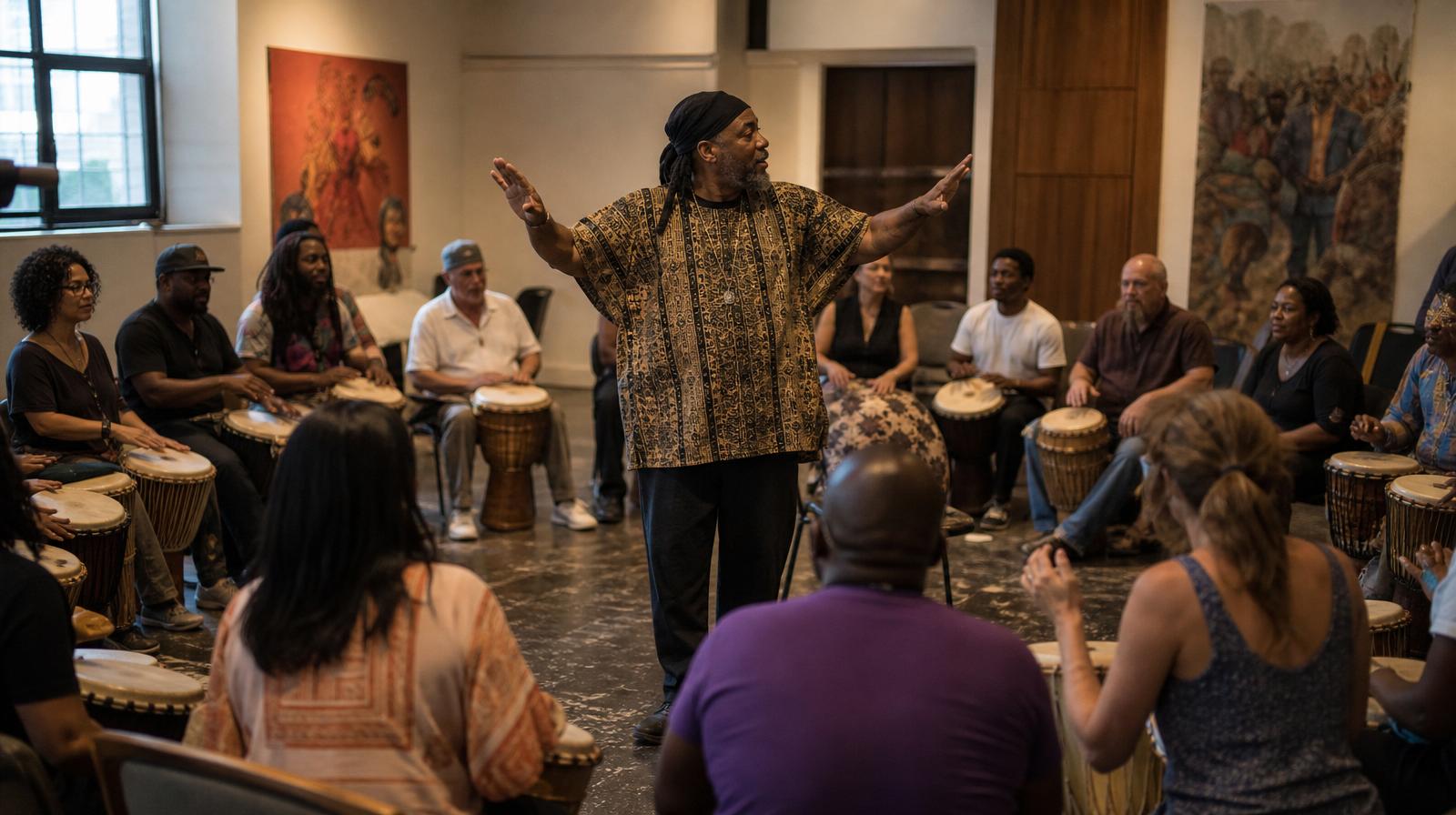
There is an ancient, primal magic that happens when a group of people strikes a drum in unison. It is more than just noise; it is the birth of a rhythm community. This unique social structure isn't defined by age, profession, or musical skill level. Instead, it is defined by a shared pulse—a collective heartbeat that bridges gaps and fosters a profound sense of belonging.
Whether you are a seasoned percussionist or someone who has never touched a drum, the rhythm community offers a space where every voice matters. In this guide, we will explore what makes these communities so vital, how they function, and how you can find your place within the circle.
What is a Rhythm Community?
A rhythm community is a group of individuals who gather to create spontaneous or structured music using percussion instruments. Unlike a formal orchestra with a rigid hierarchy, a rhythm community often operates on the principle of inclusivity.
In these spaces, you will see a diverse array of instruments. You might hear the deep, resonant bass of a djembe, the sharp crack of a doumbek, or the steady, grounding pulse of the dunun. Some participants may prefer the delicate shimmer of a frame drum or the rhythmic complexity of congas. Despite the variety of sounds, the goal remains the same: to contribute to a cohesive, rhythmic whole.
The Heart of the Circle: Connection and Belonging
At its core, a rhythm community is about human connection. In our modern, digitally-driven world, many of us suffer from a lack of face-to-face interaction. The drum circle provides a remedy. When we drum together, our brain waves and heart rates often synchronize, creating a state of "entrainment."
- Non-Verbal Communication: Drumming allows us to speak without words. Through call-and-response patterns, we listen and react to one another in real-time.
- Breaking Down Barriers: In the circle, there are no CEOs or students—only drummers. This egalitarian environment fosters mutual respect.
- Safe Expression: For many, the drum is a tool for emotional release, providing a safe outlet for stress, joy, or grief.
Types of Rhythm Gatherings
Not every rhythm community looks the same. Depending on your interests, you might find yourself in several different environments:
1. The Community Drum Circle
These are often public, family-friendly events held in parks or community centers. They are usually "facilitated," meaning a leader helps guide the energy and ensures everyone can participate comfortably. These are perfect for beginners looking to dip their toes into the local drum circle scene.
2. Traditional Study Groups
Some communities focus on the preservation of specific cultural rhythms, such as West African Mandingue drumming or Afro-Cuban traditions. These groups often seek out drum teachers to learn the specific techniques and histories behind the music.
3. Spiritual and Full Moon Circles
Many rhythm communities gather to celebrate the cycles of nature. These circles often lean into the meditative and healing aspects of drumming, using frame drums and rattles to create a trance-like atmosphere for reflection and renewal.
The Role of the Facilitator
A rhythm community often thrives because of a skilled facilitator. The facilitator is not a conductor in the traditional sense; they are a bridge-builder. Their job is to make it easy for people to play together.
Facilitators use body language and simple cues to start and stop the group, manage the volume, and encourage soloists. They ensure that the "big hitters" don't drown out the shy beginners, maintaining a balanced ecosystem where the rhythm can breathe. If you are interested in deepening your skills, attending drumming retreats can be an excellent way to learn facilitation techniques from masters of the craft.
Etiquette for Newcomers
Joining a new rhythm community can be intimidating, but following a few simple guidelines will help you fit right in:
- Listen More Than You Play: When you first join a circle, listen to the established groove before jumping in. Find the "heartbeat" (the basic pulse) and support it.
- Leave Space: You don't have to play on every beat. Silence is a part of music. Leaving space allows other instruments to be heard.
- Ask Before Borrowing: If someone has a beautiful set of congas or a decorated djembe, always ask before you try them out. Many drums are deeply personal instruments.
- Follow the Facilitator: If there is a facilitator, keep an eye on them for signals to fade out or change tempo.
The Health and Wellness Benefits
Belonging to a rhythm community isn't just fun; it's good for you. Scientific studies have shown that group drumming can boost the immune system, reduce cortisol levels (the stress hormone), and even help manage chronic pain.
Beyond the physical, the mental health benefits are immense. The sense of achievement from mastering a new rhythm, combined with the social support of the group, can significantly improve one's outlook on life. For those looking to integrate rhythm into their professional life, many drum schools now offer courses on rhythm-based wellness and therapy.
Finding Your Tribe
Ready to find your pulse? The rhythm community is waiting for you. Whether you want to attend a one-time workshop or find a weekly group to grow with, there are resources available to help you connect.
Check out upcoming rhythm events in your area to see what's happening. From beach circles at sunset to high-energy warehouse sessions, there is a rhythm for everyone.
Find a drum circle near you at Drum Circle Directory.
Frequently asked
- Do I need to own a drum to join a rhythm community?
- Not necessarily! Many community drum circles provide extra instruments like shakers, bells, or even spare djembes for newcomers to use. However, as you become more involved, you'll likely want to purchase your own instrument to practice and develop your unique sound.
- What if I have no musical rhythm?
- Everyone has a heartbeat, which means everyone has rhythm. Most community circles are designed to be inclusive of all skill levels. A facilitator will often help you find a simple part that fits perfectly into the larger groove, allowing you to contribute regardless of your experience.
- Are drum circles for children and families?
- Yes, many rhythm communities host family-friendly events specifically designed for all ages. These gatherings are a wonderful way for children to develop motor skills, social cooperation, and a love for music in a low-pressure, supportive environment.
Find a drum circle near you
Browse hundreds of circles, teachers and rhythm community gatherings.
Explore drum circles