Mastering Rhythm Facilitation: A Guide to Rhythm
Discover how rhythm facilitator training transforms musicians into community leaders who use the power of the drum to build connection and wellness.
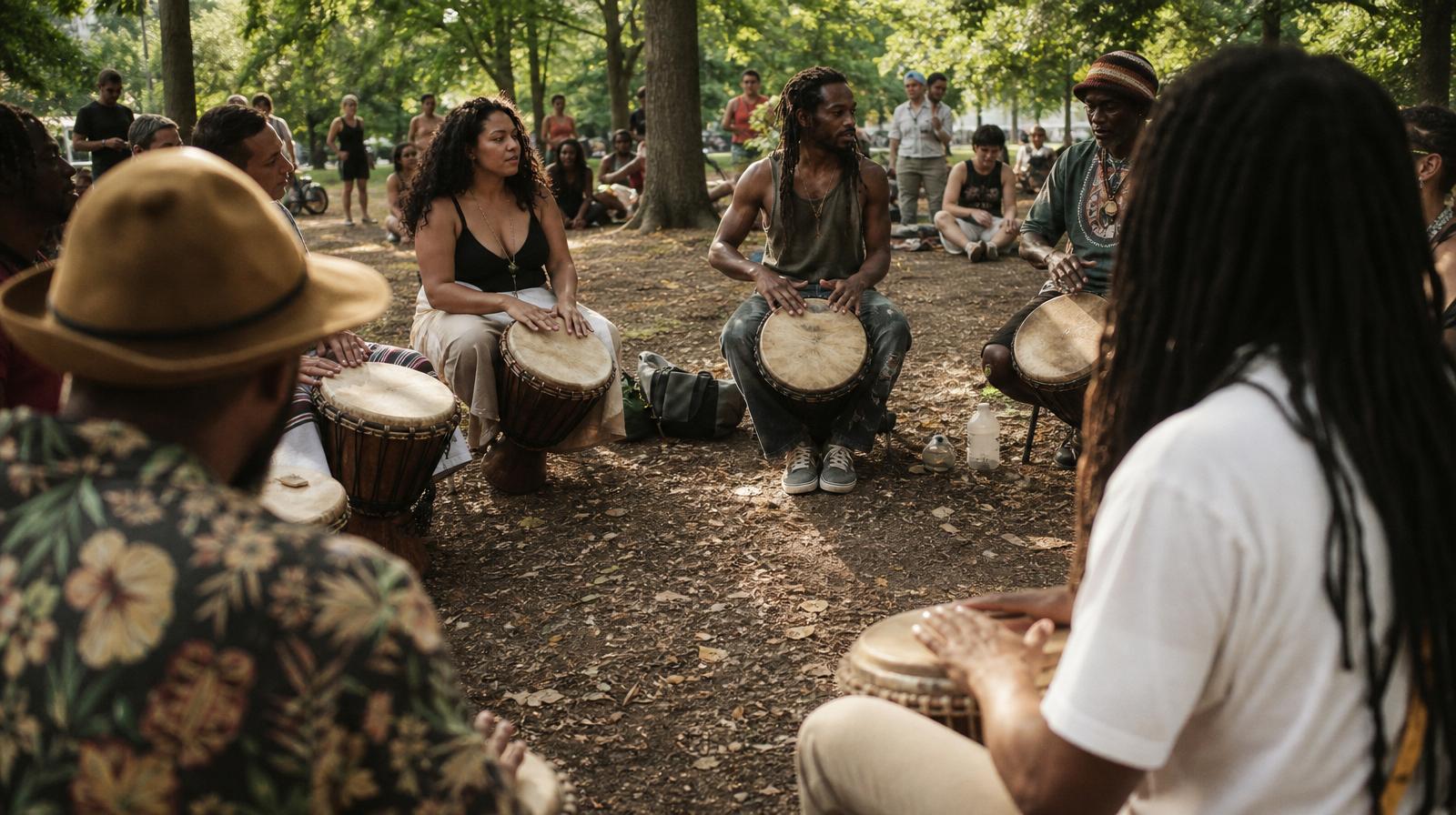
There is a profound difference between being a master percussionist and being a master facilitator. While a drummer focuses on the technical precision of the djembe or the intricate patterns of the doumbek, a rhythm facilitator focuses on the people. Rhythm facilitator training is the bridge that turns a lover of drums into a leader of communities.
Whether you are an educator, a therapist, or a community organizer, learning the art of facilitation allows you to guide a group of individuals—many of whom may have never touched a drum—into a cohesive, rhythmic ensemble. It is about creating a safe space where the pulse of the drum becomes a universal language.
What is Rhythm Facilitator Training?
Rhythm facilitator training is a specialized educational path that teaches you how to manage group dynamics through percussion. It isn't just about learning rhythms; it’s about learning how to listen to a room. Trainees learn how to use body language, verbal cues, and specific musical signals to start, stop, and shape a drum circle.
In a professional training program, you will dive into the psychology of group play. You’ll learn how to handle the "rhythm renegade" who plays out of time, how to encourage the shy participant with a frame drum, and how to transition a chaotic wall of sound into a beautiful, polyrhythmic groove. This training is essential for anyone looking to lead events that are inclusive and transformative.
The Core Skills of a Successful Facilitator
To be effective, a facilitator must master several key areas that go beyond basic time-keeping. These are the pillars often covered in comprehensive training modules:
- The Language of Gesture: Using your hands and body to communicate volume (crescendo and decrescendo), tempo, and "sculpting" (bringing out specific sections like the congas or the dununs).
- Active Listening: Developing the ear to hear the "group song" rather than just individual parts.
- Cultural Sensitivity: Understanding the origins of the rhythms you share and respecting the traditions of the instruments, from West African djembe rhythms to Middle Eastern darbuka patterns.
- Instrument Management: Knowing how to choose the right gear for your audience, ensuring you have a mix of low-end (bass) and high-end (tone/slap) instruments.
Types of Training Programs Available
Not all rhythm facilitator training is the same. Depending on your goals, you might choose a different path:
Community-Based Training
These programs focus on the joy of the gathering. They are perfect for those who want to lead drum circles in parks, community centers, or at full-moon gatherings. The focus is on accessibility and "in-the-moment" music making.
Clinical and Therapeutic Training
Designed for music therapists and healthcare professionals, this training focuses on how rhythm can aid in physical rehabilitation, cognitive function, and emotional release. You may learn specific protocols for working with seniors, veterans with PTSD, or children on the autism spectrum.
Educational Facilitation
Many drum schools offer training specifically for classroom teachers. This focuses on curriculum integration, using rhythm to teach math, history, and social-emotional skills to students.
Essential Instruments for the Facilitator
While you don't need to be a virtuoso on every instrument, a facilitator should be comfortable with the "Big Three" families of drums found in most circles:
- Goblet Drums: The djembe is the workhorse of the modern drum circle. Training will teach you how to demonstrate the three basic sounds: bass, tone, and slap.
- Cylindrical Drums: Dununs (dundunba, sangban, and kenkeni) provide the heartbeat and melodic foundation of West African rhythms. Knowing how to lead a group using these provides a solid ground for the circle.
- Frame Drums: These are excellent for beginners and therapeutic settings because they are lightweight and can be played with hands or mallets.
Building Your Professional Practice
Once you have completed your training, the next step is gaining experience. Many facilitators start by shadowing experienced drum teachers or volunteering to lead small segments of local community circles.
Building a business as a facilitator requires more than just musical skill. You will need to understand logistics—how to transport 50 drums to a corporate retreat—and marketing. Professional training often includes a business component, teaching you how to pitch rhythm-based team building to corporations or wellness programs to hospitals.
Deepening the Practice: Retreats and Intensives
For those who want to truly immerse themselves, drumming retreats often offer intensive facilitator tracks. These multi-day experiences allow you to practice your skills in a supportive environment with real-time feedback from master facilitators. There is no substitute for the "hot seat"—standing in the center of a circle and realizing that the energy of the room is in your hands.
Finding Your Path in Rhythm
Whether you choose a weekend workshop or a year-long certification, rhythm facilitator training is a journey of self-discovery. You will learn as much about your own leadership style and anxieties as you will about the drums. By the end, you won't just be a drummer; you will be a conduit for community, helping others find their voice through the power of the beat.
Find a drum circle near you to see facilitation in action.
Frequently asked
- Do I need to be a professional drummer to take rhythm facilitator training?
- No, you do not need to be a virtuoso. While a basic sense of rhythm is necessary, facilitation training focuses more on leadership, communication, and group dynamics than on complex soloing techniques.
- How long does it take to become a certified rhythm facilitator?
- Certification varies by program. Some intensive workshops offer foundational certificates in 3-5 days, while comprehensive professional certifications may take several months of study and supervised practice.
- What is the difference between a drum teacher and a rhythm facilitator?
- A drum teacher typically focuses on teaching students the technical skills and traditional rhythms of a specific instrument. A rhythm facilitator focuses on enabling a group of people to create music together successfully, regardless of their skill level.
Find a drum circle near you
Browse hundreds of circles, teachers and rhythm community gatherings.
Explore drum circles