
Rhythm Games for Kids: Fun Ways to Build Community and Beat
Discover how rhythm games can transform a child's development while fostering a lifelong love for hand drumming and musical connection.
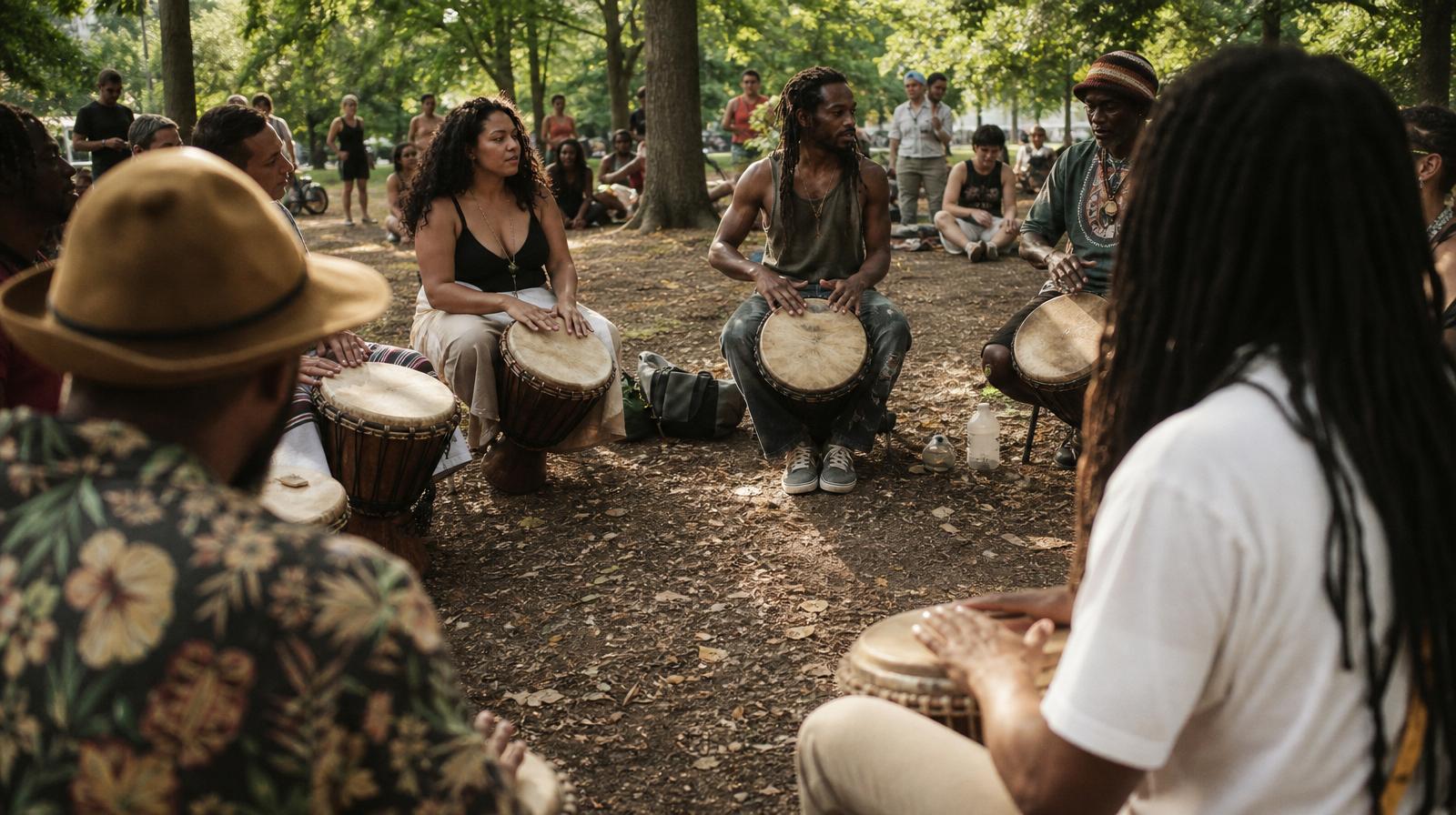
There is something inherently magical about a child picking up a mallet or placing their hands on the skin of a drum for the first time. Rhythm is our first language—the steady thump of a heartbeat is the soundtrack to our earliest development. When we introduce rhythm games for kids, we aren't just teaching them how to keep time; we are giving them tools for communication, emotional regulation, and social bonding.
At Drum Circle Directory, we believe that drumming is a lifelong journey. Starting that journey with play-based learning ensures that children view music not as a chore or a rigid academic subject, but as a joyful communal experience. Whether you are a parent, a classroom teacher, or a facilitator looking to liven up a family-friendly circle, these games will help young drummers find their groove.
Why Rhythm Games Matter for Child Development
Before diving into the specific games, it is worth noting why these activities are so impactful. Rhythm games require a high level of "active listening." Unlike simply hearing music, a child must process a beat and physically respond to it in real-time. This strengthens the bridge between the left and right hemispheres of the brain.
Participating in a group rhythm activity also teaches vital social skills. In a world of digital screens, a drum circle requires eye contact, turn-taking, and the ability to listen to others while maintaining your own part. It is the ultimate exercise in collaborative community building.
1. The Echo Game: Master the Call-and-Response
One of the most foundational rhythm games for kids is the "Echo Game." This is a classic call-and-response technique used in traditional West African drumming and modern drum circles alike.
- How to Play: The leader plays a short, simple rhythm on a djembe or conga. The children then "echo" that exact rhythm back on their own instruments.
- The Progression: Start with very simple four-beat patterns. As the children get more comfortable, introduce different tones—like a low "bass" hit in the center of the drum and a high "slap" on the edge.
- Why it Works: It builds focus and helps children distinguish between different sounds their instrument can make.
For those looking to deepen their own facilitation skills before leading these games, connecting with drum teachers can provide the technical foundation needed to lead with confidence.
2. Animal Rhythms: Visualizing the Beat
Abstract musical concepts can be difficult for younger children to grasp. "Animal Rhythms" turns note values into relatable movements and sounds.
- The Elephant (Quarter Notes): Heavy, slow, deliberate hits. "Boom, boom, boom, boom."
- The Cheetah (Eighth Notes): Fast, light, energetic tapping. "Run-ning, run-ning, run-ning."
- The Grasshopper (Syncopation): Small hops and pauses.
You can call out the name of an animal, and the kids must immediately switch their rhythm to match that animal’s gait. This game is excellent for teaching tempo control and dynamics.
3. Pass the Rhythm: A Lesson in Concentration
This game is best played sitting in a circle. It emphasizes the "circle" in drum circle, highlighting how every individual is a link in a larger chain.
- The leader starts a simple two-beat pulse.
- The leader "passes" the beat to the person on their left by making eye contact.
- That person plays the beat once and passes it to the next person.
- The goal is to keep the "pulse" moving around the circle at a consistent speed without it breaking or slowing down.
If you find your local group is struggling with timing, searching for drum schools in your area can help find structured programs that specialize in youth percussion pedagogy.
4. The Stop and Go Game (Rhythmic Statues)
Kids love the tension of waiting for a signal. This game is perfect for high-energy groups who need to practice impulse control.
- The Play: Everyone drums together in a freestyle jam.
- The Twist: The facilitator holds up a specific sign (like a red card) or plays a specific "break" (a signature rhythmic phrase that signals an ending).
- The Goal: On the signal, everyone must stop instantly. The silence is just as important as the noise.
This teaches children to respect the space between the notes and prepares them for the etiquette of more formal events and community gatherings.
5. Telephone Rhythm: The Secret Message
Similar to the classic game of Telephone, this version uses touch and sound.
- Have the children stand in a line, each facing the back of the person in front of them.
- The person at the back taps a simple rhythm on the shoulders of the person in front of them.
- That rhythm is passed down the line through touch.
- The person at the front of the line then plays what they felt on a frame drum or doumbek.
- Compare the final rhythm to the original—it’s usually a source of great laughter!
Choosing the Right Instruments for Kids
When facilitating rhythm games for kids, the instrument matters. You want tools that are durable, lightweight, and capable of producing a rewarding sound without requiring perfect technique.
- Djembe: Small, synthetic-head djembes are perfect for kids because they are light and don't lose their tune in humid weather.
- Frame Drums: These are easy to hold and can be played with hands or soft mallets.
- Shakers and Tambourines: Essential for children who may feel intimidated by a large drum.
- Boomwhackers: These pitched plastic tubes are fantastic for combining rhythm games with melodic learning.
Finding Your Rhythm Community
Introducing children to rhythm is one of the greatest gifts a mentor can provide. It builds confidence, fosters creativity, and creates a sense of belonging that is hard to find elsewhere. As children grow in their skills, they may want to move beyond games and into more immersive experiences.
Many families find that attending drumming retreats specifically designed for families is a transformative way to bond. These environments provide a safe space for children to see adults modeling the joy of music-making.
Whether you are playing in a living room or a public park, the goal of rhythm games for kids is simple: keep the beat, and keep it fun.
Find a drum circle near you.
Frequently asked
- What is the best age to start rhythm games for kids?
- Children can start engaging in basic rhythm play as early as toddlers (ages 2-3) using shakers and simple clapping games. More structured rhythm games involving instruments like the djembe are usually most effective for children aged 5 and up, as their motor skills and attention spans are more developed.
- Do I need expensive drums to play rhythm games at home?
- Not at all. While professional instruments like congas or doumbeks are wonderful, you can start with 'found percussion' like plastic buckets, wooden spoons, or even clapping. The focus of these games is on the internal sense of timing and social interaction rather than the quality of the gear.
- How do rhythm games help with a child's education?
- Rhythm games support literacy and math skills by helping children recognize patterns and sequences. They also improve 'executive function,' which includes the ability to focus, remember instructions, and multitask, all of which are essential for success in a traditional classroom environment.
Find a drum circle near you
Browse hundreds of circles, teachers and rhythm community gatherings.
Explore drum circles