Rhythm Team Building: Unlocking Connection Through the Drum
Discover how rhythm team building transforms corporate culture by replacing boardroom tension with the unified heartbeat of a community drum circle.
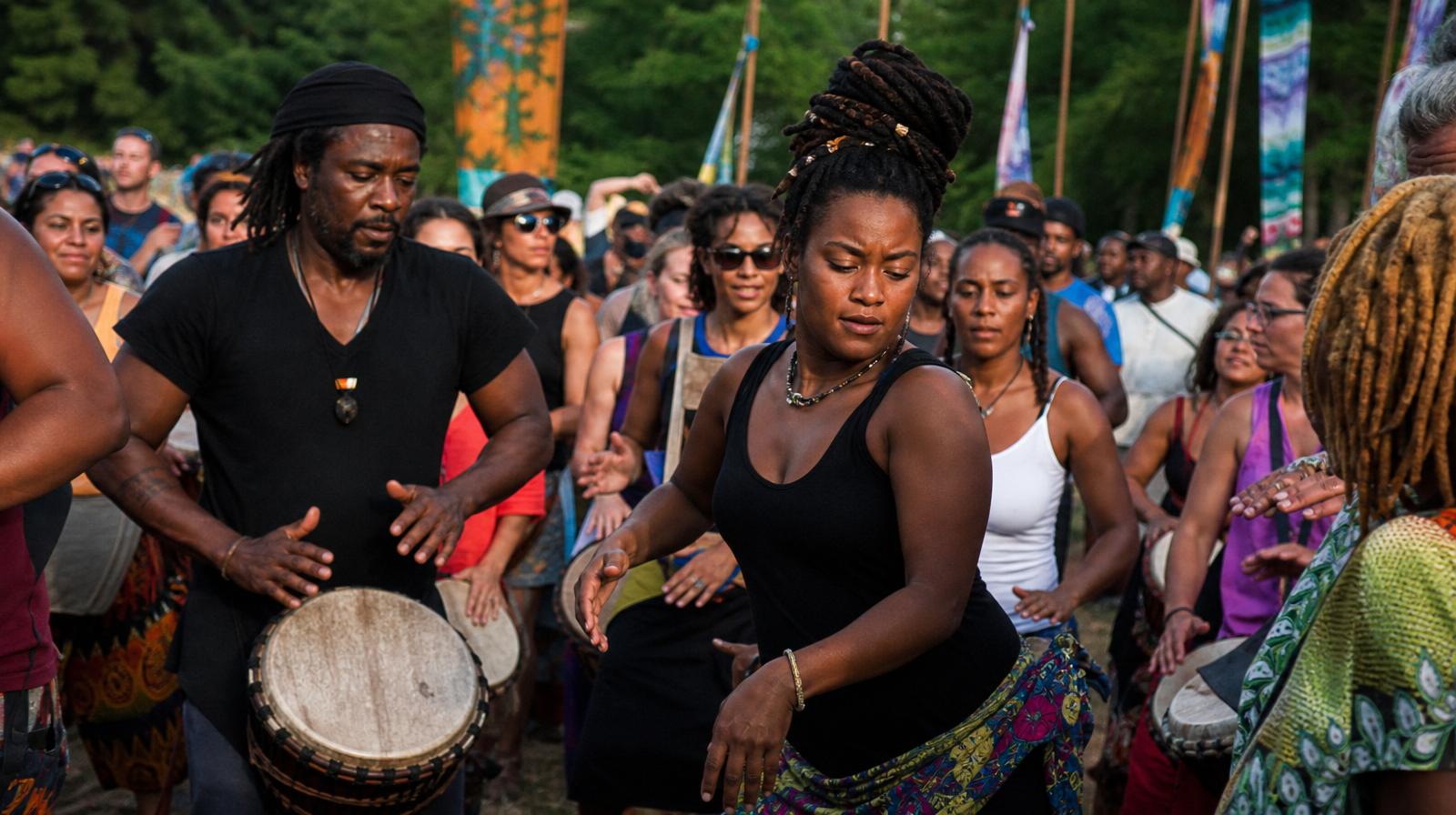
In the modern corporate landscape, silos are common, and digital fatigue is real. Teams often find themselves communicating through screens, losing the human touch that sparks true innovation. Enter rhythm team building—an ancient practice adapted for the contemporary workplace. By trading keyboards for djembes and spreadsheets for syncopation, organizations are discovering that the quickest way to align a group is through a shared heartbeat.
What is Rhythm Team Building?
Rhythm team building is a facilitated group activity where participants use percussion instruments to create a cohesive musical experience. It is not a music lesson; it is a communication workshop. Using instruments like the djembe, conga, and dunun, facilitators guide employees through exercises that mirror professional dynamics—listening, leading, supporting, and collaborating.
In a typical session, a professional facilitator helps a group of non-musicians move from chaotic noise to a sophisticated, rhythmic groove. This transition serves as a powerful metaphor for organizational growth and team alignment.
The Psychology of the Drum Circle
Why does drumming work so well for corporate groups? The answer lies in the science of entrainment. When humans drum together, their brainwaves and heart rates begin to synchronize. This biological alignment fosters a sense of psychological safety and belonging.
In a drum circle, there is no hierarchy. The CEO might be playing a small shaker while an intern holds down the steady pulse on a bass drum. This leveling of the playing field breaks down social barriers and encourages authentic interaction. When people feel seen and heard in a rhythmic context, those feelings carry back into the office environment.
Essential Instruments for Group Rhythm
A successful rhythm team building event utilizes a variety of instruments to create a full, rich sound. Each instrument plays a specific role, much like different departments in a company:
- Djembe: The versatile "voice" of the circle, capable of high slaps and deep bass tones.
- Dunun: The large, double-headed bass drums that provide the structural foundation.
- Congas and Tubanos: Reliable drums that offer warm mid-tones and steady support.
- Frame Drums: Lightweight and accessible, perfect for subtle textures.
- Auxiliary Percussion: Shakers, cowbells, and woodblocks that add the "seasoning" to the rhythm.
Benefits of Corporate Drumming Events
Integrating rhythm into your next offsite or conference offers several tangible benefits:
- Enhanced Communication: Participants must listen more than they play to ensure the group stays in time. This hones active listening skills.
- Stress Reduction: Drumming is a physical release. It lowers cortisol levels and boosts endorphins, providing a much-needed break from high-pressure projects.
- Boosted Morale: Completing a complex rhythmic challenge creates a shared sense of victory and collective pride.
- Creative Thinking: Breaking out of linear thought patterns through music often leads to "aha" moments for business problems.
If your organization wants to deepen these skills, you might consider hiring professional drum teachers to lead ongoing wellness sessions.
How a Facilitator Guides the Experience
A skilled facilitator is the bridge between noise and harmony. They use specific techniques to keep the energy high and the learning relevant:
Call-and-Response
The facilitator plays a pattern, and the group mimics it. This builds focus and demonstrates the importance of clear leadership and precise execution.
Sculpting the Sound
By using hand signals, the facilitator can bring the volume down to a whisper or up to a roar. This teaches the group about dynamics and how to modulate their "voice" within a larger system.
The Solo and the Support
Individual participants may be encouraged to step out and improvise while the rest of the group maintains a steady beat. This highlights the importance of supporting colleagues when they are in the spotlight.
Planning Your Rhythm Team Building Event
When organizing a rhythm-based event, consider the following logistics to ensure success:
- Space: You need a room large enough for participants to sit in a concentric circle. High ceilings are better for acoustics.
- Inclusivity: Ensure the facilitator provides a range of instrument sizes and weights to accommodate all physical abilities.
- Integration: Work with the facilitator to tie the rhythmic metaphors into your specific company goals or values.
For those looking to host a larger gathering or find inspiration from existing rhythmic communities, checking out local events can provide a great blueprint for success.
Beyond the Boardroom: Long-term Impact
The goal of rhythm team building isn't just to have a fun afternoon; it's to create a lasting shift in team culture. Many companies find that after a drum circle, staff members are more likely to collaborate across departments and approach conflicts with a more rhythmic, flexible mindset.
Some teams even choose to attend drumming retreats together to dive deeper into these practices away from the distractions of the office.
Conclusion: Find Your Beat
Rhythm is a universal language that transcends titles and backgrounds. By bringing rhythm team building into your organization, you are investing in the most fundamental element of your success: the human connection. Whether you are a small startup or a Fortune 500 company, the drum has the power to unite your team in a way that words alone cannot.
Ready to experience the power of the circle? Find a drum circle near you and see how rhythm can change your perspective.
Frequently asked
- Do employees need musical experience to participate?
- Not at all. Rhythm team building is designed for everyone, regardless of musical background. Facilitators focus on accessible patterns that allow even total beginners to contribute to the group sound immediately.
- How long does a typical rhythm team building session last?
- Most sessions range from 60 to 90 minutes. This provides enough time for an introduction, several rhythmic exercises, a period of free-form drumming, and a brief debrief to discuss the metaphors learned.
- Is drumming too loud for an office setting?
- While drumming is energetic, professional facilitators can manage volume levels using specific instruments and techniques. Many sessions are held in conference rooms, though outdoor spaces or ballrooms are also popular choices.
Find a drum circle near you
Browse hundreds of circles, teachers and rhythm community gatherings.
Explore drum circles