Rhythm Therapy: Healing Through the Power of the Drum
Discover how rhythm therapy uses the ancient power of the drum to reduce stress, improve cognitive function, and build emotional resilience.
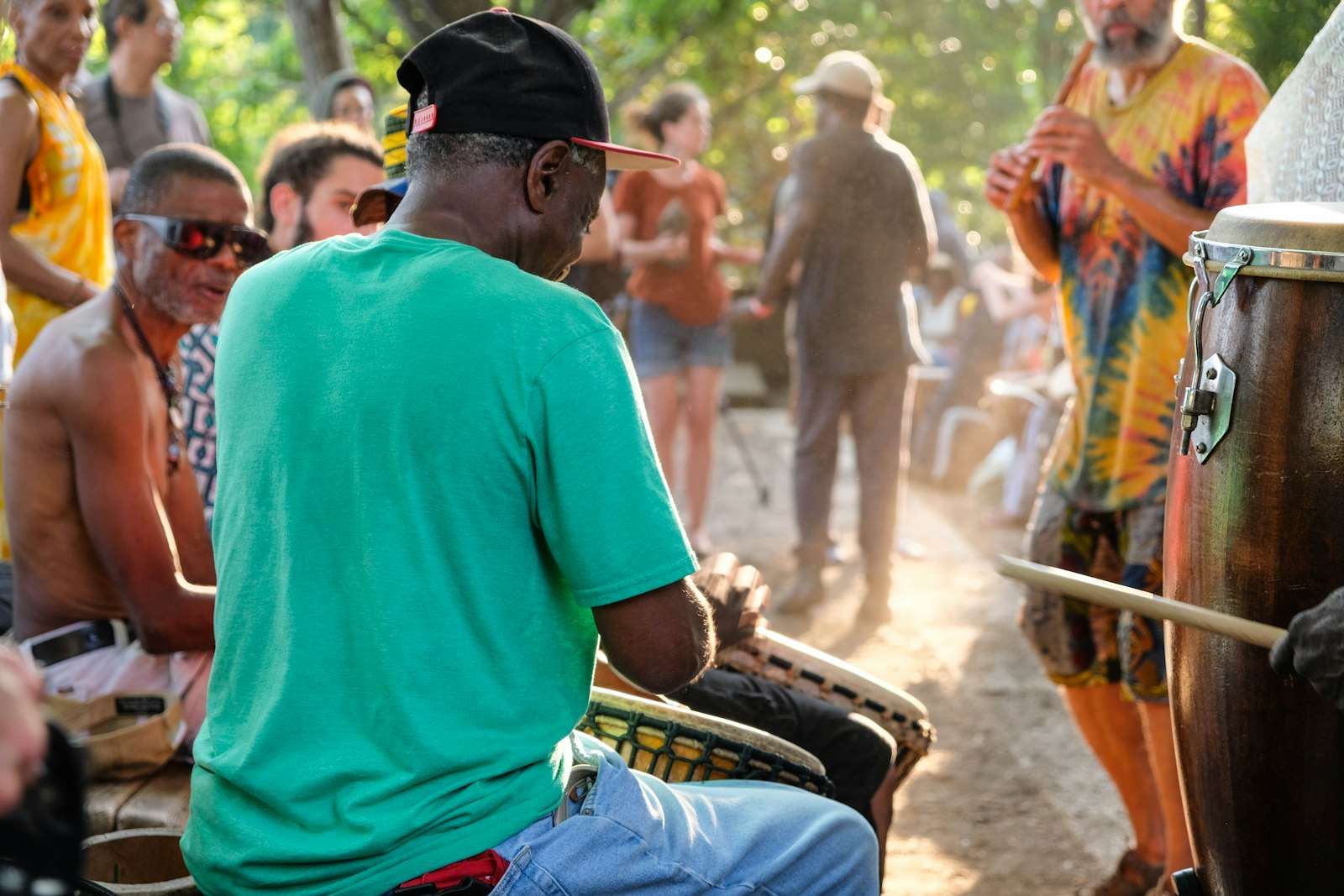
For thousands of years, the beat of the drum has been the heartbeat of community, ritual, and healing. Today, modern science is finally catching up to what indigenous cultures have known for millennia: rhythm is a potent medicine. Rhythm therapy—often referred to as therapeutic drumming—is an evidence-based approach that uses various drumming techniques to promote physical, emotional, and cognitive well-being.
Whether it is the deep resonance of a djembe, the sharp snap of a doumbek, or the steady pulse of a frame drum, rhythmic vibration has a unique way of bypassing the analytical mind and speaking directly to the nervous system. In this guide, we explore how rhythm therapy works and how you can integrate it into your own wellness journey.
What is Rhythm Therapy?
At its core, rhythm therapy is the intentional use of drumming and rhythmic patterns to achieve specific health goals. Unlike a traditional music lesson where the focus is on performance or technical mastery, rhythm therapy focuses on the process of creation and the physiological response of the body to the beat.
Practitioners often use instruments like the conga, djembe, or dunun to facilitate sessions. These instruments are chosen for their tactile nature and their ability to produce low-frequency vibrations that can be felt physically in the chest and limbs. This physical sensation is a key component of the healing process, helping to ground the individual in the present moment.
The Science of Rhythmic Entrainment
One of the primary mechanisms behind rhythm therapy is a phenomenon called "entrainment." This occurs when the body's internal rhythms—such as heart rate, respiratory rate, and brain waves—synchronize with an external rhythmic stimulus.
When you sit in a drum circle, your brain waves begin to mimic the steady beat of the drums. Research has shown that drumming can shift brain activity from the high-frequency Beta waves (associated with stress and concentration) to the lower-frequency Alpha and Theta waves (associated with relaxation and meditation). This shift allows the body to enter a state of deep rest, which is essential for the immune system to function at its peak.
Emotional Release and Stress Reduction
In our fast-paced modern world, many of us carry suppressed emotions and chronic stress. Rhythm therapy provides a safe, non-verbal outlet for these feelings. Pounding a drum allows for a physical release of tension that words often cannot express.
- Cortisol Reduction: Studies have indicated that group drumming can significantly lower cortisol levels, the body's primary stress hormone.
- Endorphin Boost: The physical exertion and communal joy of drumming trigger the release of endorphins, the body's natural "feel-good" chemicals.
- Emotional Processing: For those dealing with trauma or grief, the steady pulse of a frame drum can provide a "container" for difficult emotions, making them feel more manageable.
Cognitive Benefits and Brain Health
Rhythm therapy is increasingly being used to support individuals with neurological conditions such as Parkinson’s, Alzheimer’s, and ADHD. Because drumming requires the use of both hemispheres of the brain simultaneously, it helps to build new neural pathways.
Practicing complex call-and-response patterns or keeping a steady beat while others play polyrhythms challenges the brain's executive functions. This improves focus, memory, and motor coordination. Many people find that working with drum teachers who specialize in therapeutic techniques can help them regain a student regain a sense of control over their cognitive abilities.
Building Community Through the Circle
Isolation is one of the leading contributors to mental health struggles. Rhythm therapy is most powerful when practiced in a group setting. In a drum circle, there is no hierarchy; everyone’s heartbeat is part of the collective sound. This fosters a sense of belonging and social support that is vital for long-term recovery and wellness.
Participating in events focused on wellness drumming allows participants to experience the "collective effervescence" of a shared rhythm. It breaks down walls of social anxiety and encourages authentic connection through the universal language of the beat.
How to Get Started with Rhythm Therapy
You do not need to be a professional musician to benefit from rhythm therapy. In fact, many therapeutic circles are designed specifically for beginners. Here is how you can begin:
- Find a Local Circle: Look for circles specifically labeled as "healing circles" or "wellness drumming." These are often slower-paced and more focused on the internal experience than a high-energy performance circle.
- Choose Your Instrument: Start with a djembe or a simple frame drum. These are intuitive and provide immediate tactile feedback.
- Practice Mindful Drumming: Spend ten minutes a day simply playing a steady, heartbeat-style rhythm. Focus entirely on the sound and the vibration in your hands.
- Attend a Retreat: For a deeper dive, consider drumming retreats that combine rhythm with yoga, meditation, and nature.
The Future of Rhythmic Medicine
As the medical community continues to embrace holistic and integrative therapies, the role of the drum is expanding. From hospitals to veteran centers, rhythm therapy is proving to be a versatile tool for human flourishing. It reminds us that we are rhythmic beings living in a rhythmic universe, and that sometimes, the best way to find balance is to simply find the beat.
Find a drum circle near you.
Frequently asked
- Do I need musical experience to try rhythm therapy?
- Absolutely not. Rhythm therapy is about the health benefits of the vibration and the act of playing, not about musical perfection. Most facilitators welcome complete beginners and focus on simple, accessible patterns that anyone can follow.
- What kind of drum is best for therapeutic use?
- The djembe is very popular because it offers a wide range of tones and deep bass that you can feel in your body. Frame drums are also excellent for meditation and self-reflection due to their portability and soothing, resonant quality.
- How does drumming help with anxiety?
- Drumming helps with anxiety by grounding the individual in the present moment and regulating the nervous system. The repetitive nature of the rhythm helps quiet the 'monkey mind' and reduces the physiological symptoms of stress, such as a racing heart or shallow breathing.
Find a drum circle near you
Browse hundreds of circles, teachers and rhythm community gatherings.
Explore drum circles