Unlocking Your Groove: The Ultimate Guide to the Rhythm
Discover how a professional rhythm workshop can transform your musicality, foster deep community connections, and unlock the healing power of the drum.
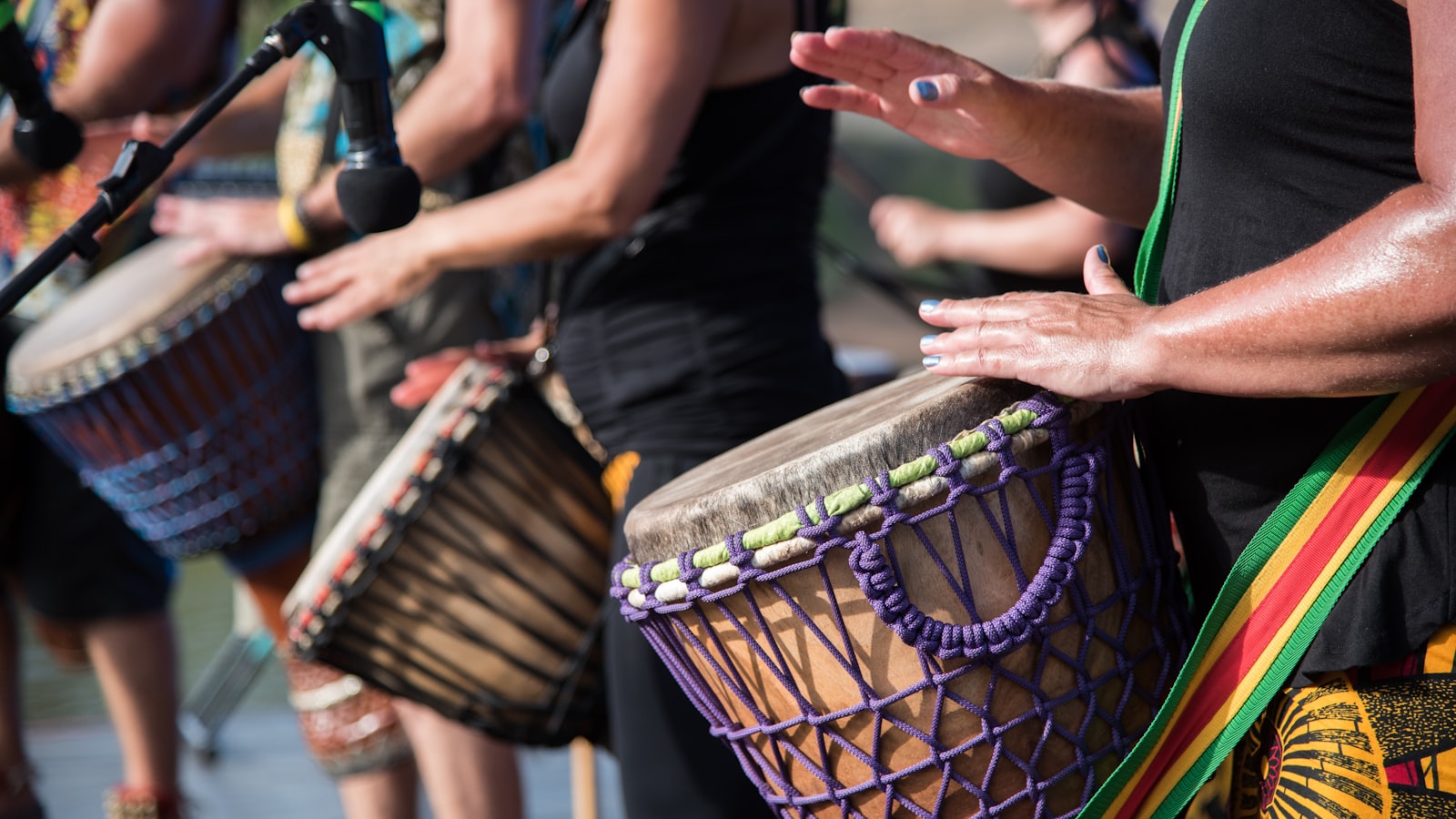
There is a primal magic that happens when a group of people strikes a drum in unison. Whether you are holding a djembe for the first time or you are a seasoned percussionist looking to sharpen your syncopated patterns, a rhythm workshop offers a unique space for growth, connection, and pure sonic joy.
Unlike a standard concert or a solo practice session, a rhythm workshop is an interactive, educational environment. It is designed to take the mystery out of complex meters and help participants embody the pulse of the music. In this guide, we will explore what makes these gatherings so special and how you can find the right one for your journey.
What Exactly is a Rhythm Workshop?
A rhythm workshop is a facilitated session where participants learn the mechanics of percussion, the history of specific traditions, and the art of listening. While a drum circle is often an open-ended jam session, a workshop is structured. It is led by an experienced facilitator or master drummer who guides the group through specific exercises.
You might spend an afternoon mastering the 'slap, tone, and bass' of the djembe, or perhaps you’ll dive into the intricate polyrhythms of West African dunun sets. The goal is to move beyond just 'hitting things' and toward a deeper understanding of how rhythm functions as a language.
The Core Instruments You’ll Encounter
While every workshop is different, most focus on a specific family of instruments. Understanding these can help you choose a session that aligns with your interests:
- The Djembe: The most popular drum for workshops due to its wide range of sounds and portability.
- The Doumbek: A goblet-shaped drum central to Middle Eastern music, known for its crisp 'teks' and deep 'doums.'
- Frame Drums: One of the world's oldest instruments, often used in workshops focusing on mindfulness and ancient traditions.
- Congas and Bongos: Common in Afro-Cuban workshops where the focus is on clave patterns and hand-to-hand coordination.
- Found Objects: Some contemporary workshops use buckets, shakers, or body percussion to prove that rhythm is everywhere.
Benefits of Attending a Facilitated Session
Why choose a structured workshop over self-study? The benefits extend far beyond just learning a new beat.
Accelerated Learning
When you work with professional drum teachers, you receive immediate feedback on your technique. Small adjustments in your hand position can prevent fatigue and instantly improve the clarity of your notes.
Community and Connection
There is a documented psychological phenomenon called 'entrainment,' where the heart rates and brainwaves of a group begin to sync up during a rhythmic activity. Rhythm workshops foster a sense of belonging that is hard to find elsewhere. You aren't just a student; you are a vital part of a living, breathing ensemble.
Stress Relief and Wellness
Drumming has been shown to reduce cortisol levels and boost the immune system. A rhythm workshop provides a safe outlet for emotional release. By focusing entirely on the pulse, you enter a 'flow state' where the stressors of daily life fade into the background.
What to Expect: From Beginner to Advanced
If you are nervous about your first rhythm workshop, don't be. Most facilitators are experts at creating 'low floor, high ceiling' environments—meaning it’s easy to start, but there is plenty of room for growth.
- The Warm-up: Most sessions begin with gentle pulse-keeping and simple call-and-response patterns to get everyone’s hands moving.
- Technique Breakdown: The instructor will demonstrate how to strike the drum correctly to get the best tone without hurting your hands.
- Pattern Building: You will learn a basic rhythm, often broken down into 'syllables' that make it easy to memorize.
- Layering: This is where the magic happens. The group is split into sections, each playing a different interlocking part to create a rich, polyrhythmic tapestry.
- The Jam: Many workshops conclude with a period of free improvisation where you can apply what you’ve learned in a relaxed community setting.
Finding the Right Workshop for You
Not all workshops are created equal. Some are academic and focused on traditional notation, while others are spiritual or health-focused. When searching for upcoming events, consider the following:
- The Facilitator's Style: Do they focus on tradition, or is it a contemporary 'free-style' approach?
- The Skill Level: Ensure the workshop is tagged for beginners if you are just starting out.
- The Venue: Some of the best experiences happen at immersive drumming retreats, where you can live and breathe rhythm for several days in a beautiful natural setting.
Etiquette for Participants
To get the most out of your experience, keep these simple rules in mind:
- Listen More Than You Play: The key to a great rhythm workshop is the space between the notes.
- Respect the Instruments: If you are borrowing a drum, remove rings and watches that might scratch the wood or skin.
- Follow the Leader: During the teaching portion, avoid 'noodling' (playing random beats) while the instructor is talking.
- Support Your Neighbors: If someone next to you loses the beat, stay steady with your part to help them find their way back.
Conclusion: Your Journey Starts with a Single Beat
A rhythm workshop is more than just a music lesson; it is an invitation to rediscover a part of yourself that is hardwired for pulse and pattern. Whether you want to join a local school or travel across the world for a retreat, the act of drumming with others will change the way you hear the world.
Find a drum circle or rhythm workshop near you and start your journey today.
Frequently asked
- Do I need to own a drum to attend a rhythm workshop?
- In many cases, no. Most facilitators provide 'loaner' drums like djembes or shakers for a small fee or as part of the registration. However, it is always best to check the event description or contact the organizer beforehand to ensure an instrument will be available for you.
- I have no musical experience. Can I still join?
- Absolutely! Many rhythm workshops are specifically designed for 'non-musicians.' Facilitators use accessible methods like vocalizing rhythms or body percussion to help beginners feel the beat immediately without needing to read sheet music.
- What is the difference between a drum circle and a rhythm workshop?
- A drum circle is generally a community-led jam session where improvisation is the focus. A rhythm workshop is a structured educational event led by a teacher who provides specific instructions, techniques, and choreographed rhythmic patterns.
Find a drum circle near you
Browse hundreds of circles, teachers and rhythm community gatherings.
Explore drum circles