
Roda de Tambores: The Heartbeat of Community Drum Circles
Discover the vibrant world of the Roda de Tambores, where ancient rhythms meet modern community to create a powerful healing experience.
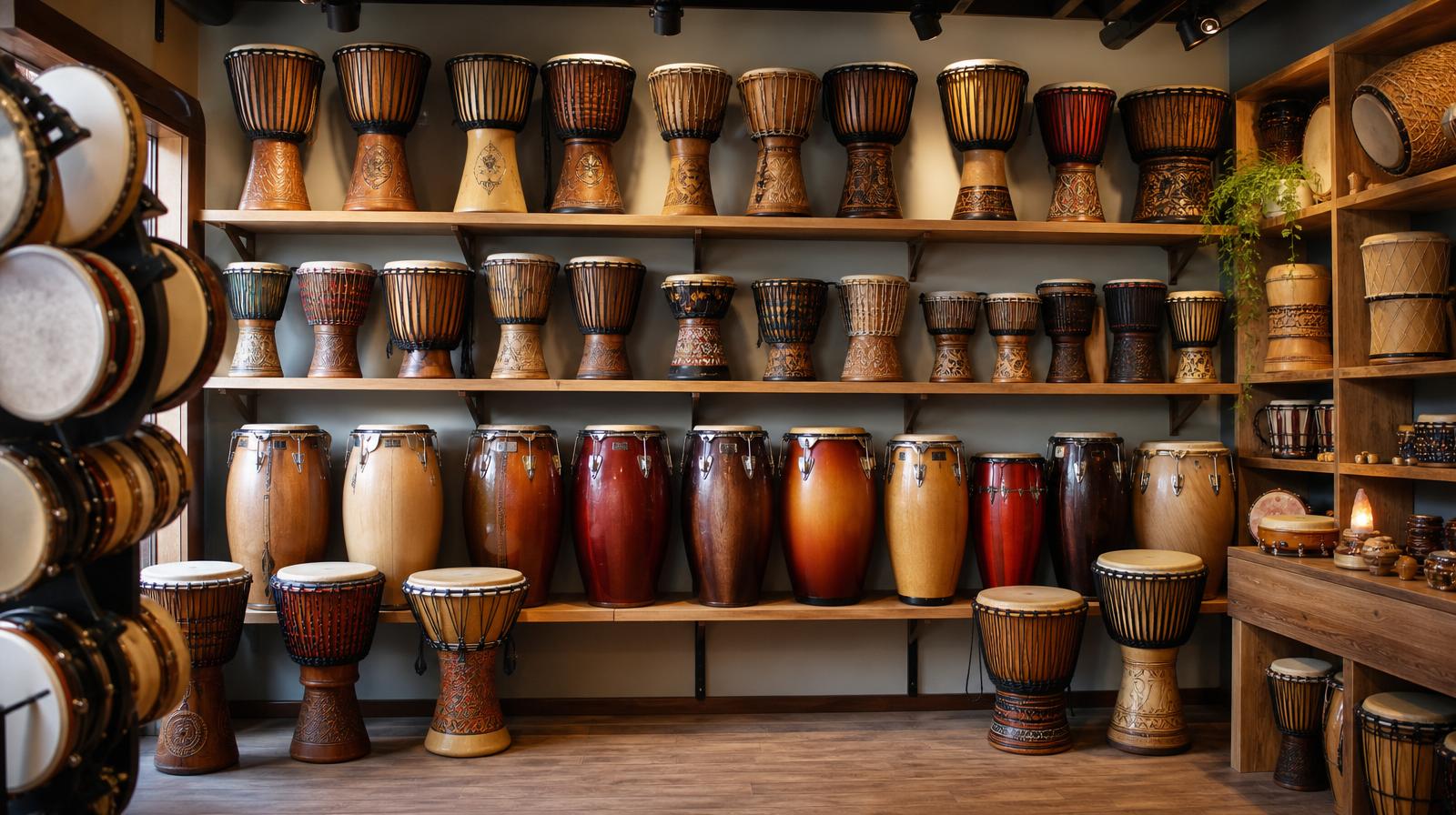
In the world of percussion, few things are as transformative as the Roda de Tambores. This Portuguese term, literally translating to "Drum Circle," represents far more than just a group of people hitting instruments. It is a living, breathing organism of sound, a sacred space where the individual pulse merges with the collective heartbeat.
Whether you are standing on a beach in Brazil, a park in Lisbon, or a community center in New York, the essence of the Roda de Tambores remains the same: it is an inclusive celebration of rhythm that transcends language and borders.
The Cultural Roots of the Roda de Tambores
While the specific phrase is often associated with the vibrant percussion cultures of Brazil and Portugal, the concept of the Roda de Tambores is universal. It draws from deep West African traditions where the drum was the primary tool for communication, celebration, and spiritual connection.
In a traditional roda, the circle formation is intentional. There is no stage and no audience; everyone is a participant. This democratic arrangement ensures that every voice—whether it is the deep thrum of a surdo or the sharp crack of a pandeiro—is heard equally. It mirrors the ancient village gatherings where rhythm was used to mark the cycles of the moon, the harvest, and the milestones of life.
Essential Instruments in the Circle
When you step into a Roda de Tambores, you will see a diverse array of instruments. While any drum is welcome, certain staples provide the foundation for the groove:
- The Djembe: The versatile "king" of the drum circle, capable of deep bass notes and high-pitched slaps.
- The Congas: Providing the melodic, mid-range patterns that keep the energy flowing.
- The Pandeiro: A Brazilian frame drum that acts as a portable drum kit, adding intricate shuffles and textures.
- The Surdo: The large bass drum that serves as the heartbeat, grounding the entire group.
- The Dunun: These African bass drums provide the melodic counterpoint to the djembe's lead.
- Auxiliary Percussion: Shakers, agogô bells, and claves add the "seasoning" to the rhythmic soup.
If you are looking to master these specific instruments, connecting with drum teachers can help you find your unique voice within the collective.
The Social Magic of the Drum Circle
One of the most beautiful aspects of the Roda de Tambores is its accessibility. You do not need a degree in music to participate. In fact, many people find their way to their first circle with no prior experience at all.
The circle operates on a system of "call-and-response." A facilitator or an experienced drummer might start a pattern, and the group responds, building layers of rhythm that evolve organically. This process fosters a deep sense of belonging. In a world that is increasingly digital and isolated, the physical act of drumming with others provides a much-needed sense of community.
Understanding Roda Etiquette
To ensure the Roda de Tambores remains a positive experience for everyone, there are a few unwritten rules of etiquette to follow:
- Listen More Than You Play: The secret to a great circle is the space between the notes. Listen to the person next to you and find a way to complement their rhythm rather than competing with it.
- Support the Pulse: Beginners should focus on the steady beat. Once the foundation is solid, then you can experiment with flourishes.
- Respect the Facilitator: If someone is leading the circle, watch for their signals to start, stop, or change the tempo.
- Share the Space: If you are playing a loud instrument like a djembe, be mindful not to drown out the softer instruments like shakers or frame drums.
Health and Wellness Benefits
Beyond the music, the Roda de Tambores is a powerful tool for wellness. Scientific studies have shown that group drumming can reduce stress, lower blood pressure, and even boost the immune system. The repetitive nature of the rhythm induces a meditative state, often referred to as "entrainment," where the brain waves of participants begin to synchronize.
Many people attend drumming retreats specifically to experience this therapeutic aspect of the Roda. It is a form of active meditation that clears the mind and energizes the body.
Finding Your Rhythm Locally
If the idea of joining a Roda de Tambores resonates with you, the next step is finding a local gathering. These events happen in a variety of settings, from full-moon beach gatherings to structured workshops at drum schools.
When searching for a group, look for "family-friendly" or "all-levels" circles if you are a beginner. These environments are typically very welcoming and often provide extra instruments for those who don't yet own their own.
Creating Your Own Roda
Can't find a circle in your area? Start one! All you need is a few friends, a public space like a park, and a couple of drums. The Roda de Tambores is about the spirit of connection, not the perfection of the performance. Start simple, keep the beat steady, and watch as the community grows around the sound of the drum.
For those looking to attend larger, organized gatherings, checking a list of upcoming events can help you find festivals and workshops where the Roda is the central focus.
Find a drum circle near you.
Frequently asked
- Do I need to own a drum to join a Roda de Tambores?
- Not necessarily! Many community drum circles are 'come as you are' and often have extra instruments like shakers, bells, or even spare djembes for newcomers to use. However, it is always a good idea to check the event description beforehand.
- What is the difference between a drum circle and a Roda de Tambores?
- While the terms are often used interchangeably, 'Roda de Tambores' specifically highlights the circular (roda) formation and is frequently associated with Afro-Brazilian or Lusophone rhythmic traditions. The spirit of community and collective improvisation remains the same in both.
- Can children participate in a Roda de Tambores?
- Yes, most drum circles are highly inclusive and family-friendly. Drumming is a wonderful way for children to develop motor skills and social cooperation. Just ensure the specific event isn't labeled as an 'advanced' or 'professional' rehearsal.
Find a drum circle near you
Browse hundreds of circles, teachers and rhythm community gatherings.
Explore drum circles