Senior Drum Circle Guide: Rhythm for Health and Connection
Discover how senior drum circles foster cognitive health, physical vitality, and deep social bonds for older adults through the power of rhythm.
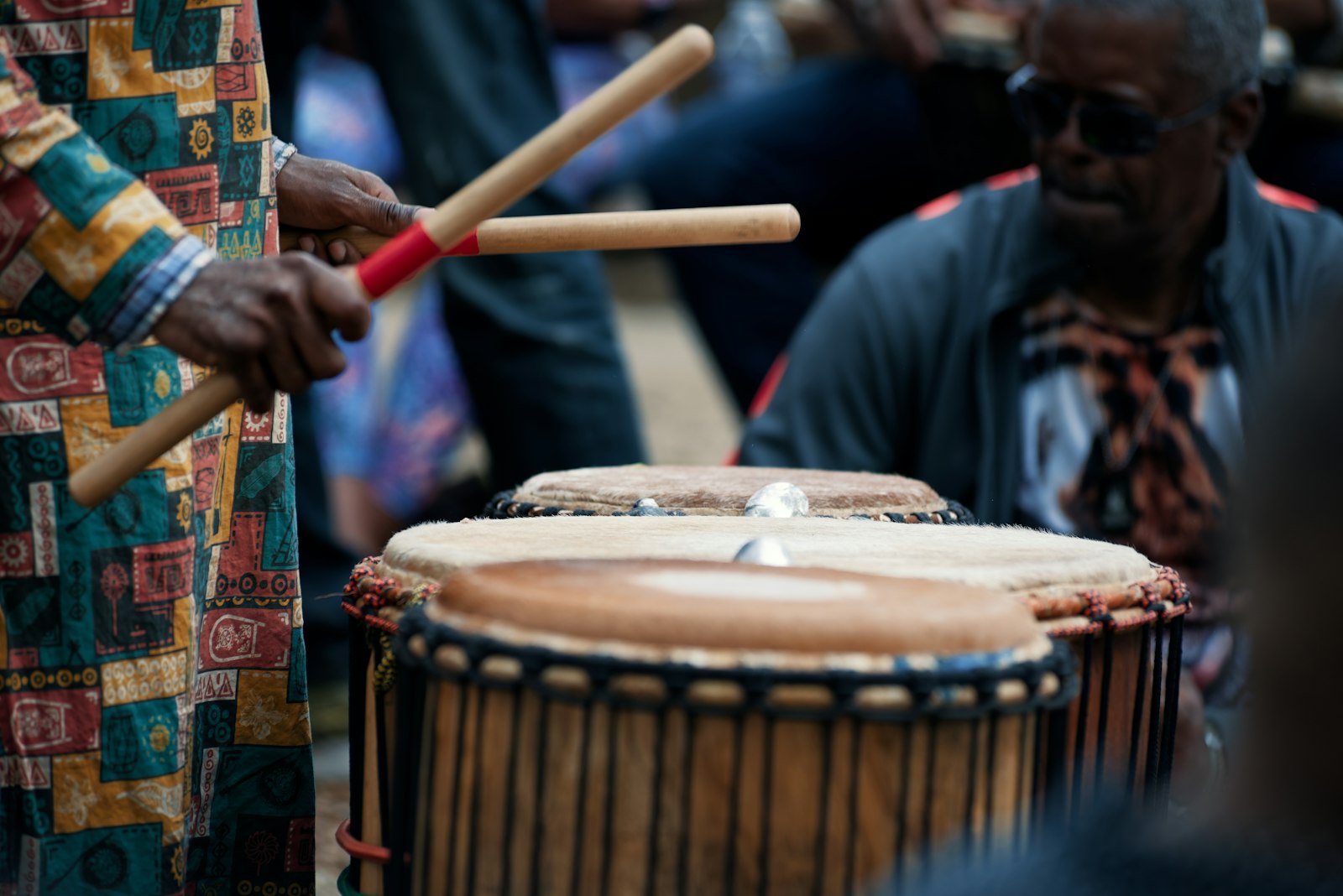
As we age, the search for meaningful social connection and activities that support cognitive health becomes a priority. Enter the senior drum circle. Far from being just a musical performance, these gatherings are vibrant, inclusive spaces where the simple act of striking a drum head creates a ripple effect of wellness, joy, and community.
Whether you are a retiree looking for a new hobby or a caregiver seeking a therapeutic outlet for a loved one, drumming offers a unique blend of physical exercise and mental stimulation that is accessible to almost everyone, regardless of prior musical experience.
The Holistic Benefits of Drumming for Seniors
The power of the drum goes beyond the ears. Clinical research has shown that group drumming can significantly impact the well-being of older adults.
- Cognitive Sharpness: Drumming requires focus and coordination. Learning a specific pattern or participating in a call-and-response exercise engages both hemispheres of the brain, aiding in memory retention and mental clarity.
- Physical Vitality: While it may look like just sitting and playing, drumming is a low-impact aerobic activity. It improves blood circulation, enhances fine motor skills in the hands and wrists, and can even boost the immune system by increasing natural killer cell activity.
- Emotional Release: The rhythmic vibration of a djembe or frame drum has a grounding effect. It provides a non-verbal outlet for processing emotions, reducing stress, and combatting feelings of isolation or depression.
Choosing the Right Instruments for Older Hands
In a senior drum circle, ergonomics and ease of use are paramount. You don't need a massive kit to make a beautiful sound. Many participants prefer lighter, more manageable instruments that don't require heavy lifting.
- The Djembe: A classic choice, but for seniors, a synthetic-head djembe is often preferred over traditional skin because it is lighter and stays in tune regardless of the weather.
- Frame Drums: These are thin, lightweight, and can be held in the lap or played with a soft mallet. They are perfect for those with arthritis who may find hand-striking uncomfortable.
- Buffalo Drums: Known for their deep, resonant bass tones, these are easy to play with a mallet, providing a soothing vibration that can be felt throughout the body.
- Small Percussion: Shakers, maracas, and claves allow participants to contribute to the rhythm with minimal physical exertion.
If you are unsure which instrument suits your physical needs, connecting with experienced drum teachers can help you find the perfect match for your grip and posture.
What to Expect at Your First Senior Drum Circle
Walking into your first circle might feel intimidating, but these environments are built on radical inclusivity. Most senior-focused circles are facilitated, meaning a leader guides the group through the experience.
Typically, the session begins with a gentle warm-up to loosen the joints. The facilitator might lead a simple heartbeat rhythm, allowing everyone to find the pulse. From there, the group might move into collaborative improvisation or structured games. There are no "wrong" notes in a drum circle—only the shared experience of the moment.
Many of these gatherings take place at community centers, assisted living facilities, or local parks. If you are looking for a group that matches your skill level, you can browse our events page to find upcoming sessions in your area.
Drumming and Memory Care
One of the most profound applications of the senior drum circle is within memory care and for those living with Alzheimer’s or dementia. Rhythm is deeply primal; even when verbal communication becomes difficult, the ability to process and respond to a beat often remains intact.
Therapeutic drumming sessions can help "awaken" participants, sparking sudden moments of lucidity or a desire to communicate. The repetitive nature of the rhythm provides a sense of security and predictability, which can be immensely comforting for those experiencing cognitive decline.
Creating a Social Support Network
Isolation is one of the greatest challenges facing the senior population. A drum circle serves as a "social glue." It is a place where stories are shared between rhythms and friendships are forged over a shared groove. Unlike many other classes, drumming is inherently collaborative. You are not just playing at people; you are playing with them.
For those who want to take their practice deeper, attending drumming retreats can be a life-changing way to immerse yourself in the culture of rhythm while meeting like-minded peers from around the world.
Tips for Facilitating a Senior-Friendly Circle
If you are a facilitator looking to start a program for older adults, keep these tips in mind:
- Watch the Volume: Seniors may be more sensitive to loud noises. Use soft mallets or encourage lighter striking techniques to keep the decibel levels comfortable.
- Provide Back Support: Ensure that chairs are sturdy and have proper back support. Avoid stools for long sessions.
- Keep Instructions Clear: Use visual cues along with verbal instructions. Call-and-response is the most effective way to teach patterns without overwhelming the group.
- Encourage Movement: If participants are able, encourage gentle swaying or foot-tapping to integrate the rhythm into the whole body.
Finding Your Rhythm Today
It is never too late to pick up a drum. Whether you are 65 or 95, the drum offers a path to better health, a sharper mind, and a more vibrant social life. The community is waiting for your unique beat.
Ready to get started? Find a drum circle near you and join the rhythm today.
Frequently asked
- Do I need prior musical experience to join a senior drum circle?
- Not at all. Most senior drum circles are designed for beginners and focus on community and wellness rather than technical perfection. A facilitator will guide you through everything you need to know.
- What if I have arthritis in my hands?
- Many seniors with arthritis find drumming therapeutic. You can use soft mallets instead of your hands, or choose lightweight instruments like frame drums that require very little pressure to produce a beautiful sound.
- How long do these drumming sessions usually last?
- Standard senior sessions typically last between 45 to 60 minutes. This allows enough time for a warm-up, several rhythmic exercises, and a cool-down period without causing physical fatigue.
Find a drum circle near you
Browse hundreds of circles, teachers and rhythm community gatherings.
Explore drum circles