Shamanic Drum Circle: A Guide to Rhythm and Spiritual
Discover the transformative power of the shamanic drum circle, where the steady beat of the frame drum leads to deep meditation and community healing.
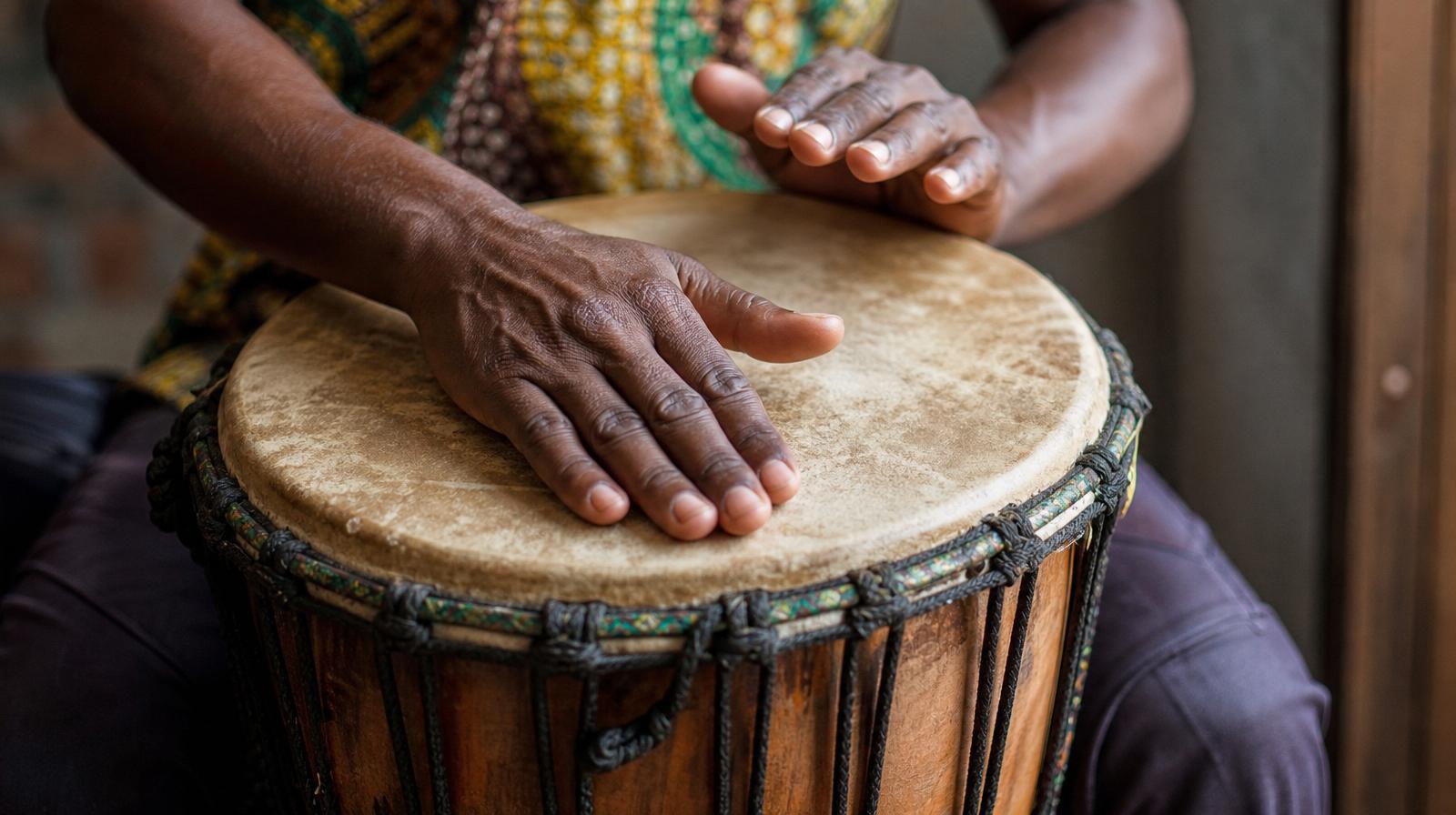
There is a profound, ancient power in the steady, repetitive beat of a drum. While many drum circles are focused on polyrhythmic complexity or high-energy dance, the shamanic drum circle serves a different purpose: it is a vehicle for inward exploration, communal healing, and spiritual connection.
At its core, shamanic drumming is about the 'horse'—the drum—carrying the rider into a state of expanded consciousness. Whether you are a seasoned practitioner or a curious beginner, understanding the nuances of these gatherings can help you unlock a deeper relationship with rhythm.
What is a Shamanic Drum Circle?
A shamanic drum circle is a structured gathering where participants use a steady, consistent beat (usually 160 to 220 beats per minute) to induce a meditative or trance-like state. Unlike a generic community drum circle where people might play djembes or congas in a free-form jam, the shamanic circle is typically more focused and ceremonial.
Participants often sit in a circle, symbolizing equality and the cyclical nature of life. The primary instrument is the frame drum, or 'hoop drum,' played with a mallet. The intention is rarely to show off technical skill, but rather to harmonize with the heartbeat of the Earth and the collective energy of the group.
The Essential Instruments
While you might see a variety of percussion in other settings, shamanic circles favor specific tools that produce low-frequency vibrations capable of resonating within the body.
- The Frame Drum: This is the heart of the practice. Usually made from animal hide (like elk, deer, or buffalo) or synthetic materials, these drums are held in one hand and struck with a soft mallet. Their deep, resonant tones are ideal for 'journeying.'
- Rattles and Shakers: These are used to clear energy, mark the beginning of a ceremony, or add a higher-frequency 'shimmer' to the low thrum of the drums.
- Dunun: In some larger circles, a deep-toned dunun might provide a grounding bass note to anchor the lighter frame drums.
- The Voice: Chanting or toning is often integrated, allowing participants to release tension and align their breath with the beat.
If you are looking to master these specific instruments, connecting with drum teachers who specialize in meditative styles can be a great first step.
The Science of the Beat
Why does shamanic drumming feel so different? It comes down to 'auditory driving.' Research has shown that rhythmic drumming at specific frequencies can alter brainwave activity, moving the brain from the active Beta state into the relaxed Alpha or deep Theta states.
Theta waves are associated with dreaming, deep meditation, and the 'flow state.' In a shamanic drum circle, the collective pulse makes it easier for individuals to reach these states than if they were drumming alone. This shared resonance creates a sense of 'entrainment,' where the heart rates and brainwaves of the group begin to synchronize.
Understanding the Structure: Journeying and Ceremony
A typical shamanic gathering follows a specific flow to ensure everyone feels safe and grounded:
- Opening the Space: This might involve smudging with sage or palo santo, a short prayer, or simply setting a collective intention.
- The Call-to-Action: The facilitator may lead a few rounds of 'call-and-response' to get everyone in sync.
- The Journey: This is the main event. The drumming becomes steady and monotonous. Participants may close their eyes and visualize a journey to seek guidance or inner peace.
- The Callback: The tempo changes—usually four sharp raps or a rapid 'roll'—to signal that it is time to return to full waking consciousness.
- Sharing and Closing: A brief period of silence or sharing of experiences before the circle is formally closed.
Etiquette for the Shamanic Circle
Because these circles are often considered sacred spaces, etiquette is vital.
- Honor the Silence: Unlike a celebratory djembe jam, the silence between drumming segments is just as important as the sound.
- Ask Before Touching: Never pick up someone else's frame drum without permission. These instruments are often deeply personal to the owner.
- Follow the Lead: If the facilitator slows down or stops, follow suit. This isn't the place for a solo.
- Be Mindful of Volume: The goal is a sustained, hypnotic wall of sound, not an overwhelming volume that prevents others from focusing inward.
For those looking for more immersive experiences, many practitioners find that attending drumming retreats allows for a deeper dive into these protocols and the spiritual history of the craft.
Benefits for Health and Wellness
The shamanic drum circle is a powerful tool for holistic health. Participants frequently report:
- Reduced Stress: The rhythmic vibration helps lower cortisol levels and triggers the body's relaxation response.
- Emotional Release: Drumming can provide a non-verbal way to process grief, anger, or anxiety.
- Community Connection: In an age of digital isolation, the physical presence of a circle fosters a sense of belonging and tribal connection.
If you are ready to find your rhythm, check out our list of upcoming events to see if there is a ceremony near you.
Finding Your Circle
You don't need to be a 'shaman' to join a shamanic drum circle. Most groups are incredibly welcoming to beginners and provide extra rattles or drums for those who don't yet own one. The most important thing is to bring an open heart and a willingness to listen to the rhythm of the group.
Find a drum circle near you and start your journey today.
Frequently asked
- Do I need my own drum to join a shamanic drum circle?
- Not necessarily. Many facilitators have 'loaner' drums or rattles for beginners. However, it is always best to check the event description or contact the organizer beforehand to ensure instruments are available.
- What is the difference between a shamanic circle and a regular drum circle?
- A regular drum circle is often improvisational, high-energy, and focused on musical play. A shamanic circle is more meditative, using a steady, repetitive 'heartbeat' rhythm to facilitate inner reflection or spiritual journeying.
- What should I wear to a shamanic drumming event?
- Wear comfortable, loose-fitting clothing that allows you to sit on the floor or a chair for an extended period. Since these events are often ceremonial, some choose to wear natural fibers or items with personal spiritual significance.
Find a drum circle near you
Browse hundreds of circles, teachers and rhythm community gatherings.
Explore drum circles