Shamanic Drumming Circle Guide: Find Your Rhythm and Healing
Discover the transformative power of the shamanic drumming circle, where ancient rhythms and steady beats facilitate deep meditation and community healing.
There is a profound, ancient power in the steady beat of a drum. While many modern drum circles are high-energy celebrations full of syncopated djembe rhythms and dancing, the shamanic drumming circle offers a different path. It is a space of intentionality, stillness, and deep inner exploration.
In a shamanic context, the drum is often referred to as the 'horse' that carries the practitioner into an altered state of consciousness. Whether you are a seasoned practitioner or a curious beginner, understanding the unique dynamics of these circles can transform your relationship with rhythm.
What Defines a Shamanic Drumming Circle?
Unlike a performance-based ensemble, a shamanic drumming circle focuses on the therapeutic and spiritual applications of sound. The primary goal is usually to achieve a 'theta' brainwave state—a frequency associated with deep meditation, dreaming, and creative insight.
Participants typically sit in a circle, often around a central altar or candle, and play a consistent, hypnotic beat. This isn't the place for complex solos or polyrhythms. Instead, the group moves as one, creating a 'sonic driver' that allows the mind to quiet its chatter and open up to intuitive experiences.
The Essential Instruments: The Frame Drum and Beyond
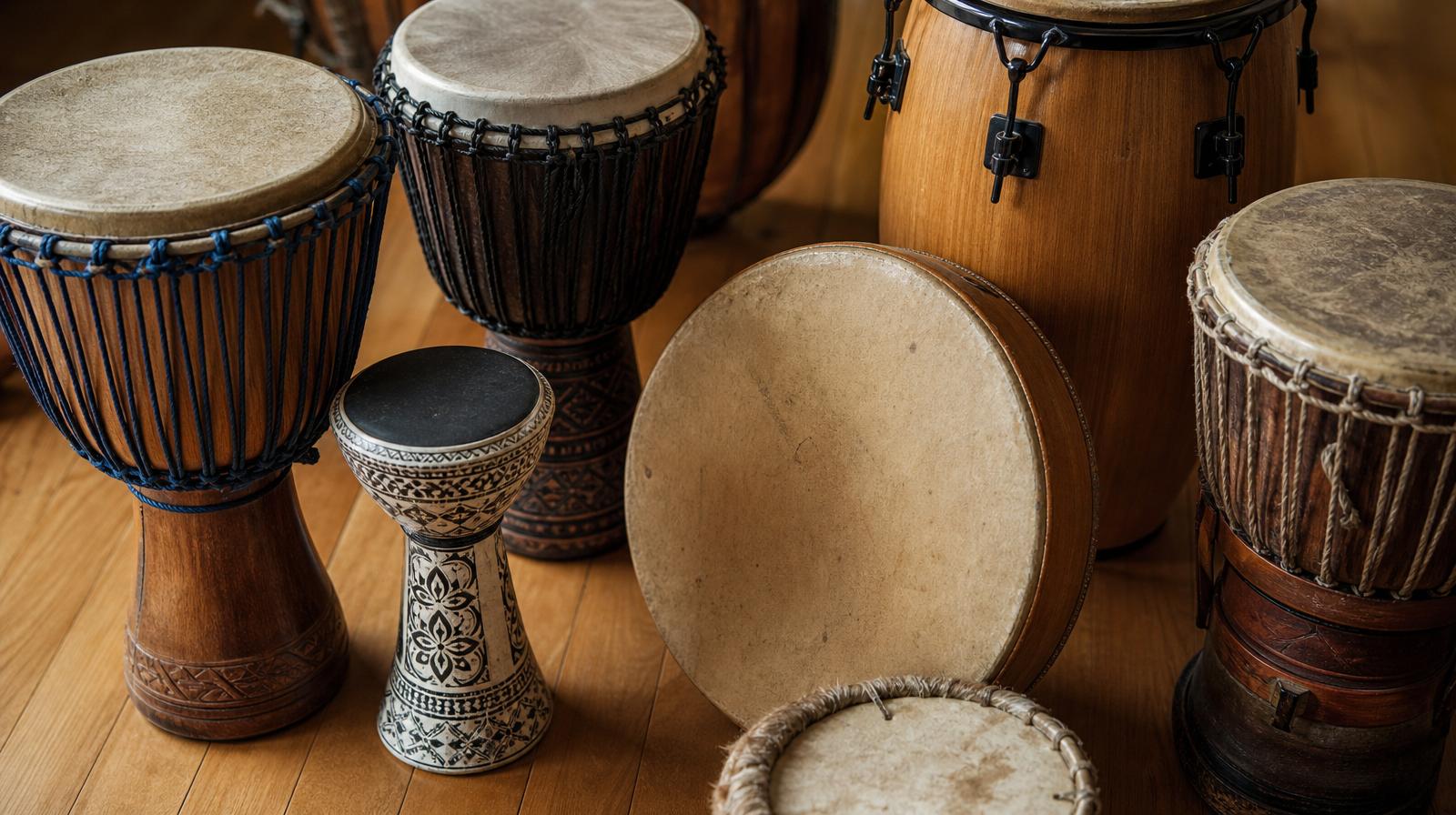
In most shamanic circles, the instrument of choice is the frame drum. These drums consist of a skin (either raw hide or synthetic) stretched over a narrow wooden hoop. They are lightweight, held in one hand, and struck with a padded mallet.
-
Buffalo or Elk Hide Drums: Known for their deep, resonant tones that vibrate through the chest.
-
Synthetic Heads: Preferred for outdoor gatherings or humid climates, as they stay in tune regardless of the weather.
-
Rattles and Shakers: Used to clear the energy of the space or provide a high-frequency counterpoint to the deep thud of the drum.
-
The Mother Drum: Some circles feature a large communal drum played by several people at once, grounding the entire room in a singular pulse.
If you are looking to master these specific instruments, connecting with drum teachers who specialize in indigenous or meditative styles can help you develop the proper technique to sustain long sessions without fatigue.
The Structure of a Healing Circle
Every shamanic drumming circle has its own flavor, but most follow a traditional arc to ensure a safe and sacred environment:
- Opening the Space: This may involve smudging with sage or palo santo, calling in the four directions, or setting a collective intention.
- The Sonic Driver: The group begins a steady beat, usually between 160 and 220 beats per minute. This continues for 15 to 30 minutes.
- The Journey: Participants may close their eyes, focusing on an internal question or simply observing the imagery that arises.
- The Callback: A specific rhythmic signal (often four sharp beats) indicates it is time to return to full awareness.
- Sharing and Integration: A brief period where members can share their experiences in a supportive, non-judgmental environment.
Etiquette for First-Time Participants
Entering a sacred space requires a certain level of mindfulness. If you are attending your first shamanic drumming circle, keep these etiquette tips in mind:
- Honor the Silence: The moments before and after the drumming are often just as important as the noise. Enter quietly.
- Follow the Lead: Pay attention to the facilitator. If they slow down or soften the volume, follow suit immediately.
- Ask Before Using: Never pick up someone else's drum or rattle without permission. These instruments are often considered deeply personal tools.
- No Solos: This is not the time to show off your speed or technical fills. The power lies in the uniformity of the beat.
For those looking to deepen their practice, attending specialized drumming retreats can provide a more immersive environment to learn these protocols from experienced elders.
Health and Wellness Benefits of Shamanic Beats
Science is beginning to catch up with what indigenous cultures have known for millennia. Rhythmic drumming has been shown to reduce cortisol levels, boost the immune system, and provide a healthy outlet for processing trauma.
In a shamanic circle, the physical vibration of the drum acts as a form of 'sound massage.' Because our bodies are largely composed of water, the sound waves travel through our tissues, helping to release physical tension and emotional blockages. It is a powerful tool for anyone seeking a holistic approach to mental health.
Finding Your Rhythm Community
While you can certainly drum alone, there is an amplified energy that occurs when a group pulses together. This 'entrainment' helps individuals reach deeper states of meditation than they might achieve on their own.
If you are ready to experience this for yourself, you can explore various events and workshops hosted by practitioners worldwide. Whether it’s a full-moon gathering in a local park or a formal ceremony in a dedicated healing center, the right community is waiting for you.
Find a drum circle near you and start your journey today.
Frequently asked
- Do I need to be a 'shaman' to join a shamanic drumming circle?
- Not at all. These circles are generally open to anyone with a sincere heart and an interest in meditative drumming. The term 'shamanic' refers to the technique and the intention of the rhythm, rather than a requirement for the participants to hold a specific title.
- What if I don't own a frame drum?
- Many facilitators have extra drums or rattles they can lend to beginners. It is always best to check the event description or message the organizer beforehand. If you don't have a drum, a simple rattle or even two smooth stones can be used to keep the beat.
- How is a shamanic circle different from a djembe circle?
- A djembe or 'community' circle is often celebratory, featuring complex polyrhythms, dancing, and improvisation. A shamanic circle is more focused on internal meditation, using a steady, repetitive 'monotone' beat to facilitate a trance-like state.
Find a drum circle near you
Browse hundreds of circles, teachers and rhythm community gatherings.
Explore drum circles