
Shamanic Drumming: A Guide to Rhythm, Healing, and Spirit
Discover the ancient practice of shamanic drumming, from choosing your first frame drum to mastering the rhythmic journey for healing and meditation.
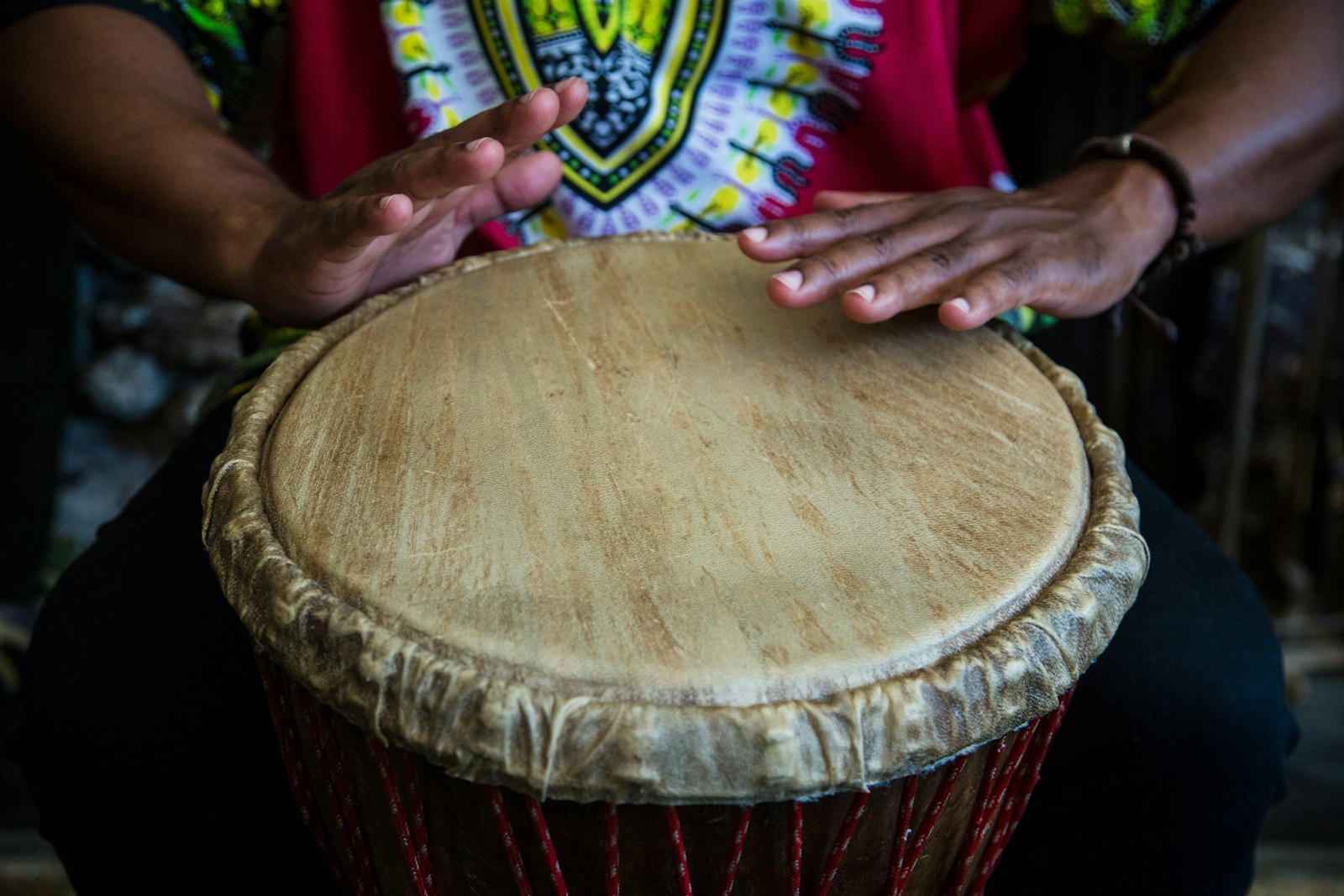
For millennia, the steady, hypnotic beat of the drum has served as a bridge between the physical and spiritual worlds. Known as the 'horse' that carries the practitioner into altered states of consciousness, shamanic drumming is one of humanity’s oldest tools for healing, introspection, and community connection.
Unlike the complex polyrhythms of a djembe ensemble or the syncopated grooves of a jazz conga player, shamanic drumming focuses on a consistent, repetitive cadence. It is a practice of intention, where the rhythm becomes a vehicle for the mind to transcend daily chatter and tap into a deeper well of wisdom.
The Heartbeat of the Earth: What is Shamanic Drumming?
At its core, shamanic drumming is a form of rhythmic entrainment. When a drum is struck at a steady rate—usually between three to seven beats per second—it mimics the theta brainwave state. This is the same state we experience during deep meditation or REM sleep.
In traditional cultures across Siberia, Mongolia, Scandinavia (the Sami), and the Americas, the drum was used by healers and shamans to 'journey' to other realms. Today, this practice has evolved into a modern wellness tool used for stress reduction, trauma release, and spiritual exploration. Whether you are participating in a full-moon gathering or practicing solo in your living room, the goal remains the same: to align your internal vibration with the pulse of the universe.
Choosing Your Instrument: The Power of the Frame Drum
While you can technically use any instrument for rhythmic meditation, the frame drum is the traditional choice for shamanic work. These drums are characterized by a width greater than their depth, making them lightweight and easy to hold for long periods.
- Animal Hide vs. Synthetic: Traditionalists often prefer elk, deer, or buffalo hide for their unique, earthy tones. However, synthetic heads (like the Remo Buffalo Drum) are excellent for outdoor drumming retreats because they don't lose their tension in humid or cold weather.
- Size Matters: A 14-inch drum is portable and high-pitched, while a 22-inch drum offers a deep, resonant bass that vibrates through the chest cavity.
- The Beater: The mallet, or beater, is just as important as the drum. A soft, padded beater produces a warm, muffled tone ideal for journeying, while a harder tip provides the sharp 'crack' needed for clearing stagnant energy.
The Anatomy of a Shamanic Journey
A shamanic journey is a focused meditation supported by the drum. If you are new to the practice, following a structured format can help you stay grounded while you explore your inner landscape.
- Setting Intention: Before the first strike, state your purpose. Are you seeking guidance on a life decision? Are you looking to release a specific emotional block?
- The Opening Call: Many practitioners begin by drumming to the four directions, honoring the north, south, east, and west to create a sacred space.
- The Steady State: The bulk of the session consists of a rapid, monotonous beat. This is the 'traveling' phase where the mind begins to drift and visualize.
- The Callback: To signal the end of the journey, the drummer plays a distinct series of sharp beats (often four sets of three) followed by a short period of silence to reintegrate.
Benefits for Health and Wellness
Science is beginning to catch up with what indigenous cultures have known for centuries. Shamanic drumming has measurable effects on the human nervous system. By shifting the body out of 'fight or flight' mode and into the parasympathetic nervous system, drumming can:
- Reduce Cortisol: Lowering stress hormones helps the body recover from chronic anxiety.
- Boost the Immune System: Studies have shown that group drumming increases 'Natural Killer' (NK) cell activity, which helps fight viruses.
- Release Endorphins: The physical act of drumming releases feel-good chemicals that act as natural painkillers.
- Foster Connection: Participating in a local circle combats the modern epidemic of loneliness.
Etiquette for Spiritual Drumming Circles
If you find a gathering through our drum circle directory, it is important to understand that shamanic circles differ from high-energy community jams.
- Listen First: When you join, don't immediately start a complex solo. Feel the pulse of the group and blend in.
- Respect the Silence: In shamanic work, the silence after the drumming is just as important as the noise. Avoid talking immediately after a journey.
- Ask Before Playing: Many shamanic drums are considered sacred objects. Never play someone else's drum without explicit permission.
Deepening Your Practice
If you feel called to lead others or want to master the nuances of the frame drum, seeking out drum teachers who specialize in therapeutic rhythm is a vital next step. They can teach you how to maintain a steady tempo for 20+ minutes—a feat that requires more physical and mental stamina than most realize.
For those who want to immerse themselves fully, enrolling in drum schools that offer workshops on instrument making can be a life-changing experience. There is a profound bond created when you birth your own drum from wood and hide.
Find a drum circle near you at Drum Circle Directory.
Frequently asked
- What is the best rhythm for shamanic drumming?
- The most effective rhythm for shamanic journeying is a steady, monotonous beat played at approximately 120 to 180 beats per minute (3 to 6 beats per second). This specific frequency is known to induce theta brainwave states, which are associated with deep meditation and creative visualization.
- Do I need a specific type of drum for shamanic practices?
- While any drum can work, the single-headed frame drum is the traditional choice. It is lightweight enough to hold for long sessions and produces a wide range of overtones. Many practitioners prefer drums made from natural hides like buffalo or elk, though synthetic heads are more durable for travel.
- Can anyone practice shamanic drumming?
- Yes, shamanic drumming is an inclusive practice that does not require prior musical training. Because the focus is on a simple, repetitive pulse rather than complex technique, beginners can experience the meditative benefits almost immediately. It is more about intention and listening than performance.
- How long should a drumming journey last?
- A typical shamanic journey lasts between 15 and 30 minutes. This provides enough time for the brain to transition into a meditative state and explore the internal imagery. Beginners may want to start with 10-minute sessions and gradually increase the duration as their focus improves.
Find a drum circle near you
Browse hundreds of circles, teachers and rhythm community gatherings.
Explore drum circles