Shamanic Drumming Near Me: A Guide to Local Rhythm Journeys
Discover the transformative power of the heartbeat rhythm and find local shamanic drumming circles to deepen your spiritual practice.
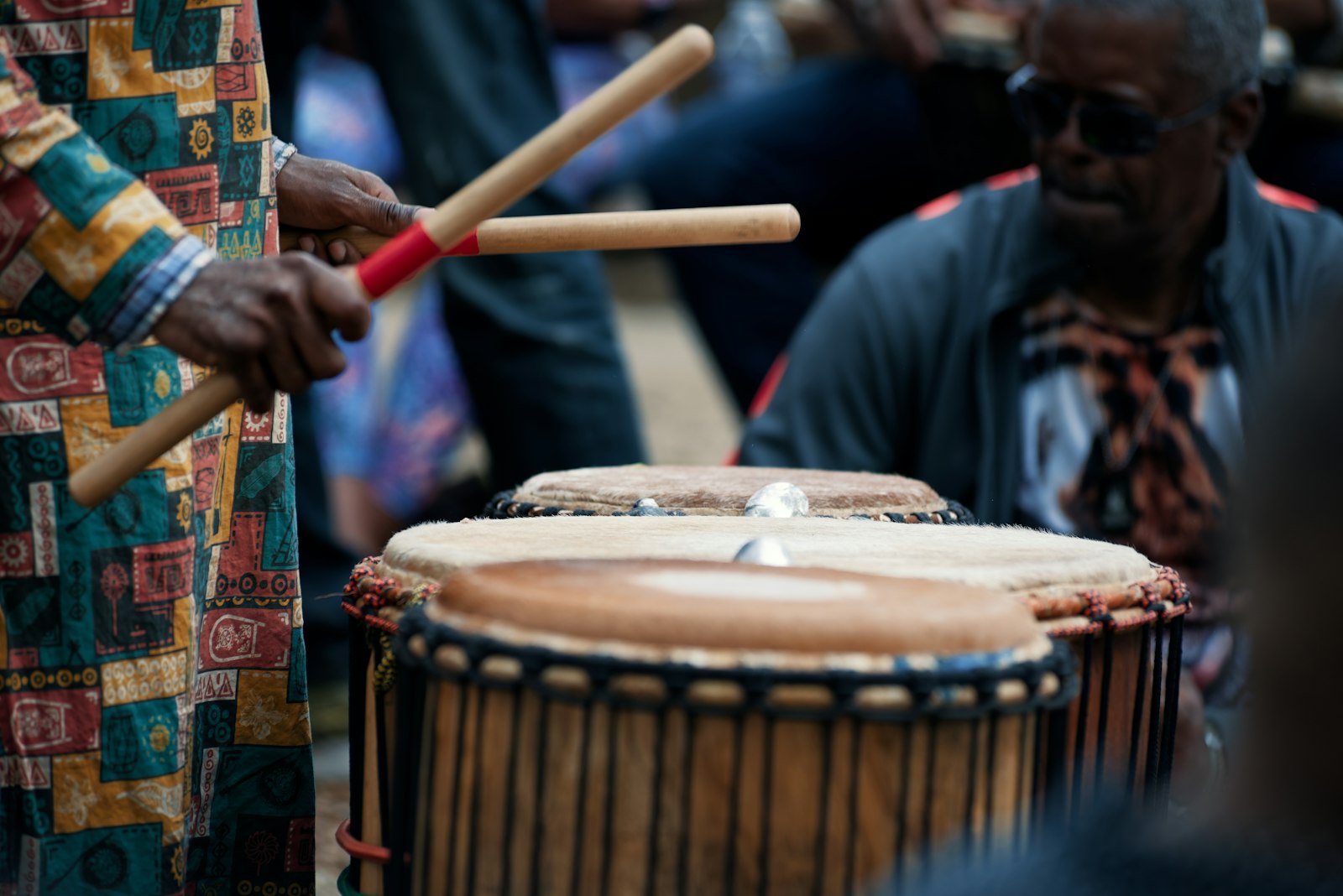
There is a specific, primal resonance that occurs when a mallet strikes a stretched hide. It is not the complex, syncopated polyrhythm of a West African djembe ensemble or the fiery pulse of a Cuban conga line. Instead, it is a steady, hypnotic beat—often referred to as the "heartbeat rhythm." This is the essence of shamanic drumming, an ancient practice used for millennia to induce altered states of consciousness, promote healing, and build community.
If you have been searching for "shamanic drumming near me," you are likely looking for more than just a musical performance. You are seeking a gateway to mindfulness, a way to quiet the internal chatter, and a space to connect with others on a deeper, more intuitive level.
Understanding the Shamanic Drumming Experience
At its core, shamanic drumming is a form of active meditation. Unlike a performance-based drum circle where the focus might be on technical skill or complex improvisation, a shamanic circle focuses on intention. The rhythm is typically a steady 4 to 7 beats per second, which scientific studies have shown can lead the brain into a theta state—the frequency associated with deep relaxation, dreaming, and creative insight.
Participants often report feeling a sense of "journeying." While the drum provides the vehicle, your mind provides the destination. In a local circle, this might manifest as a guided visualization, a period of silent reflection, or a collective release of stress and emotional weight.
The Instruments of the Journey: Beyond the Djembe
While any drum can technically be used for rhythm healing, the shamanic tradition is most closely associated with the frame drum. These are shallow, circular drums, often made of wood with a natural hide (like elk, deer, or horse) or a synthetic skin stretched over one side.
- The Hoop Drum: The most common shamanic tool, held by a cross-brace on the back and played with a padded mallet.
- The Buffalo Drum: Known for its deep, resonant bass tones that vibrate through the floor and into the body.
- The Sami Drum: Historically significant in Northern Europe, often decorated with symbolic art representing the cosmos.
- The Ocean Drum: Sometimes used in these circles to create the soothing sound of waves between drumming segments.
If you don't own a drum yet, don't worry. Most local facilitators provide extra instruments or encourage beginners to start with a simple rattle to keep the pulse.
What to Expect at Your First Local Shamanic Circle
Walking into a new spiritual space can feel intimidating, but shamanic drumming communities are notoriously welcoming. While every facilitator has their own style, most gatherings follow a similar flow:
- Opening the Circle: This often involves a simple smudge with sage or palo santo to clear the energy of the room, followed by an invitation to set a personal intention.
- The Journey: The facilitator will begin a steady beat. Participants may sit or lie down, closing their eyes to focus on the sound. This phase can last anywhere from 15 to 45 minutes.
- The Call-Back: A specific change in tempo or a series of sharp beats signals the end of the journey, bringing everyone back to the present moment.
- Sharing and Integration: Many circles end with a brief period where participants can share their experiences or insights, though this is usually optional.
To find a group that matches your energy, you can browse our local drum circles to see which facilitators in your area specialize in meditative or shamanic styles.
The Benefits of Group Rhythm Healing
Why look for a group rather than drumming alone at home? The power of "entrainment" is significantly amplified in a group setting. Entrainment occurs when your internal biological rhythms—like your heart rate and brain waves—sync up with the external rhythm of the drums. When a dozen people drum together with a shared intention, the collective resonance is palpable.
Beyond the spiritual aspect, regular participation in these circles can:
- Reduce cortisol levels and chronic stress.
- Provide a sense of belonging and community support.
- Boost the immune system through the physical act of vibration.
- Offer a healthy emotional outlet for grief, anger, or anxiety.
Finding Shamanic Drumming Near Me
Finding a consistent group requires knowing where to look. Shamanic drumming isn't always advertised in mainstream music shops. Instead, check these locations:
- Holistic Centers: Many yoga studios and wellness centers host "Full Moon" or "New Moon" drumming circles.
- Metaphysical Shops: Stores selling crystals and incense often have bulletin boards for local spiritual gatherings.
- Community Directories: The best way to find verified, long-standing groups is through specialized platforms. You can search for local drumming events or connect with experienced drumming teachers who offer private shamanic instruction.
If you find that your local area lacks a dedicated circle, consider looking into drumming retreats. These multi-day immersions allow you to dive much deeper into the practice than a two-hour weekly session allows.
Etiquette for Shamanic Circles
To ensure a positive experience for everyone, keep these simple etiquette tips in mind:
- Respect the Silence: The silence after the drumming stops is just as important as the noise. Avoid talking until the facilitator opens the floor.
- Ask Before Touching: Many shamanic drums are considered sacred tools by their owners. Always ask before picking up or playing someone else's drum.
- Be Mindful of Volume: In a shamanic journey, the goal is a steady drone, not a loud solo. Match the volume of the facilitator.
- Turn Off Electronics: This is a time to disconnect from the digital world and reconnect with the self.
Conclusion: Your Path to the Heartbeat
Whether you are looking to heal, to meditate, or simply to find a tribe of like-minded souls, shamanic drumming offers a path back to your own internal rhythm. It requires no musical background—only an open heart and a willingness to listen.
Find a drum circle near you: /drum-circles
Frequently asked
- Do I need to be a musician to attend a shamanic drumming circle?
- Not at all. Shamanic drumming is about intention and vibration rather than musical skill. The primary rhythm is a steady, repetitive beat that is easy for beginners to follow, and many people attend specifically because it is a non-judgmental space for non-musicians.
- What should I bring to my first shamanic drumming session?
- If you have a frame drum or rattle, bring it. If not, most circles have extras. You may also want to bring a yoga mat or cushion to sit on, a bottle of water, and perhaps a journal to write down any insights you receive during the journey.
- How is shamanic drumming different from a standard drum circle?
- A standard drum circle is often improvisational, high-energy, and focused on communal music-making. Shamanic drumming is more meditative, using a consistent, hypnotic tempo to facilitate internal reflection, healing, and spiritual journeying.
- Can shamanic drumming help with anxiety?
- Yes, many participants find it highly effective for anxiety. The rhythmic sound helps to quiet the 'monkey mind' and triggers the parasympathetic nervous system, which promotes a state of calm and relaxation.
Find a drum circle near you
Browse hundreds of circles, teachers and rhythm community gatherings.
Explore drum circles