
Siesta Beach Parking for Drum Circle: The Ultimate
Planning a trip to the legendary Siesta Key drum circle? Learn exactly where to park, when to arrive, and how to navigate the crowds for a stress-free rhythmic experience.
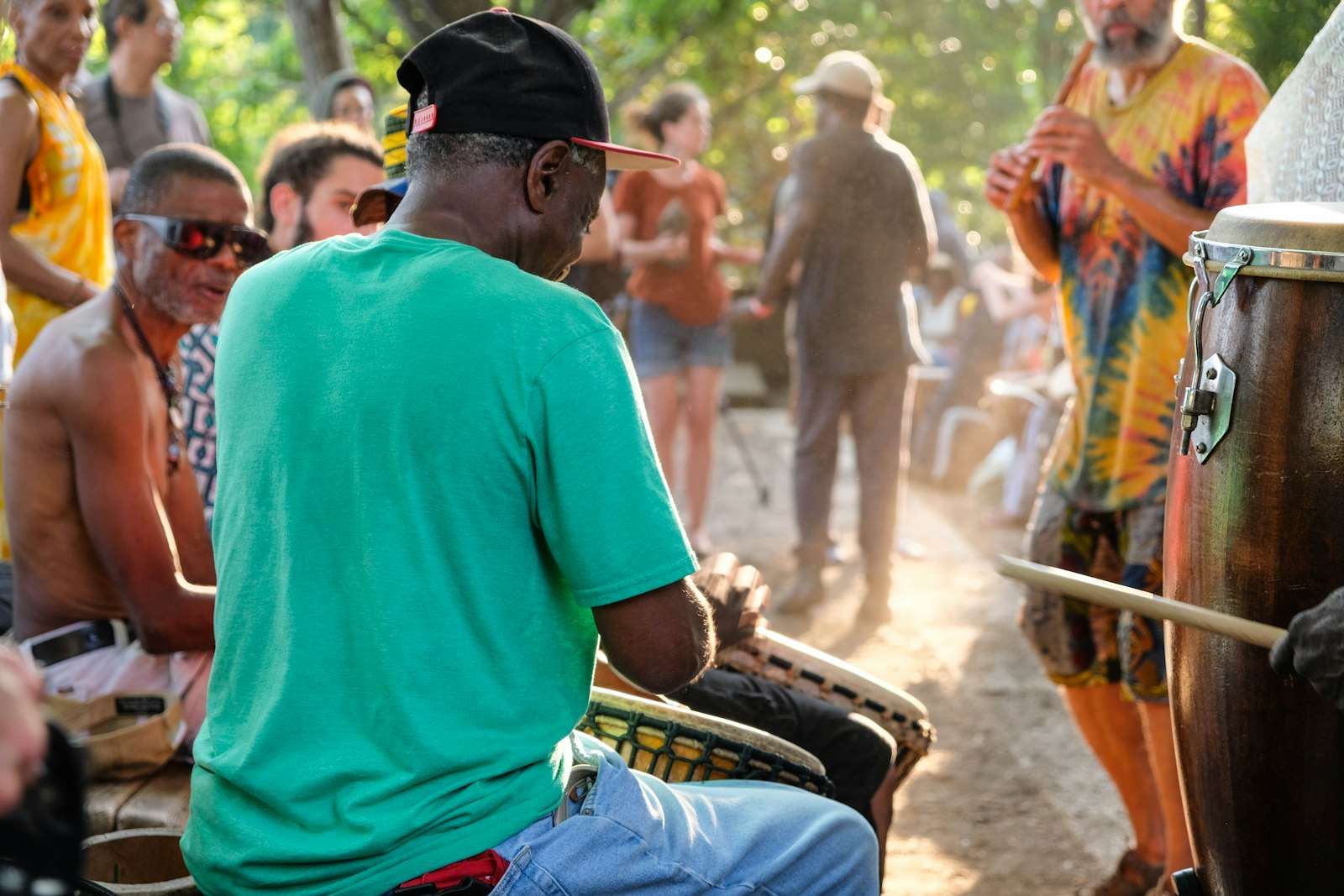
Every Sunday evening, as the sun begins its slow descent toward the Gulf of Mexico, a rhythmic pulse begins to echo across the quartz sands of Siesta Key. The Siesta Key Drum Circle is more than just a musical event; it is a Sarasota institution that draws hundreds of locals and tourists alike. However, because of its immense popularity, the logistics of getting there—specifically finding a spot for your car—can be the most challenging part of the evening.
If you are carrying a heavy djembe, a pair of congas, or even a delicate frame drum, you don't want to be walking miles from a remote parking spot. This guide covers everything you need to know about Siesta Beach parking for the drum circle so you can focus on the rhythm, not the walk.
The Layout of Siesta Key Public Beach
Siesta Beach underwent a massive renovation a few years ago, which expanded the parking facilities significantly. There are now approximately 800 to 900 parking spaces in the main lot located at 948 Beach Road. While that sounds like a lot, on a sunny Sunday, these spots are often filled by 10:00 AM by beachgoers who are there for the day.
The drum circle typically forms directly behind the main pavilion and concession stand area, slightly to the left (south) if you are facing the water. To minimize your walking distance, you want to aim for the central or southern sections of the main parking lot.
When to Arrive for the Best Parking
Timing is the single most important factor for Siesta Beach parking for the drum circle. The circle usually starts about an hour before sunset, but if you arrive then, you will likely find the "Lot Full" signs prominently displayed.
- The Pro Move: Arrive by 3:00 PM or 4:00 PM. This is when the first wave of daytime sunbathers begins to pack up and head home, creating a turnover of prime spots.
- The Sunset Rush: By 5:30 PM (depending on the season), traffic on Midnight Pass Road and Beach Road slows to a crawl. Avoid this window if at all possible.
- Seasonal Variation: During "Season" (January through April), parking is a competitive sport. During the quieter summer months, you might have more flexibility, though the heat often keeps people in their cars until later in the day.
Alternative Parking Options Near Siesta Beach
If the main lot is full, don't panic. You have a few secondary options, though they require a bit more effort:
- Street Parking: There are limited legal street spots on nearby side streets. Always check for "No Parking" signs, as Sarasota County is very active in ticketing during the drum circle.
- Siesta Key Village: Some visitors park in the Village and take the free Siesta Key Breeze Trolley. The trolley runs from the Village down to the beach, and it is a fantastic way to avoid parking headaches entirely. Just ensure your instruments are secured and portable enough for a bus ride.
- Access Points: There are several smaller beach access points along Beach Road (Access 2, 3, 4, etc.). While these have very few spots, you might get lucky if someone is leaving.
Navigating the Sand with Your Drums
Once you’ve secured your Siesta Beach parking for the drum circle, you still have to get your gear to the circle. The sand at Siesta Key is famous for being 99% pure quartz, which means it is soft, white, and very powdery. While beautiful, it is difficult to pull traditional wagons through.
- Wheeled Carts: Use a beach cart with wide, balloon-style tires if you are bringing heavy dunun or a full percussion kit.
- Shoulder Straps: For djembe and doumbek players, a high-quality padded shoulder strap is essential.
- The Path: Look for the blue Mobi-Mats. These are permanent accessible mats that extend onto the sand, making it much easier to wheel gear or walk without sinking until you get closer to the circle area.
Drum Circle Etiquette and Environment
Siesta Key is a family-friendly, drug-free, and alcohol-free beach. The drum circle reflects this community spirit. You will see professional facilitators, hula hoopers, belly dancers, and children all sharing the space.
When you arrive, look for the inner circle of drummers. If you are a beginner, it is often polite to sit just outside the primary ring until you catch the beat. If you are looking to improve your skills before joining such a large public event, consider connecting with drum teachers in the Sarasota area who can help you master basic tones and slaps.
What to Bring Besides Your Drum
To make the most of your evening after navigating the Siesta Beach parking for the drum circle, come prepared:
- Hydration: Bring plenty of water. The Gulf breeze can be deceptive, and drumming is a physical workout.
- Seating: A low-profile beach chair or a thick Mexican blanket is perfect for the sand.
- Lighting: Once the sun goes down, the beach gets dark quickly. A small headlamp or flashlight helps when packing up your gear.
- Ear Protection: If you plan on sitting in the center of the heat, the decibel levels can get quite high. High-fidelity earplugs are a great investment for long-term ear health.
Why the Siesta Circle is Unique
Unlike many events that are organized by a single entity, the Siesta Key Drum Circle is a true grassroots phenomenon. It has no official leader; it is a self-organizing community that has met every Sunday for decades. Whether you are playing a conga, a cowbell, or just clapping your hands, you are part of a tradition that celebrates the intersection of nature and rhythm.
If you enjoy this type of communal experience, you might also be interested in exploring more immersive drumming retreats where you can dive deeper into the history of these rhythms in a focused environment.
Conclusion
Securing Siesta Beach parking for the drum circle requires a bit of strategy, but the reward is one of the most magical musical experiences in Florida. By arriving early, using the trolley, or scouting the main lot during the afternoon turnover, you can ensure your night is spent in the flow of the rhythm rather than circling the block.
Find a drum circle near you on our global directory to keep the beat going wherever you travel.
Frequently asked
- What time does the Siesta Key drum circle start?
- The drum circle generally begins about one hour before sunset every Sunday. While the start time shifts throughout the year, arriving at the beach by 4:00 PM is recommended to secure parking and a good spot in the circle.
- Is parking free at Siesta Beach for the drum circle?
- Yes, parking in the main Siesta Key Public Beach lot is free. However, because it is a premier destination, the lot fills up very quickly, especially on weekends and during the peak winter tourist season.
- Can I bring my own drum to the Siesta Key circle?
- Absolutely! The Siesta Key Drum Circle is an inclusive community gathering. Whether you have a professional djembe or a simple hand shaker, all skill levels and instruments are welcome to join the rhythm.
- Is the Siesta Key Breeze Trolley a good option for the drum circle?
- Yes, the free trolley is an excellent alternative if the main parking lot is full. You can park in Siesta Key Village and ride the trolley directly to the beach, though be mindful of your instrument size as the trolley can get crowded.
Find a drum circle near you
Browse hundreds of circles, teachers and rhythm community gatherings.
Explore drum circles