
Siesta Key Beach Drums: A Guide to the Famous Sunday Night Circle
Experience the magic of the Siesta Key Beach drum circle, a legendary weekly gathering where rhythm meets the sunset on Florida's Gulf Coast.
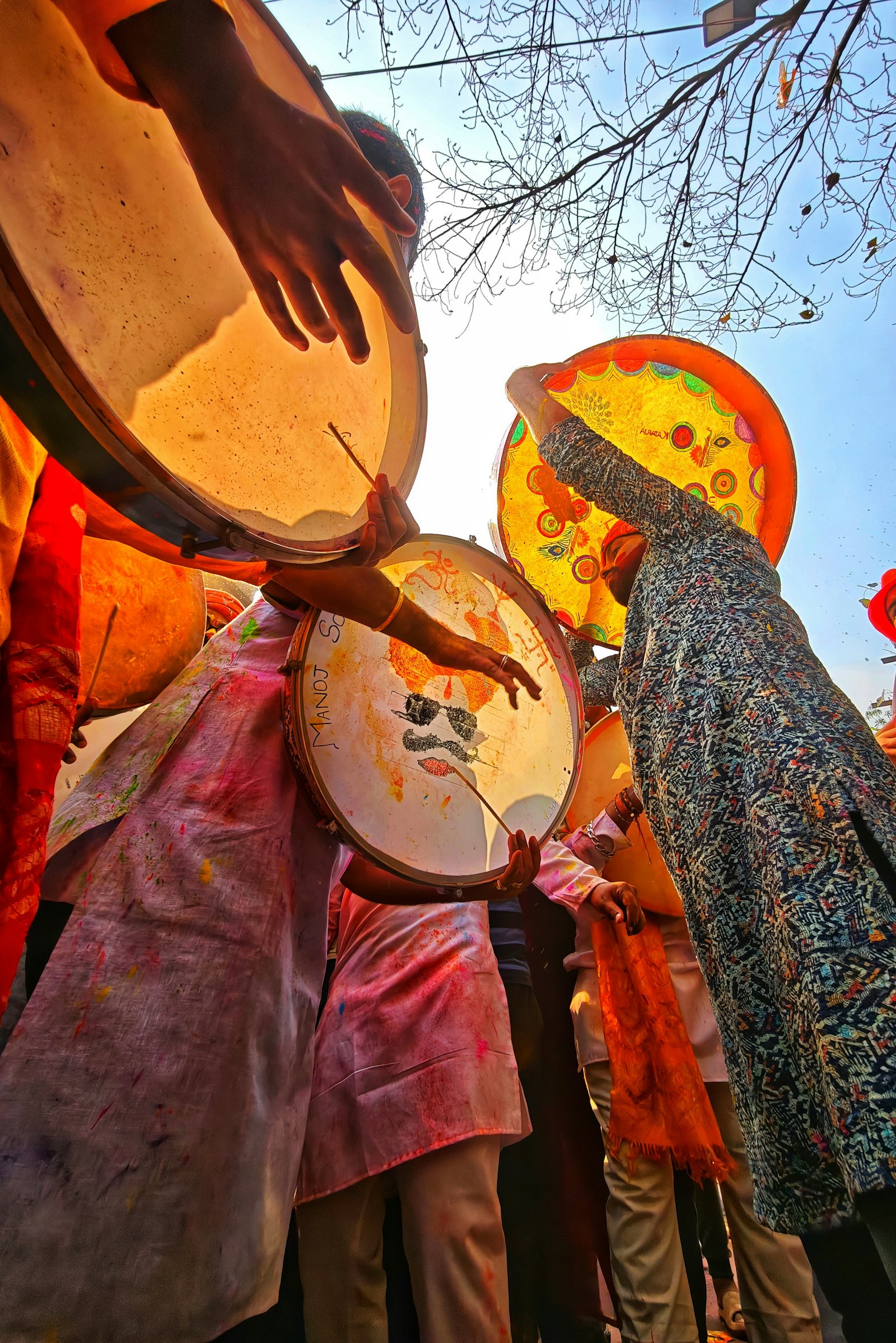
As the sun begins its slow descent toward the turquoise waters of the Gulf of Mexico, a rhythmic pulse begins to rise from the white quartz sands of Siesta Key. This isn't just a casual gathering; the Siesta Key beach drums represent one of the most enduring and vibrant community rhythm traditions in the United States.
Whether you are a seasoned percussionist with a professional djembe or a curious traveler looking to experience the local culture, the Sunday night drum circle is a transformative experience. In this guide, we’ll explore everything you need to know about joining the rhythm, the etiquette of the circle, and how to make the most of your visit to this Sarasota landmark.
The History and Spirit of the Siesta Key Drum Circle
The Siesta Key drum circle began decades ago as a small, informal gathering of locals and hippies who wanted to celebrate the sunset. Over the years, it has transformed into a massive weekly event that attracts hundreds of participants and thousands of spectators.
Unlike a structured concert, there is no stage and no central leader. The music is organic, shifting from high-energy tribal beats to slow, meditative grooves. It is a celebration of diversity, where people of all ages, backgrounds, and skill levels come together to share a single heartbeat. The spirit of the circle is one of radical inclusion—if you can feel the beat, you belong.
When and Where to Find the Rhythm
The magic happens every Sunday evening, year-round, at Siesta Public Beach.
- Location: Look for the crowd between the main pavilion and the Gulf waters. It is usually situated slightly south of the main lifeguard stands.
- Timing: The drumming typically starts about an hour before sunset. In the summer, this might mean 7:00 PM, while winter gatherings start as early as 4:30 PM.
- Duration: The energy usually peaks right at sunset and continues for about 30 to 60 minutes after the sun disappears, depending on the crowd's energy and local park ordinances.
Instruments You’ll Hear (and Can Bring)
The soundscape of Siesta Key is diverse. While the djembe is the most common instrument due to its volume and versatility, you will hear a wide array of percussion instruments:
- Djembe: The West African powerhouse that provides the sharp slaps and deep bass notes.
- Congas and Bongos: Adding a Latin flair to the beach vibes.
- Dunun: Large cylindrical drums played with sticks that provide the melodic foundation.
- Frame Drums and Doumbeks: Often found on the inner edges of the circle for more intricate, Middle Eastern-inspired rhythms.
- Auxiliary Percussion: Maracas, shakers, cowbells, and tambourines are perfect for those who want to participate without carrying a heavy drum.
If you are looking to improve your technique before joining the circle, consider connecting with local drum teachers who can help you master the basic strokes of bass, tone, and slap.
Etiquette for the Siesta Key Beach Drums
To keep the community spirit alive and respectful, there are a few unwritten rules for participating in the Siesta Key beach drums:
- Listen First: Before you start playing, listen to the established rhythm for a few minutes. Try to find the "pocket" rather than playing over everyone else.
- Respect the Inner Circle: The center of the circle is often reserved for dancers and those performing hula-hoop routines or fire dancing (where permitted). Keep the path clear.
- Ask Before Playing Someone Else’s Drum: Drummers are generally friendly, but many instruments are expensive and sentimental. Always ask before sitting down at a drum that isn't yours.
- Support the Groove: If the rhythm is fast and loud, match that energy. If it becomes a quiet, low-volume jam, bring your volume down accordingly.
- Leave No Trace: Siesta Key is world-famous for its pristine sand. Ensure you pack out all trash and respect the natural environment.
Beyond the Drums: Dancers and Spectators
The Siesta Key beach drums are as much a visual experience as an auditory one. You’ll see belly dancers in flowing silk, children dancing in the sand, and flow artists with LED hoops. For many, the movement is a form of prayer or meditation.
Spectators are encouraged to bring a beach chair or a blanket and set up on the perimeter. It is a family-friendly environment where children often find themselves mesmerized by the beat. If you find yourself inspired by the community aspect and want to find similar gatherings elsewhere, you can browse our directory of drum circles to find your local tribe.
Tips for a Perfect Sunday Experience
To ensure your trip to see the Siesta Key beach drums is stress-free, keep these practical tips in mind:
- Arrive Early: Parking at Siesta Public Beach is notoriously difficult on Sundays. Aim to arrive by mid-afternoon to secure a spot and enjoy the beach before the drumming starts.
- Hydrate: Florida heat is intense, even at sunset. Bring plenty of water.
- Bring a Flashlight: Once the sun goes down, the walk back to the parking lot can be dark.
- Check the Weather: While the drummers are dedicated, heavy rain or lightning will cancel the gathering.
Why We Drum: The Health and Community Benefits
Participating in a circle like the one at Siesta Key isn't just fun—it's good for you. Group drumming has been shown to reduce stress, boost the immune system, and create a sense of belonging. In a world that is increasingly digital, the physical act of striking a drum and feeling the vibration connect with others is a powerful antidote to isolation.
Many participants find that the weekly rhythm helps them reset for the work week ahead. If you're interested in a deeper dive into the healing power of rhythm, exploring drumming retreats can be a great way to immerse yourself in the practice beyond the beach.
Joining the Sarasota Rhythm Scene
The Siesta Key beach drums are the crown jewel of the local scene, but the rhythm doesn't stop there. Sarasota and the surrounding Gulf Coast areas host various indoor circles, rhythm events, and workshops throughout the year. Whether you want to learn the traditional rhythms of the Mandingue or simply want to jam with friends, there is a place for you here.
Find a drum circle near you and start your rhythmic journey today!
Frequently asked
- What time does the Siesta Key drum circle start?
- The drum circle typically begins about one hour before sunset every Sunday. Depending on the season, this can range from 4:30 PM in the winter to 7:00 PM in the peak of summer.
- Is the Siesta Key drum circle family-friendly?
- Yes, it is a very family-friendly event. Children are welcome to dance, play small percussion instruments, and enjoy the beach atmosphere, though parents should be mindful that it can get quite loud and crowded.
- Do I need to bring my own drum to participate?
- While most regular participants bring their own djembes or congas, it is not required. Many people come just to dance or listen, and occasionally, friendly drummers may have an extra shaker or instrument they are willing to share.
- Where exactly on the beach is the drum circle located?
- The circle forms on the main Siesta Public Beach, usually located between the large beach pavilion/concession area and the Gulf of Mexico, slightly south of the main lifeguard stands.
Find a drum circle near you
Browse hundreds of circles, teachers and rhythm community gatherings.
Explore drum circles