Sound Healing Drums: A Guide to Rhythmic Wellness and
Discover how sound healing drums use frequency and vibration to reduce stress, improve mental clarity, and foster deep community connection.
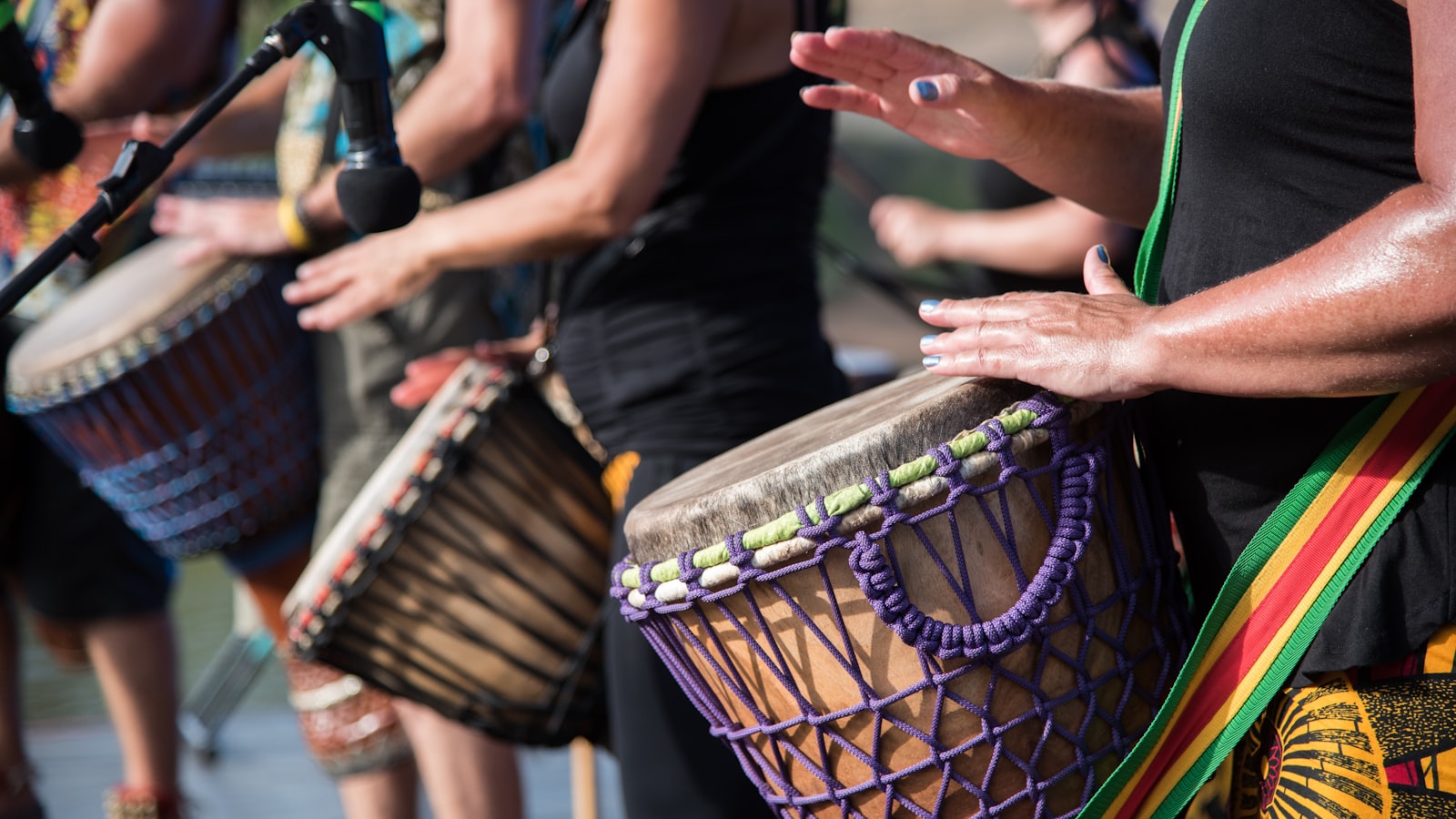
For thousands of years, the rhythm of the drum has been the heartbeat of human connection. From the ancient temples of the Mediterranean to the vast plains of North America, sound healing drums have served as tools for transformation, meditation, and physical recovery. Today, as we navigate an increasingly digital and disconnected world, the resonance of a hand drum offers a grounded path back to our natural state of well-being.
Sound healing is more than just listening to music; it is an immersive experience where the vibration of the instrument interacts with the body on a cellular level. Whether you are a seasoned percussionist or someone who has never touched a mallet, understanding the power of these instruments can open new doors to personal health.
The Science of Rhythmic Vibration
At its core, sound healing is based on the principle of entrainment. This is a physics phenomenon where two oscillating bodies lock into a single rhythm. When you play a sound healing drum, your brainwaves often begin to synchronize with the steady beat, moving from the high-frequency Beta state (active thinking) into the Alpha or Theta states (relaxation and deep meditation).
Research has shown that therapeutic drumming can increase the production of T-cells, which boost the immune system, and lower cortisol levels. By focusing on the sustained vibration of a low-frequency drum, practitioners can induce a state of "active meditation" that is often easier to achieve than silent sitting for those with restless minds.
Essential Types of Sound Healing Drums
Not all drums are created equal when it comes to therapy. While any drum can be used for expression, certain instruments are favored for their specific tonal qualities and histories.
- Frame Drums: Perhaps the oldest drum in the world, the frame drum (like the Irish Bodhrán or the Middle Eastern Tar) is prized for its rich overtones. When held close to the body, the vibrations of the skin resonate deeply within the chest cavity.
- Buffalo Drums: Often used in shamanic traditions, these synthetic or hide-covered drums produce a deep, earthy thrum. They are excellent for "grounding" sessions where the goal is to feel more connected to the physical earth.
- Djembe: This West African powerhouse is known for its wide range of frequencies—from deep bass notes to sharp slaps. In a community setting, the djembe provides the "heartbeat" that holds the group together.
- Ocean Drums: These unique instruments contain small metal beads that roll over the drumhead, mimicking the sound of crashing waves. They are frequently used in drumming retreats to facilitate deep relaxation and emotional release.
Incorporating Drums into Meditation and Yoga
The marriage of rhythm and movement is a natural one. Many yoga studios now incorporate sound healing drums into Savasana or restorative poses. A slow, steady beat acts as an anchor, preventing the mind from wandering while the body rests.
If you are practicing at home, try "scanning" your body with the drum. By playing a frame drum near different energy centers (or chakras), you can often feel where tension is held. The vibration acts like a sonic massage, loosening tight muscles and encouraging the flow of energy.
The Power of Community Drumming
While solo practice is beneficial, there is a unique magic in the collective. Joining a drum circle is one of the most accessible ways to experience sound healing. In these circles, the "facilitator" ensures that the rhythm remains inclusive and supportive rather than chaotic.
In a group, the individual ego fades away, replaced by a shared pulse. This sense of belonging is a vital component of mental health. If you are new to this world, searching for drum circles in your area is the best way to start your journey. You don’t need to be a "musician" to participate; you simply need to be present.
Finding the Right Teacher or School
Because sound healing is a delicate practice, learning the proper technique is important. Striking a drum incorrectly can lead to wrist strain, and understanding how to hold space for others requires specific training. Many drum schools now offer specialized courses in therapeutic rhythm.
Working with experienced drum teachers can help you move beyond basic beats and into the nuances of dynamics, sustain, and intentionality. They can teach you how to use a doumbek or conga not just for performance, but as a tool for service to others.
Creating a Sacred Space for Sound
To get the most out of your sound healing drum, consider the environment in which you play. You don't need a professional studio, but a quiet, intentional space makes a difference.
- Clear the Clutter: A clean space allows for better acoustic resonance.
- Set an Intention: Before you strike the first note, ask yourself what you hope to achieve—clarity, release, or perhaps joy.
- Use Natural Materials: Whenever possible, choose drums made from sustainable woods and natural fibers to enhance the organic connection.
Find a drum circle near you by visiting our directory at /drum-circles.
Frequently asked
- Do I need to be a musician to use sound healing drums?
- Absolutely not. Sound healing is about the vibration and the intention rather than complex musical theory. Most therapeutic drumming uses simple, steady beats that anyone can master with a few minutes of practice.
- What is the best drum for a beginner in sound therapy?
- A buffalo drum or a large frame drum is often the best starting point. They are easy to hold, have a soothing deep tone, and can be played with a soft mallet, which is easier on the hands than finger-striking techniques.
- Can drumming really help with anxiety?
- Yes, many studies suggest that the rhythmic nature of drumming helps regulate the nervous system. By focusing on the repetitive sound, the brain moves out of the 'fight or flight' response and into a state of calm and focus.
Find a drum circle near you
Browse hundreds of circles, teachers and rhythm community gatherings.
Explore drum circles