Choosing the Perfect Sound Healing Retreat for Your Journey
Discover how a sound healing retreat can reset your nervous system through the power of rhythm, frequency, and community drumming.
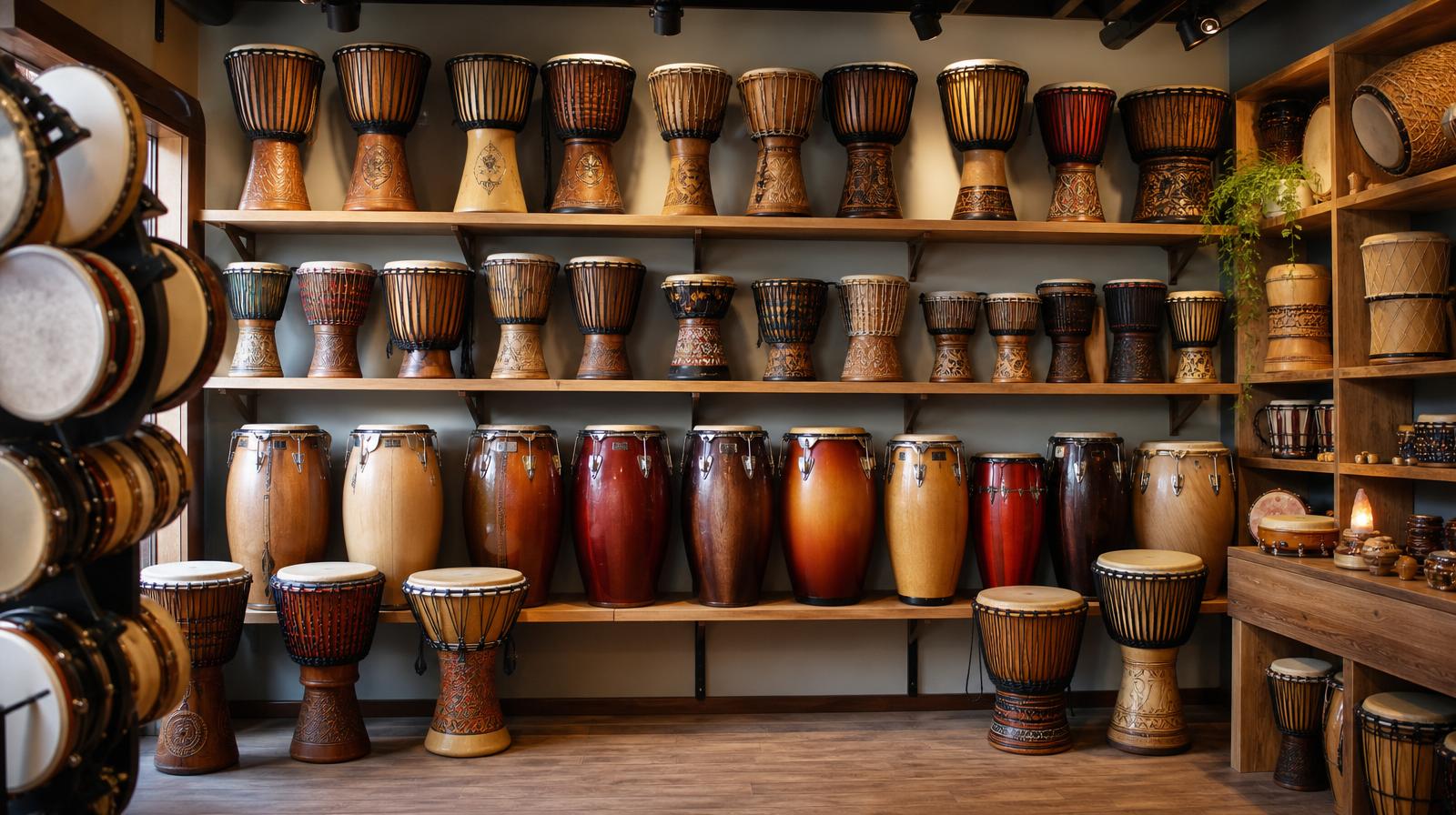
In our increasingly loud and chaotic world, the search for silence often leads us to something even more profound: intentional sound. A sound healing retreat is more than just a vacation; it is a deep immersion into the therapeutic power of vibration, rhythm, and resonance. Whether you are drawn to the deep, grounding thrum of a djembe or the ethereal shimmer of a crystal singing bowl, these gatherings offer a unique path to wellness that bypasses the analytical mind and speaks directly to the body.
At Drum Circle Directory, we have seen firsthand how rhythm acts as a bridge to healing. While many people start their journey in a local community circle, a dedicated retreat allows you to step away from daily stressors and dive into the restorative frequencies of sound therapy.
What is a Sound Healing Retreat?
A sound healing retreat is a curated experience where participants use various instruments and vocal techniques to achieve states of deep relaxation and emotional release. Unlike a standard music festival, the focus here is on the physiological and psychological impact of sound.
During these retreats, you might experience several modalities:
- Sound Baths: Laying down while facilitators play gongs, Himalayan bowls, and chimes.
- Rhythmic Entrainment: Using drums like the djembe or conga to synchronize heart rates and brainwaves.
- Toning and Chanting: Using the human voice to create internal vibration.
- Active Participation: Joining facilitated drum circles to build community and release endorphins.
The Role of the Drum in Sound Therapy
While many associate sound healing primarily with soft bells and bowls, the drum is perhaps the oldest healing tool known to humanity. In a retreat setting, the drum serves as the 'heartbeat.'
Low-frequency instruments like the dunun or large frame drums provide a grounding effect, helping participants feel 'centered' in their bodies. The repetitive nature of a steady beat can induce a theta brainwave state, which is associated with deep meditation and REM sleep. If you are looking to deepen your technical skills while on a journey of self-discovery, you might look for drumming retreats that blend technical instruction with spiritual practice.
What to Expect: A Typical Day of Resonance
Every retreat has its own flavor, but most follow a rhythm that mimics the natural flow of the day.
Morning: Awakening the Senses
Days often begin with gentle movement or 'vocal toning' to clear the throat chakra. You might participate in a sunrise drum circle where the focus is on a simple, steady pulse to greet the day.
Afternoon: Deep Dive Workshops
This is when you might work with specific instruments. You could spend hours learning the nuances of the doumbek or exploring the overtones of a gong. Many retreats also offer classes with drum teachers who specialize in the therapeutic application of rhythm.
Evening: The Sound Bath or Community Fire
Evenings are usually reserved for integration. This could be a passive sound bath where you simply receive the vibrations, or a high-energy community bonfire where the call-and-response of the drums creates a sense of profound belonging.
Benefits of Sound and Rhythm Immersion
The science behind sound healing is growing. Research suggests that rhythmic drumming can increase the production of T-cells (the body’s natural 'killer' cells that fight off viruses), while slow, melodic sound baths can significantly lower cortisol levels.
- Nervous System Regulation: Shifting from 'fight or flight' to 'rest and digest.'
- Emotional Release: Sound can often unlock 'trapped' emotions that talk therapy might miss.
- Community Connection: There is a unique bond formed when people breathe and drum in unison.
- Enhanced Creativity: Clearing mental clutter allows for new ideas to surface.
How to Choose the Right Retreat for You
Not all sound healing retreats are the same. To find the one that resonates with your spirit, consider these factors:
- The Facilitator’s Background: Are they trained in clinical music therapy, or is their approach more shamanic and intuitive?
- The Instrument Focus: If you love hand drumming, ensure there is a strong rhythmic component. If you prefer stillness, look for 'passive' sound healing retreats.
- The Setting: Natural environments—forests, deserts, or coastal areas—enhance the healing process by removing urban noise pollution.
- Skill Level: Some retreats are open to absolute beginners, while others are intensive programs hosted by drum schools for those looking to become facilitators themselves.
Preparing for Your Experience
To get the most out of your sound healing retreat, go in with an open heart and a few practical preparations. Bring comfortable, loose-fitting clothing that allows you to breathe deeply. Many participants find it helpful to bring a journal to record the insights or sensations that arise during a session. Most importantly, leave your expectations at the door. Sound works differently on everyone; some feel a burst of joy, while others find a deep, quiet peace.
If you aren't ready for a full week-long immersion, you can always start by checking out local events in your area to get a taste of what sound healing feels like in a group setting.
Finding Your Rhythm
Whether you are standing in a circle of thirty people hitting a djembe in unison or lying under the resonance of a 40-inch Earth Gong, a sound healing retreat is an invitation to come home to yourself. It is a reminder that we are made of vibration, and that by tuning our internal instruments, we can find harmony in a discordant world.
Find a drum circle near you to begin your rhythmic journey today.
Frequently asked
- Do I need to be a musician to attend a sound healing retreat?
- Not at all. Most sound healing retreats are designed for people of all musical levels, including absolute beginners. The focus is on the vibration and the personal experience rather than technical performance or 'playing it right.'
- What instruments are commonly used in sound healing?
- You will typically encounter a mix of melodic and rhythmic tools. This includes crystal and Himalayan singing bowls, gongs, tuning forks, frame drums, djembes, handpans, and Native American flutes.
- How long do these retreats usually last?
- Retreals can range from a weekend 'taster' (2-3 days) to a full immersion lasting 7 to 10 days. Many people find that a 3-day retreat is perfect for a nervous system reset, while longer stays are better for deep emotional work.
- Is sound healing scientifically proven?
- While more research is needed, several studies have shown that sound therapy and rhythmic drumming can reduce stress, improve sleep quality, and even boost the immune system by lowering cortisol and increasing white blood cell activity.
Find a drum circle near you
Browse hundreds of circles, teachers and rhythm community gatherings.
Explore drum circles