Special Needs Drum Circle: Inclusive Rhythm for Every
Discover how special needs drum circles foster connection, sensory integration, and joy through the power of the beat.
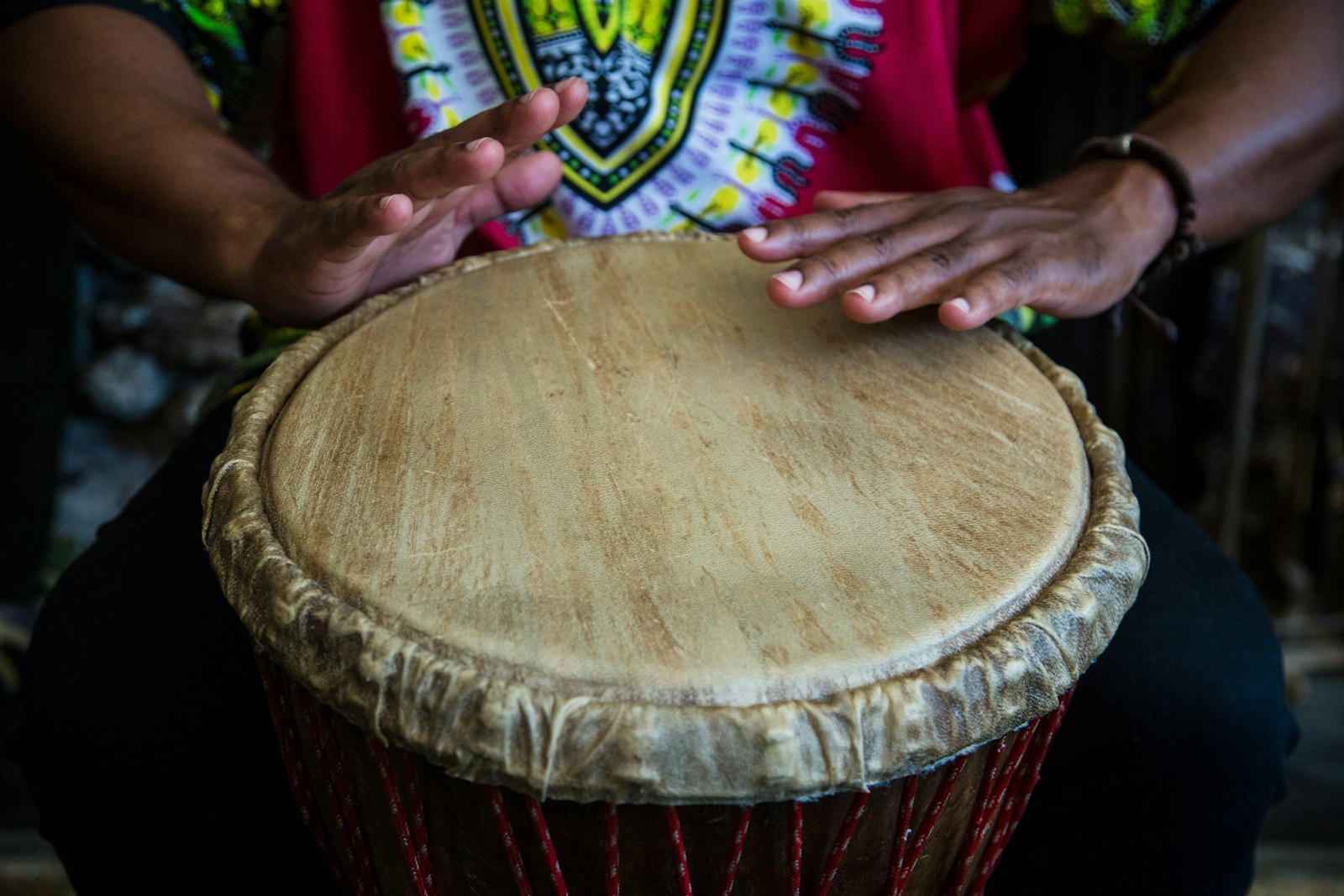
In the heart of a drum circle, every heartbeat counts. Rhythm is the great equalizer, a universal language that transcends verbal communication, physical limitations, and cognitive barriers. For individuals with diverse needs—ranging from autism spectrum disorder and ADHD to physical disabilities and sensory processing challenges—a special needs drum circle offers a safe, vibrant space to express themselves without judgment.
At Drum Circle Directory, we believe that rhythm is a birthright. When we sit in a circle with a djembe or a frame drum, we aren't just making noise; we are building a community where every voice—and every beat—is heard.
The Healing Power of the Beat
Therapeutic drumming has long been recognized for its ability to reduce stress and improve emotional regulation. In the context of a special needs drum circle, the benefits are even more profound. The repetitive, grounding nature of a steady pulse helps to soothe the nervous system, providing a sense of safety and predictability.
For many participants, the tactile experience of striking a drum head provides essential sensory input. Whether it's the deep, resonant bass of a large djembe or the bright, crisp slap of a doumbek, these vibrations help individuals ground themselves in their bodies. This physical connection to sound can be a breakthrough for those who struggle with traditional forms of therapy or social interaction.
Creating an Inclusive Environment
An effective special needs drum circle isn't just about the instruments; it's about the facilitation. Experienced drum teachers who specialize in adaptive percussion understand how to pivot their approach based on the energy and needs of the room.
Key elements of an inclusive circle include:
- Volume Control: Providing earplugs or using softer mallets to accommodate those with auditory sensitivities.
- Accessible Seating: Ensuring there is ample space for wheelchairs and comfortable chairs with back support.
- Visual Cues: Using hand signals or color-coded instruments to help participants follow the rhythm without relying solely on verbal instructions.
- Flexible Participation: Encouraging movement, vocalizing, or simply holding a shaker if striking a drum is too overstimulating.
Instruments for Every Ability
Choosing the right instrument is crucial for success in an adaptive rhythm session. While a heavy conga might be difficult for someone with limited mobility, there are dozens of alternatives that offer rich sound with minimal physical effort.
- Frame Drums: Lightweight and easy to hold, these can be played with hands or soft mallets.
- Djembe: The hourglass shape allows it to be tucked between the knees, making it accessible for seated players.
- Paddle Drums: These look like lollipops and are incredibly easy to grip for those with fine motor challenges.
- Sound Shapes: Flat, colorful percussion tools that produce high-quality tones and are easy to stack and transport.
- Buffalo Drums: Known for their deep, earthy resonance, these are often used in events focused on grounding and relaxation.
Social Connection and Communication
One of the most beautiful aspects of a drum circle is the "call-and-response." A facilitator might play a simple pattern on a dunun, and the group echoes it back. This simple act mirrors the flow of human conversation. For individuals who are non-verbal, this allows them to engage in a sophisticated social exchange.
In these circles, there is no "wrong" note. If a participant beats out of time, it becomes part of the texture of the music. This radical acceptance builds self-esteem and encourages participants to take creative risks they might avoid in other areas of their lives.
Tips for Families and Caregivers
If you are bringing a loved one to their first circle, preparation is key. Start by looking for sessions specifically labeled as "family-friendly" or "adaptive." Many drum schools now offer specialized programs designed for neurodivergent populations.
Before you go, consider these steps:
- Watch a Video: Show your loved one a video of a drum circle so they know what to expect regarding the sound and the crowd.
- Bring Comfort Items: If they have a favorite fidget toy or noise-canceling headphones, bring them along to help manage transitions.
- Participate Together: Your presence can provide a secure base, allowing them to explore the instruments at their own pace.
Finding Your Rhythm Community
The growth of inclusive drumming is a testament to the power of rhythm to heal and unite. From full-moon gatherings to structured therapeutic sessions, there is a place for everyone in the circle. By focusing on what a person can do rather than their limitations, we create a world that is a little more rhythmic and a lot more kind.
Find a drum circle near you and start your rhythmic journey today.
Frequently asked
- What if my child has sensory sensitivities to loud noises?
- Many inclusive drum circles offer high-quality ear protection or use 'soft play' techniques with felt mallets and lower-volume instruments like shakers and frame drums. Facilitators are trained to monitor the room's volume and can create 'quiet zones' within the circle.
- Do we need to bring our own drums to a special needs circle?
- Most organized circles and therapeutic sessions provide a wide variety of instruments. However, if a participant has a specific instrument they are comfortable with, such as a favorite djembe or tambourine, they are usually encouraged to bring it.
- How long do these drumming sessions usually last?
- Special needs drum circles typically run between 30 to 60 minutes. Facilitators often break the session into smaller segments with 'rhythm games' and rest periods to prevent fatigue and maintain engagement.
Find a drum circle near you
Browse hundreds of circles, teachers and rhythm community gatherings.
Explore drum circles