How to Sponsor a Drum Circle: A Guide for Brands and
Discover how sponsoring a drum circle can build community trust, promote wellness, and create an unforgettable rhythmic experience for your brand or organization.
In an increasingly digital world, the primal pull of the drum offers something rare: authentic, face-to-face connection. Whether you are a local business owner looking to give back, a corporate wellness officer, or a non-profit leader, the decision to sponsor a drum circle is an investment in social harmony and mental well-being.
Drum circles are not just about noise; they are about rhythm, listening, and communal synchronicity. When you support these events, you aren't just putting your logo on a banner—you are facilitating a space where people of all ages and backgrounds can find their voice through the skin of a djembe or the resonance of a dunun.
Why Sponsor a Drum Circle?
Sponsoring a rhythmic event offers unique visibility. Unlike traditional sports or seminars where the audience is passive, a drum circle is participatory. Every person holding a shaker or a frame drum is an active part of the experience.
For sponsors, this creates a positive psychological association. You are seen as the enabler of joy, stress relief, and community bonding. The health benefits of group drumming—ranging from reduced cortisol levels to improved immune function—align your brand with wellness and holistic health.
Identifying the Right Type of Circle
Before you commit your resources, it is important to understand the different formats of rhythm gatherings. Each offers a different "vibe" and demographic:
- Community Facilitated Circles: These are led by professional facilitators who guide the group through exercises. They are perfect for family-friendly festivals or corporate team-building.
- Free-Form/Spirit Circles: Often held as full-moon gatherings or beach circles, these are more organic and less structured. Sponsorship here might look like providing permits, lighting, or water stations.
- Educational Workshops: If your goal is youth development, sponsoring a session at local drum schools or after-school programs is highly effective.
- Therapeutic Circles: These take place in hospitals, senior centers, or recovery groups, focusing on the healing power of the beat.
What Does Sponsorship Actually Fund?
When you sponsor a drum circle, your contribution typically covers several logistical pillars that make the event possible and inclusive.
The Facilitator’s Expertise
A professional facilitator is the heart of a successful circle. They manage the energy, teach basic techniques on the congas or doumbek, and ensuring that no one feels left out. Your sponsorship ensures these professionals are paid a fair wage for their specialized skills.
Instrument Rental and Maintenance
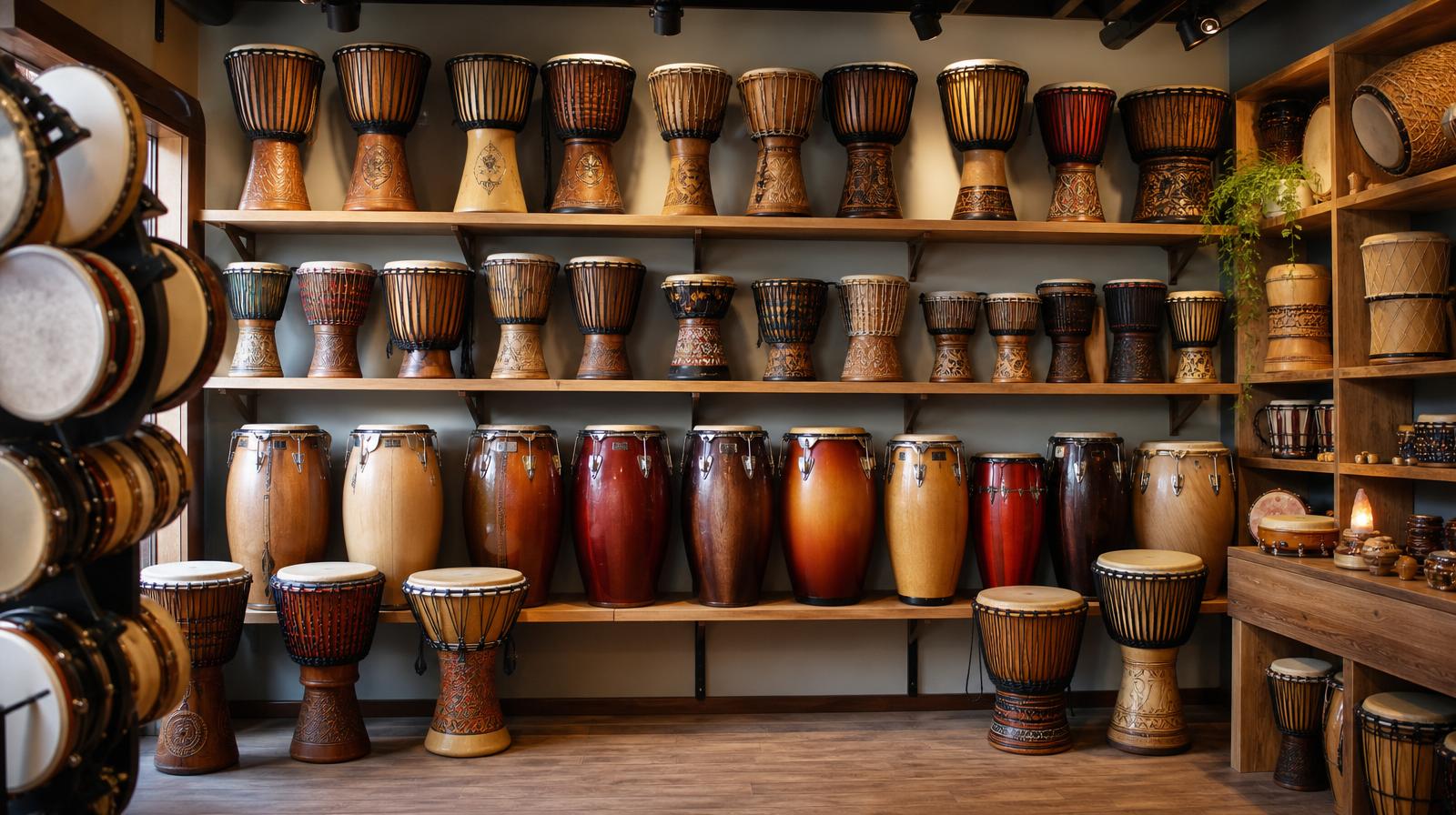
Not everyone owns a drum. To make a circle truly inclusive, a "drum truck" or instrument library is needed. Sponsorship helps cover the transport, tuning, and repair of dozens of djembes, ashikos, and percussion toys like cowbells and woodblocks.
Venue and Permits
Whether it's a city park, a community center, or a private hall, venues often require insurance and permit fees. By covering these costs, you keep the event free or low-cost for the participants.
How to Choose a Facilitator or Organization
To ensure your sponsorship yields the best results, you need to partner with the right people. Look for facilitators who have a track record of inclusivity and safety. You can browse our directory of drum teachers and facilitators to find professionals in your area who specialize in community-building.
Ask potential partners about their "rhythm philosophy." Do they focus on technical mastery, or are they more interested in the social-emotional benefits of the circle? For a sponsored public event, the latter is usually more effective for general engagement.
Marketing and Brand Integration
Sponsoring a drum circle provides several organic ways to showcase your brand without being intrusive:
- Branded Percussion: Small handheld instruments like egg shakers or branded drumsticks make excellent sustainable giveaways.
- The "Rhythm Zone": Create a branded lounge area with water and shade where participants can rest between sets.
- Digital Reach: Most drum circles have a dedicated local following. Your sponsorship can be highlighted in newsletters, social media groups, and on local events calendars.
- Opening Remarks: A brief, 60-second welcome from a company representative can humanize your brand before the first beat drops.
Etiquette for Sponsors
It is vital to remember that a drum circle is a sacred space for many. While you are the sponsor, the focus should remain on the rhythm. Avoid overly loud PA systems for advertising during the drumming. Instead, let the community see your support through your presence. Encourage your employees or team members to sit in the circle and play—there is no better way to show your commitment than by picking up a mallet and joining in.
Measuring the Success of Your Sponsorship
Success in the rhythmic world isn't always measured in immediate sales. Look for:
- Attendance numbers: How many people participated?
- Social engagement: Tags, shares, and videos of the event.
- Community sentiment: Feedback from participants about the accessibility of the event.
- Repeat participation: Does the community ask for the event to return next year?
Sponsoring a drum circle is a long-term investment in the social fabric of your neighborhood. It signals that your organization values harmony, diversity, and the simple, profound act of breathing and beating together.
If you are ready to bring the beat to your community, the first step is finding the right local partners.
Find a drum circle near you and start a conversation with a facilitator today.
Frequently asked
- How much does it typically cost to sponsor a drum circle?
- Costs vary widely depending on the scale. A small community circle might require $300–$500 to cover the facilitator and permits, while a large-scale festival sponsorship with a full instrument trailer and sound support can range from $1,500 to $5,000.
- Do I need to provide the drums if I am sponsoring the event?
- Usually, no. Most professional facilitators or drum schools provide a 'rhythm ensemble' of instruments for participants to use. Your sponsorship fee typically covers the rental and transport of these instruments.
- Can my brand's employees participate in the drum circle?
- Absolutely! In fact, it is highly encouraged. Having your team participate alongside community members breaks down barriers and shows a genuine commitment to the event's spirit of equality and collaboration.
- Is a drum circle appropriate for a corporate setting?
- Yes, drum circles are excellent for corporate wellness and team building. They help improve communication, reduce workplace stress, and foster a sense of unity that carries back into the office environment.
Find a drum circle near you
Browse hundreds of circles, teachers and rhythm community gatherings.
Explore drum circles