Start a Drum Circle Business: The Facilitator's Growth Guide
Turn your passion for rhythm into a professional career by learning how to launch and scale a successful drum circle business.
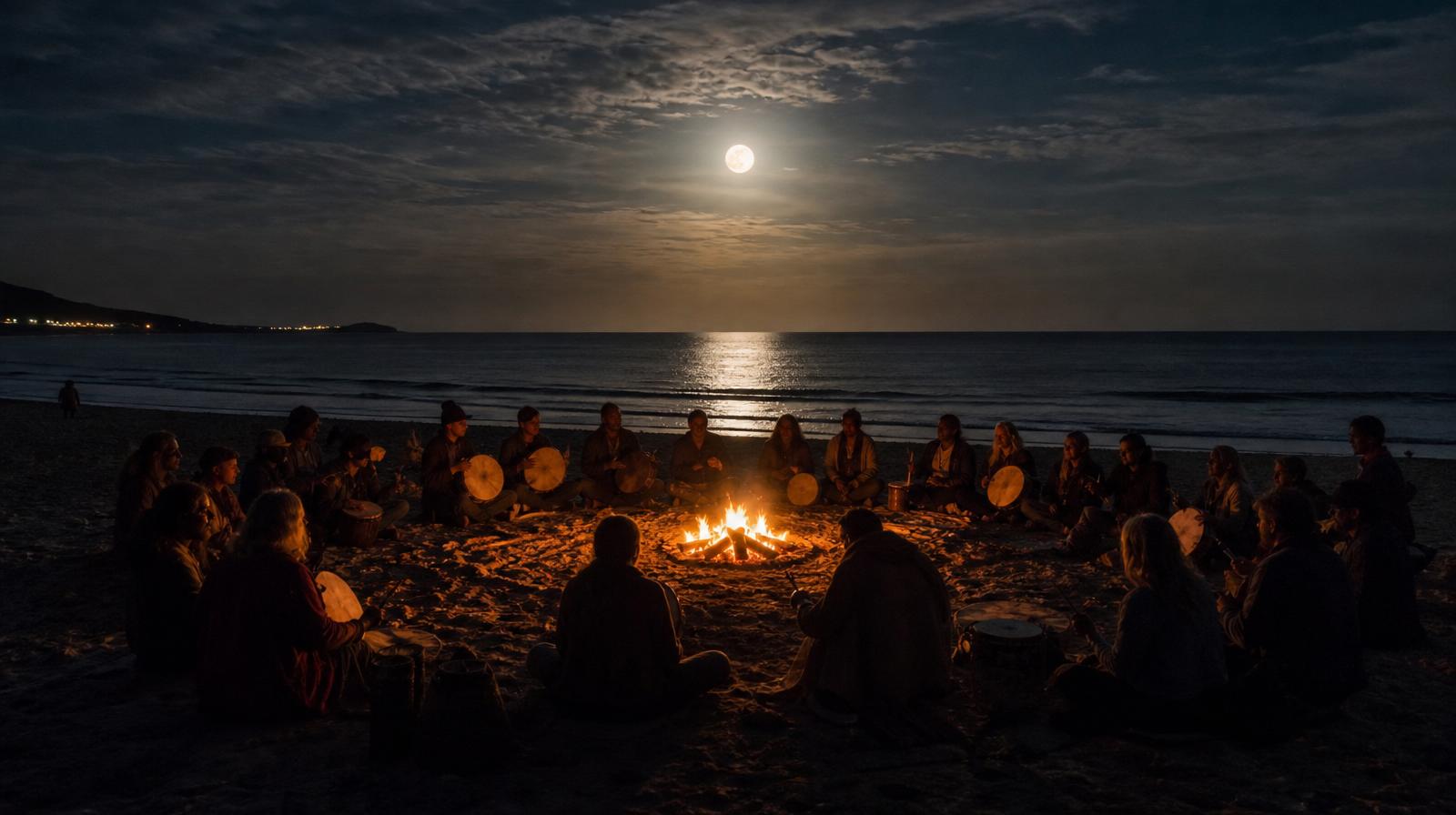
There is a profound moment in every drum circle where the individual beats merge into a singular, pulsing heartbeat. For many, this is a spiritual or recreational hobby. But for a growing number of rhythm leaders, it is the foundation of a rewarding professional path. Starting a drum circle business allows you to combine your musical talent with community leadership, wellness, and education.
Transitioning from a hobbyist to a professional facilitator requires more than just a set of djembes. It requires a business mindset, a clear understanding of your target market, and the ability to guide diverse groups toward a cohesive sound. Whether you want to work with corporate teams, schools, or wellness centers, this guide will show you how to build a sustainable business around the power of the drum.
Defining Your Niche in the Rhythm Industry
A successful drum circle business rarely tries to be everything to everyone. To stand out, you must identify which sectors resonate with your facilitating style. Common niches include:
- Corporate Team Building: Using rhythm to improve communication, collaboration, and morale within professional organizations.
- Health and Wellness: Facilitating circles in hospitals, senior living facilities, or recovery centers to promote healing and stress reduction.
- Education and Schools: Bringing drums into classrooms to teach rhythm, cultural history, and social-emotional learning.
- Community and Festivals: Leading large-scale public events, full-moon gatherings, or family-friendly celebrations.
Most facilitators start by offering services in their local area. As you grow, you might consider listing your services or looking for inspiration among established drum teachers to see how they structure their curricula.
Essential Equipment and Logistics
Your "inventory" is the heartbeat of your business. Unlike a solo performer, a drum circle business owner must provide instruments for 20, 50, or even 100 people at a time.
The Instrument Mix
For a balanced sound, you need a variety of voices. A standard professional kit should include:
- Low End: Large djembes, dununs, or tubanos to provide the "heartbeat."
- Mid-Range: Congas, doumbeks, or mid-sized frame drums.
- High End: Shakers, woodblocks, cowbells, and tambourines to add texture without overpowering the group.
Transportation and Storage
Consider the logistics of moving 30 drums. Many professional facilitators invest in a dedicated trailer or a high-roof van. Durable, stackable nesting drums (like Remo's Versa series) are popular for businesses because they save significant space during transport.
Crafting Your Facilitation Style
In a professional drum circle business, you are not the performer; the group is. Your role is to serve as the "conductor of energy." This involves mastering specific techniques:
- Call-and-Response: Using your drum to lead the group in rhythmic patterns that they mimic back.
- Sculpting the Sound: Using hand signals to bring the volume down to a whisper or build it up to a thunderous crescendo.
- Inclusion: Ensuring that the person who has never touched a drum feels just as successful as the seasoned percussionist.
Many successful business owners attend specialized drumming retreats to hone these leadership skills and network with other professionals in the field.
Marketing and Finding Your Rhythm Clients
How do you find people willing to pay for a drum circle? It starts with visibility.
- Build a Professional Website: Highlight your unique approach, include high-quality photos of happy participants, and list your specific programs.
- Social Proof: Collect testimonials from past clients. A video of a corporate team laughing and drumming together is your best sales tool.
- Local Networking: Join your local Chamber of Commerce. Many business owners are looking for unique "ice-breaker" activities for their annual retreats.
- Directory Listings: Ensure you are visible where people are looking for rhythm. Adding your business to a local drum circle directory helps potential clients find you when they search for facilitators in their zip code.
Pricing and Professionalism
One of the hardest parts of running a drum circle business is knowing what to charge. Pricing usually depends on the venue, the number of participants, and the duration of the event.
- Corporate Gigs: These typically command the highest fees, often ranging from $500 to $2,500+ per session, as they require high-level facilitation and liability insurance.
- Non-Profit/Community: These may be lower-priced or flat-rate, but they are excellent for building your reputation and "word-of-mouth" referrals.
- Ongoing Classes: Many facilitators supplement their income by partnering with drum schools to offer weekly beginner workshops.
Always use professional contracts that outline your setup time, cancellation policies, and equipment damage fees.
Navigating Legalities and Insurance
To run a legitimate business, you must protect yourself.
- Liability Insurance: This is non-negotiable. If a participant trips over a drum or develops a repetitive strain injury, you need coverage. Many venues will not hire you without a certificate of insurance.
- Business Structure: Consult with a professional to decide if you should operate as a Sole Proprietorship or an LLC.
- Background Checks: If you plan to work in schools or with vulnerable populations, keep an up-to-date background check on file.
Scaling Your Business
Once you have mastered the local scene, think about growth. Can you train other facilitators to lead circles under your brand? Can you pivot into selling rhythm-based curriculum or hosting your own events? Scaling is about moving from being a "one-man-band" to a rhythm service provider.
By focusing on the transformative power of the beat and maintaining professional business standards, you can create a career that not only sustains you financially but also heals and connects your community.
Find a drum circle near you at /drum-circles.
Frequently asked
- How much does it cost to start a drum circle business?
- Initial costs can range from $2,000 to $10,000 depending on the quality and quantity of instruments you purchase. You must also factor in costs for a transport vehicle, liability insurance, and basic marketing materials like a website.
- Do I need to be a master percussionist to facilitate a drum circle?
- While you need a solid sense of rhythm, facilitation is more about leadership and group dynamics than technical virtuosity. Many successful facilitators focus on 'rhythm empowerment' rather than complex musical performance.
- What kind of insurance does a drum circle facilitator need?
- General liability insurance is essential to cover potential injuries to participants or damage to the venue. Some facilitators also carry professional liability insurance if they are providing therapeutic or educational services.
- Where can I find clients for my new business?
- Common clients include corporate HR departments for team building, wellness directors at senior living centers, school enrichment coordinators, and event planners for festivals or private parties.
Find a drum circle near you
Browse hundreds of circles, teachers and rhythm community gatherings.
Explore drum circles